Fresh Fruit Smoothie Combinations: Nutritious Recipes for Every Palate
Beverage
|
March 4, 2026
Learning to make Fruit Smoothie Combinations at home is one of the most satisfying culinary projects you can undertake. The process connects you to centuries of tradition while giving you room to develop your own style. Each attempt teaches you something new about ingredients, timing, and technique, building confidence with every batch.
The Liquid Foundation
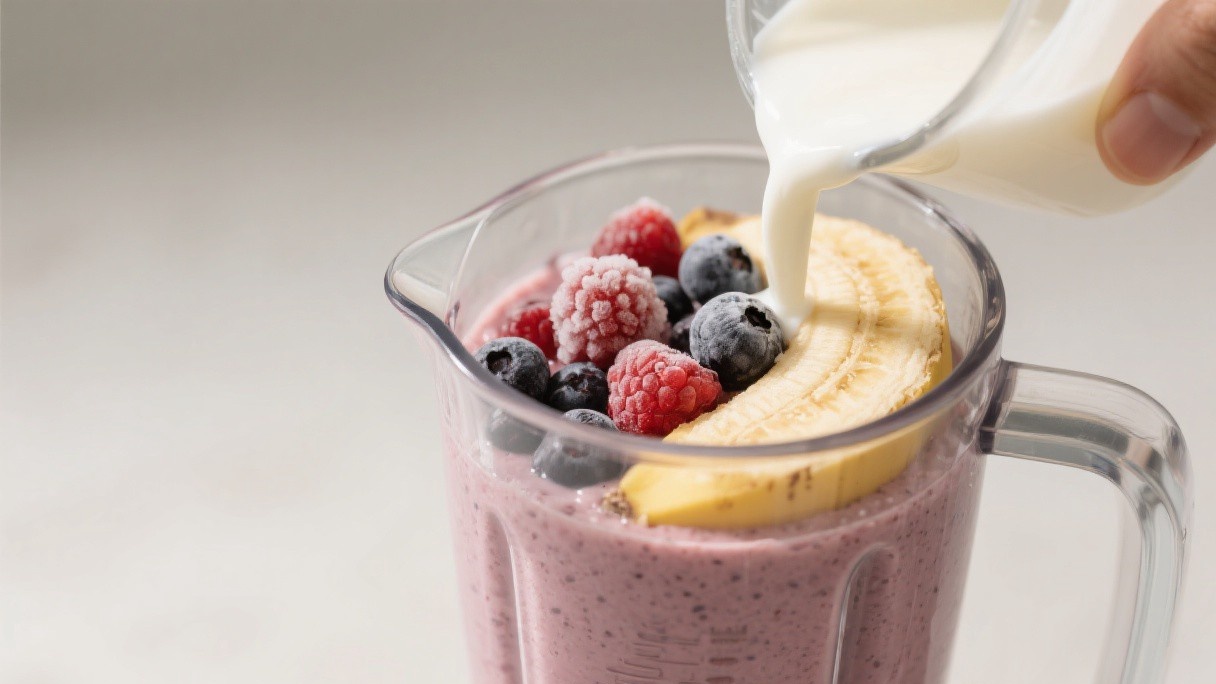
Liquid determines your smoothie's consistency. Milk (dairy or plant-based) adds creaminess and protein. Coconut water keeps it light and adds electrolytes. Juice concentrates flavors but adds sugar. Start with 1/2 to 1 cup of liquid per two cups of frozen fruit, adjusting based on desired thickness. Remember: frozen fruit needs less liquid than fresh.
Understanding Fruit Categories
Fruits fall into two categories that affect your smoothie. Base fruits (banana, mango, berries) provide body and bulk. Acid fruits (citrus, pineapple) add brightness and tang. Tropical fruits (mango, papaya) contribute exotic flavor and enzymes. The best smoothies balance categories: typically one base, one accent, and one boosting ingredient.
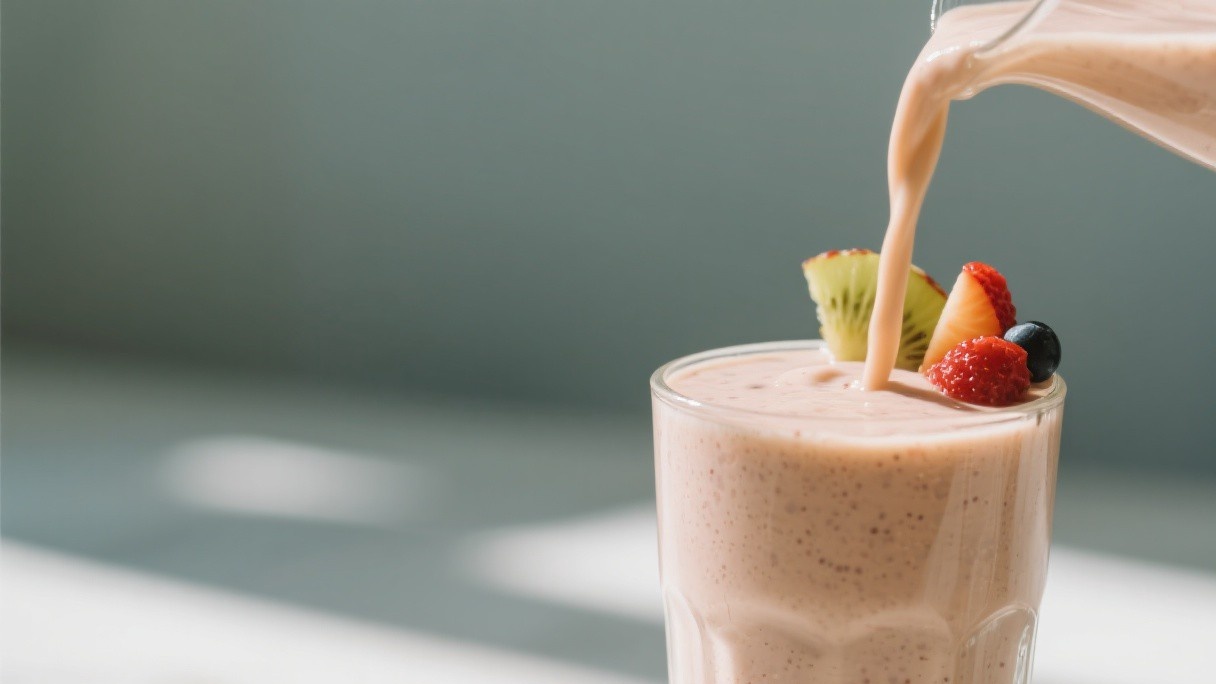
📷 Colorful fruit smoothie
The Frozen Fruit Advantage
Always use frozen fruit for texture and convenience. Frozen bananas create creamy milkshake-like thickness. Frozen berries prevent a watery smoothie and require no ice. Stock up when fruit is on sale, peel and slice bananas, and freeze in portions for instant smoothie making.
Adding Nutrition Boosters
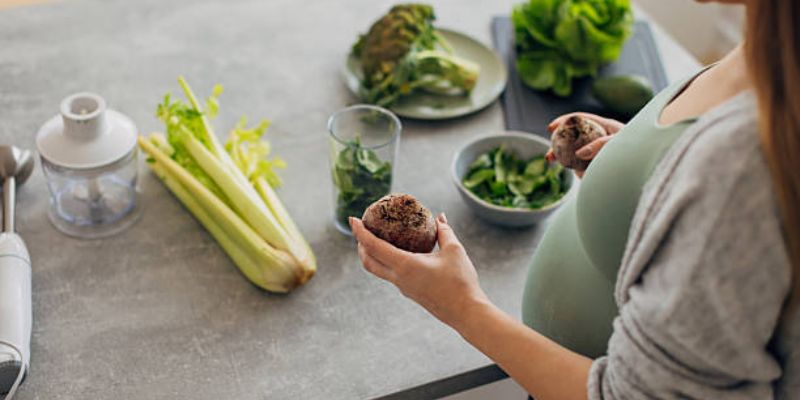
Transform a simple fruit smoothie into a meal replacement with strategic additions. Protein powder (1 scoop) makes it satisfying. Nut butter (1 tablespoon) adds healthy fats and richness. Chia or flax seeds contribute omega-3s and fiber. Spinach or kale adds nutrients invisibly—your taste buds won't notice, but your body will thank.
📷 Smoothie preparation ingredients
The perfect smoothie balances flavor, texture, and nutrition in a form that's quick to prepare and pleasant to drink. Start with the fundamentals, then experiment freely. Once you understand the principles, you'll never need a recipe again.
Nutrition Goals
I started tracking what went into my smoothies, balancing macronutrients for sustained energy. Protein powder, healthy fats from avocado, fiber from chia seeds—each ingredient serves a purpose. My morning smoothie now fuels me for hours, not just minutes.
Texture Preferences
I discovered I prefer thicker smoothies, almost spoonable. Frozen bananas became my secret weapon, adding creaminess without dairy. The right texture makes a smoothie satisfying, not just a drink but a meal replacement.
Building a Balanced Smoothie
A truly satisfying smoothie requires balance across five elements: a liquid base, fruit for sweetness, vegetables for nutrition, protein for satiety, and healthy fats for creaminess. I start with almond milk or coconut water as the base, then add frozen banana for natural sweetness and texture. A handful of spinach disappears into the blend without affecting flavor.
Greek yogurt or a scoop of protein powder provides lasting energy, while a tablespoon of almond butter or half an avocado creates a velvety, luxurious mouthfeel.
Seasonal Ingredient Combinations
Adjusting smoothie ingredients with the seasons keeps the routine exciting and takes advantage of peak freshness. In spring, I blend strawberries, rhubarb, and a dollop of Greek yogurt for a bright, tangy drink. Summer calls for watermelon, mint, and lime for ultimate refreshment. Autumn smoothies shine with pumpkin puree, cinnamon, and a drizzle of maple syrup. Winter is perfect for combining frozen cranberries, orange segments, and a pinch of cardamom.
Frozen fruits work beautifully year-round and often provide better texture than fresh.
Superfood Additions for Extra Nutrition
Smoothies provide an ideal vehicle for incorporating nutrient-dense superfoods that might otherwise be difficult to include in a daily diet. A tablespoon of chia seeds adds omega-3 fatty acids, fiber, and protein while thickening the smoothie naturally. Spirulina, a blue-green algae, provides complete protein and a range of vitamins, though its strong flavor requires balancing with sweet fruits. Hemp hearts add protein and a pleasant nutty flavor without overpowering the blend.
Turmeric, combined with a pinch of black pepper for absorption, adds anti-inflammatory benefits. These additions transform a simple smoothie into a powerful nutritional tool.
Equipment for Better Smoothies
The quality of a smoothie depends heavily on the equipment used to make it. A high-speed blender like a Vitamix or Blendtec processes even tough ingredients like kale stems and frozen fruit into a silky-smooth consistency that cheaper blenders cannot match. For those without a high-speed blender, thawing frozen ingredients slightly and adding liquid first helps achieve smoother results. A blender with a tamper tool is invaluable for pushing ingredients into the blades without stopping the machine.
Investing in quality equipment makes the difference between a smoothie that is genuinely enjoyable and one that is merely tolerable.
Smoothie Prep and Batch Planning
Preparing smoothie ingredients in advance makes it easy to enjoy a nutritious breakfast even on the busiest mornings. Freezing individual smoothie packs in zip-lock bags, each containing pre-measured fruits, vegetables, and any powders, allows for quick assembly by simply dumping the contents into the blender and adding liquid. Labeling each bag with the date and required liquid ensures consistency. Preparing a week's worth of smoothie packs on Sunday takes approximately thirty minutes and eliminates decision fatigue during the week.
This batch approach makes healthy smoothie consumption a sustainable daily habit rather than an occasional treat.
Practice builds confidence faster than any amount of reading. Keep a notebook of what works and what needs adjustment, and do not be afraid to deviate from the recipe once you understand the basics. The best cooks are those who learn from every batch, successful or not.