Recipe
March 20, 2026
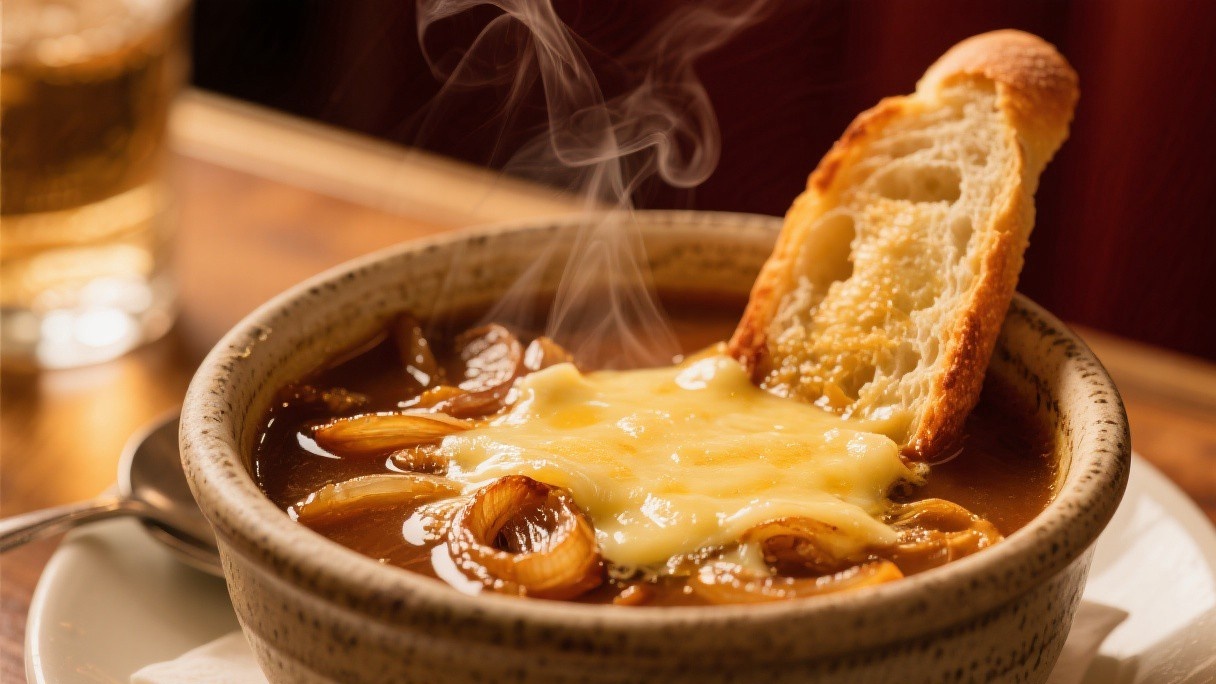
The Deep, Sweet Alchemy of Authentic French Onion Soup
Discover the complete process of authentic french onion soup with this in-depth guide covering essential techniques, key ingredients, and professional secrets. Key topics covered include the onion selection, the art of caramelization, deglazing secrets, the cheese crown. The Onion Selection Yellow onions are traditional, but mixing varieties creates more complex flavor. Each contributes different sugar levels and flavor compounds that meld into something greater than the sum of their parts. True caramelization takes 45-60 minutes of gentle stirring over medium-low heat. The Cheese Crown Gruyère is non-negotiable for authentic French onion soup. Its nutty flavor and excellent melting properties create that iconic cheese pull. Toast the bread separately until crisp, then broil with cheese until bubbly and browned. The contrast between the molten cheese and savory broth is what makes this soup unforgettable. Each spoonful should capture the sweet depth of the onions, the richness of the broth, and the gooey perfection of the cheese crown.
Read Details
March 20, 2026
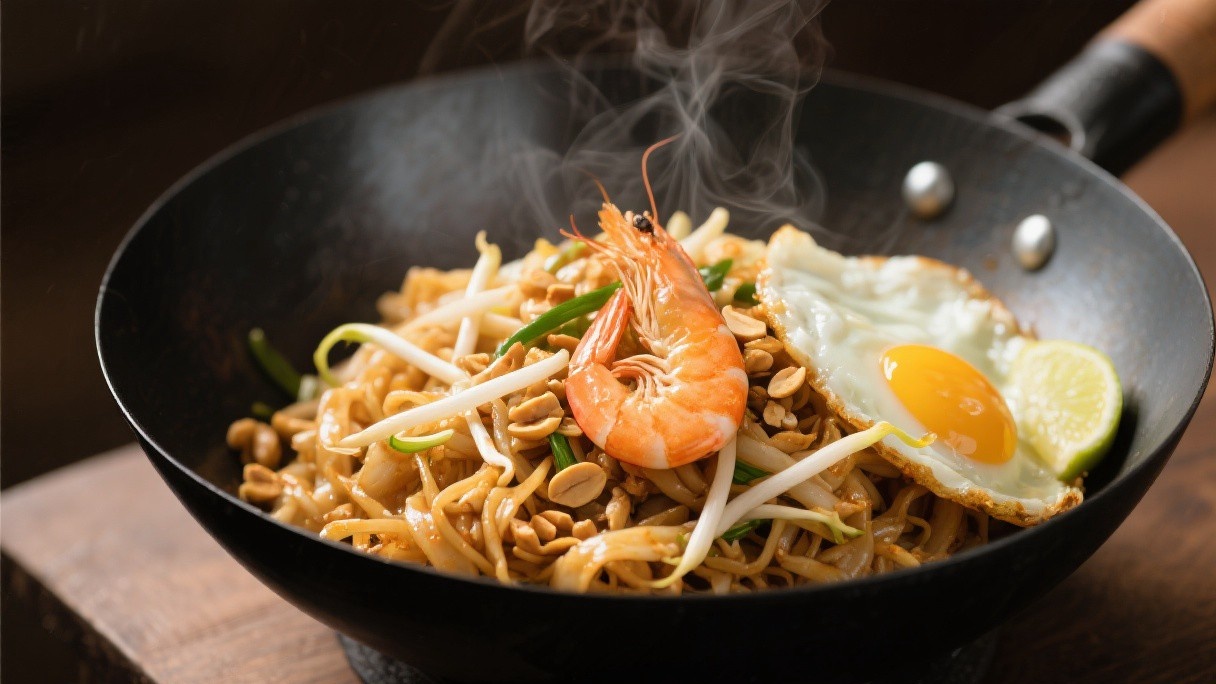
Thai Pad Thai: Balancing Sweet, Sour, Salty, and Umami
Master the art of authentic Pad Thai, Thailand's beloved noodle dish that balances sweet, sour, salty, and umami flavors in perfect harmony. This detailed guide covers every component of traditional Pad Thai, from selecting and preparing rice noodles to creating the essential tamarind-based sauce. Learn the proper technique for achieving wok char without overcooking, and understand the critical timing for adding each ingredient. The article examines the role of palm sugar, fish sauce, and tamarind paste in creating that distinctive sweet-sour-salty profile, plus how dried shrimp and preserved radish contribute umami depth. Discover the importance of high heat, proper wok seasoning, and quick cooking movements. Whether you prefer chicken, shrimp, or tofu, understanding these fundamental techniques will help you create restaurant-quality Pad Thai at home with perfectly balanced Thai flavors.
Read Details
March 19, 2026
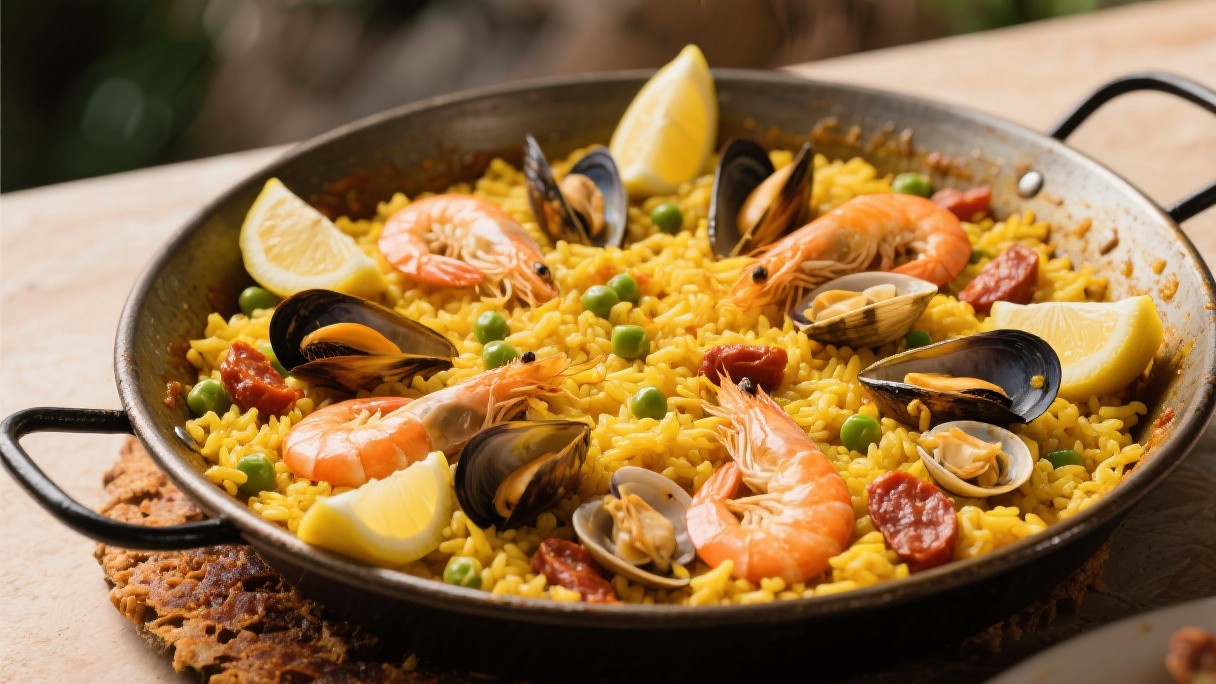
Spanish Paella: The Socarrat and Saffron Rice Technique
Learn how to master spanish paella with step-by-step instructions designed for home cooks seeking restaurant-quality results. Key topics covered include selecting the right rice and saffron, building the sofrito and browning the protein, the liquid ratio and cooking without stirring, achieving the socarrat. Unlike Arborio or other short-grain risotto rices, Bomba expands in width rather than length as it cooks, and it can absorb up to three times its volume in liquid while maintaining a firm, separate grain. Saffron is the defining spice, and I use about 0.5 grams, which is roughly 15 to 20 threads. I toast the threads briefly in a dry skillet for 30 seconds, then crumble them and steep them in 2 tablespoons of warm water for 10 minutes.
Read Details
March 18, 2026
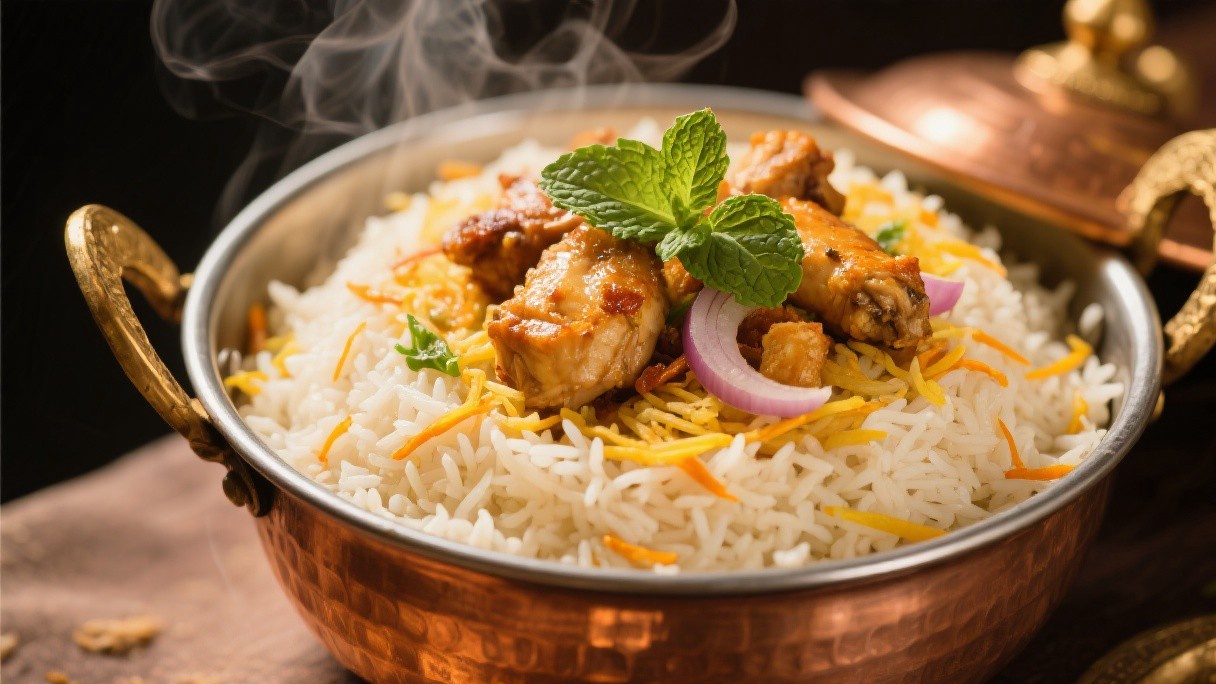
Indian Biryani: Layered Rice and Aromatic Spice Infusion
This comprehensive guide explores indian biryani, providing detailed instructions and expert techniques for achieving professional-quality results at home. Key topics covered include choosing and preparing basmati rice, marinating the protein, building the layers, the dum cooking technique. Choosing and Preparing Basmati Rice The quality of the rice is the single most important variable in biryani. I use aged basmati rice that has been stored for at least one year, which produces longer, more separate grains after cooking. Before anything else, I wash 500 grams of rice in three changes of cold water until the runoff is clear, then soak it for 30 minutes. The marinade consists of 200 grams of thick plain yogurt, 2 tablespoons of ginger-garlic paste, 1 teaspoon of turmeric, 1.5 teaspoons of Kashmiri chili powder, 1 teaspoon of garam masala, and 1.5 teaspoons of salt. The yogurt tenderizes the meat through its acidity while the spices penetrate the surface.
Read Details
March 14, 2026
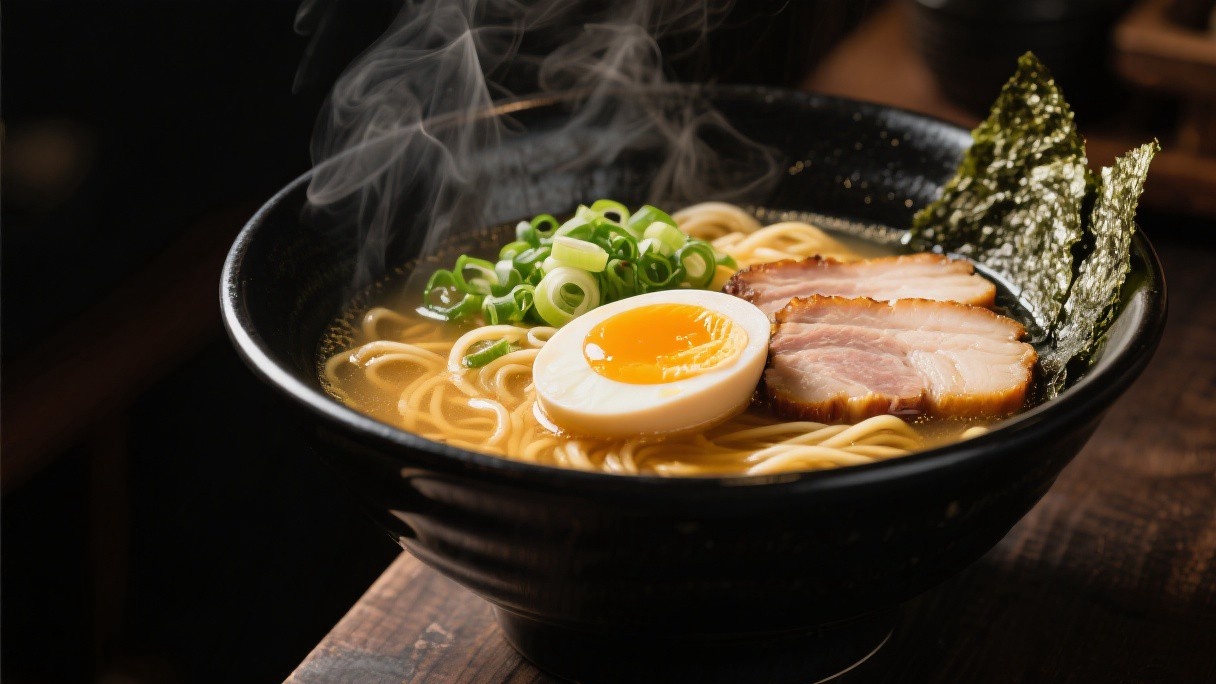
The Soul of Ramen: Building Japanese Broth from the Bones Up
Master the art of ramen with this comprehensive guide featuring expert tips, essential techniques, and practical advice. Key topics covered include the foundation: bones, the long simmer, aroma oil and tare, noodle selection. The Foundation: Bones For tonkotsu broth, pork bones are essential—specifically femurs and trotters for their high collagen content. The collagen breaks down into gelatin, giving the broth its characteristic body and that lip-smacking richness. Blanch the bones first to remove blood and impurities that would cloud the broth. Tare is the seasoning base—soy sauce, mirin, sake, and various aromatics—that provides the salt and umami backbone. Noodle Selection Fresh ramen noodles are ideal, but high-quality dried noodles work well too. Cook them separately in fresh water, not the broth, to prevent starch from clouding your carefully crafted soup. The noodles should be slightly underdone when added to the hot broth, as they'll continue cooking.
Read Details
March 14, 2026
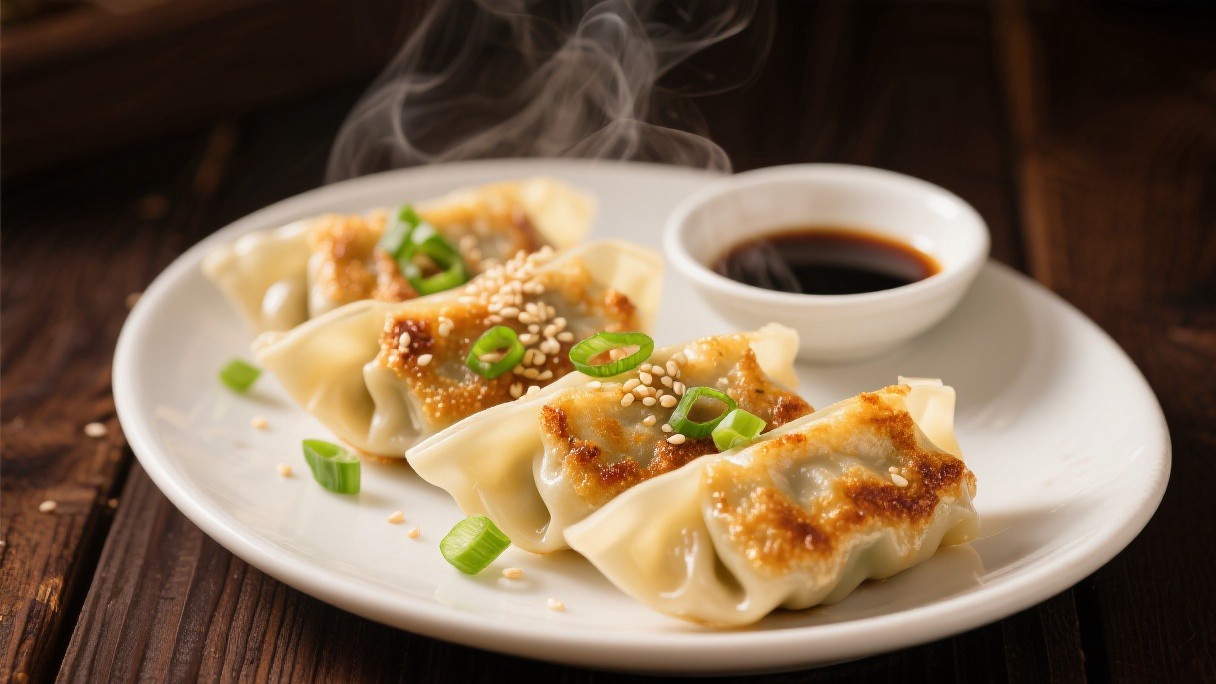
Japanese Gyoza: Folding Techniques and Dipping Sauce Harmony
This detailed article walks you through japanese gyoza, from fundamental principles to advanced techniques used by professionals. Key topics covered include building the filling with proper fat ratio, wrapper selection and moisture control, mastering the pleat fold, the pan-fry and steam method. Building the Filling with Proper Fat Ratio The filling is where gyoza either succeeds or fails. I use ground pork with a fat content of roughly 30 percent, which provides richness without becoming greasy. For every 500 grams of pork, I add 200 grams of finely chopped napa cabbage that has been salted for 15 minutes and squeezed thoroughly to remove excess moisture. The critical detail is keeping them covered with a damp towel at all times during the folding process. Once a wrapper dries out, it will not seal properly and will crack along the pleats during cooking.
Read Details
March 13, 2026
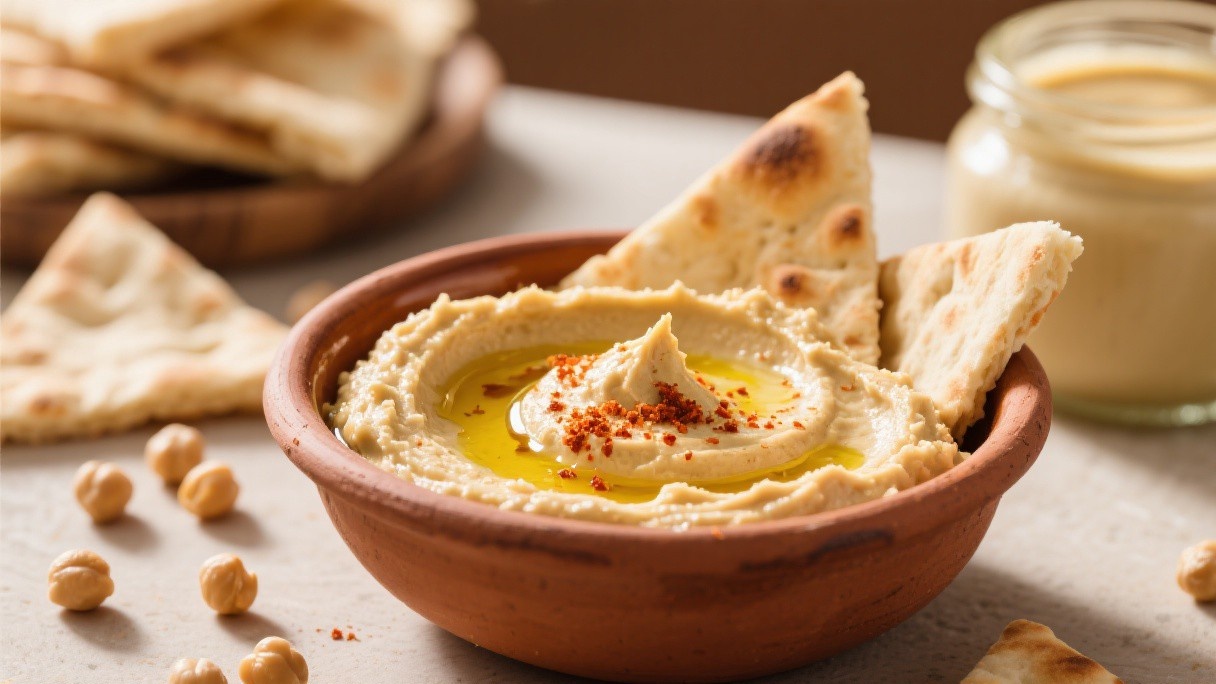
Beyond Basic: Exploring the Diverse World of Authentic Hummus
Explore the authentic hummus traditions from across the Middle East, discovering regional variations that go far beyond basic chickpea spreads. This comprehensive guide examines the essential components that make authentic hummus exceptional: properly soaked and cooked chickpeas, high-quality tahini, fresh lemon juice, and aromatic garlic. Learn the traditional preparation methods that create impossibly smooth texture, including the crucial step of removing chickpea skins. The article covers regional styles from Lebanese to Israeli to Egyptian, each with distinct characteristics and serving traditions. Discover how factors like tahini-to-chickpea ratio, olive oil quality, and topping choices affect the final result. Whether you prefer classic plain hummus or variations with roasted red pepper, pine nuts, or spiced meat, understanding these fundamentals will transform your homemade hummus into an authentic Middle Eastern delicacy.
Read Details
March 13, 2026
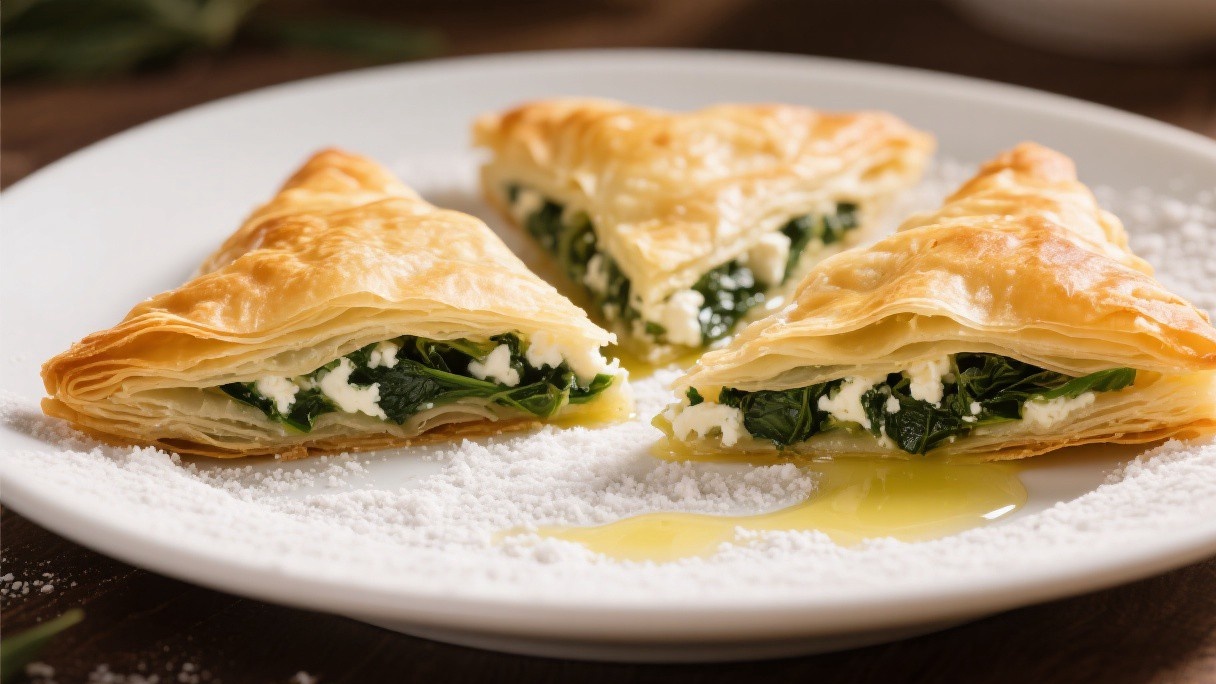
Greek Spanakopita: Flaky Phyllo with Spinach and Feta Filling
Master the art of greek spanakopita with this comprehensive guide featuring expert tips, essential techniques, and practical advice. Key topics covered include preparing the spinach and herb filling, handling phyllo dough without drying, layering the base and adding the filling, baking temperature and timing. Preparing the Spinach and Herb Filling I use 1 kilogram of fresh spinach that has been washed, stemmed, and chopped coarsely. The spinach goes into a large pot over medium-high heat with just the water clinging to its leaves from washing. I cook it for 3 to 4 minutes, turning frequently, until it has completely wilted. I keep the unused sheets covered with a damp kitchen towel at all times while working. I also cover my work surface with a dry towel and place a sheet of plastic wrap over that, which provides a slightly non-stick surface.
Read Details
March 12, 2026
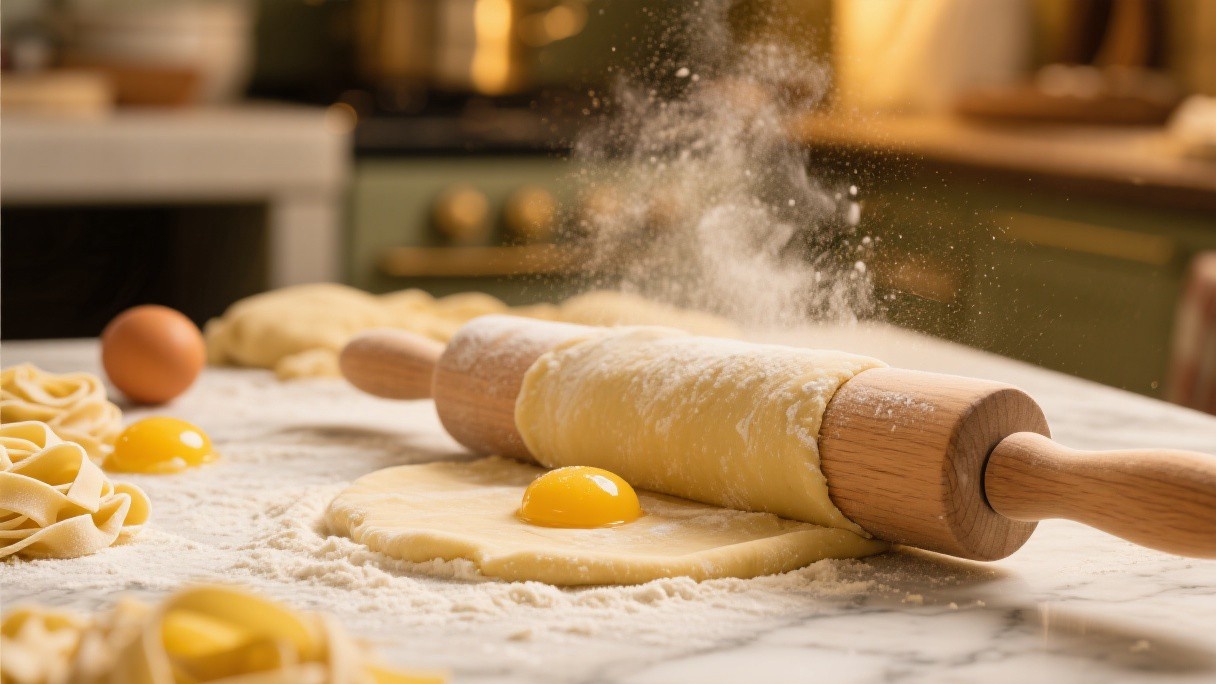
From Flour to Fork: Crafting Silky Fresh Pasta in Your Kitchen
This comprehensive guide explores flour to fork, providing detailed instructions and expert techniques for achieving professional-quality results at home. Key topics covered include getting dough ratio right, kneading technique, the resting period, rolling and shaping. Getting Dough Ratio Right The classic ratio for fresh egg pasta is 100 grams of flour to 1 large egg per person. Start with Italian 00 flour for the silkiest texture, though all-purpose flour works well too. Kneading Technique Proper kneading develops gluten, giving pasta its characteristic chew. Wrapped in plastic and left at room temperature for 30 minutes (or refrigerated for up to 24 hours), the gluten relaxes, making the dough easier to roll thin. This resting period also allows the flour to fully hydrate, resulting in a more tender pasta. Rolling and Shaping Whether using a pasta machine or rolling pin, work with small portions and keep the rest covered.
Read Details
March 10, 2026
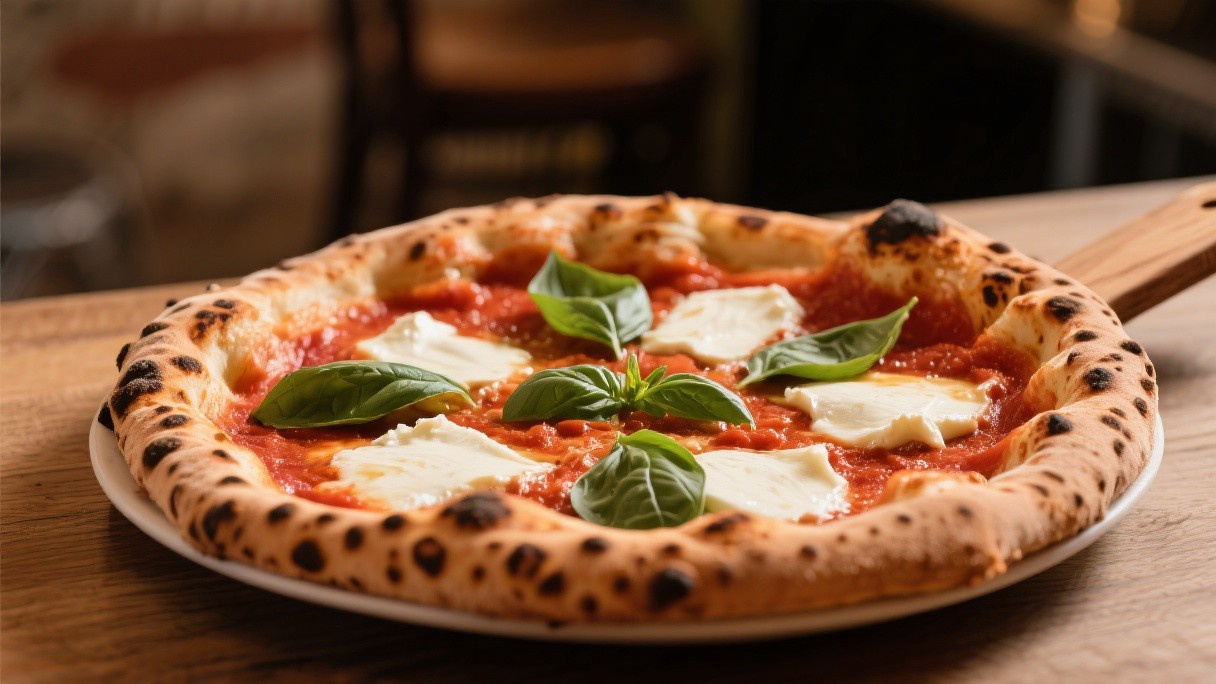
Neapolitan-Style Pizza Dough: Achieving Pizzeria Quality at Home
Discover the complete process of neapolitan-style pizza dough with this in-depth guide covering essential techniques, key ingredients, and professional secrets. Key topics covered include hydration matters, the long cold ferment, shaping technique, high heat is essential. Hydration Matters Neapolitan pizza dough typically uses 60-65% hydration (water relative to flour weight). Higher hydration creates a more open crumb structure but makes the dough trickier to handle. For beginners, start at 60% and work your way up as you develop your stretching technique. High Heat is Essential True Neapolitan pizza bakes at 900°F+ in 60-90 seconds. A pizza steel or stone preheated for at least an hour conducts heat efficiently. Use the broiler during the last minute to achieve those characteristic leopard spots on the crust. San Marzano tomatoes, fresh mozzarella, basil, and good olive oil let the crust remain the star.
Read Details
March 8, 2026
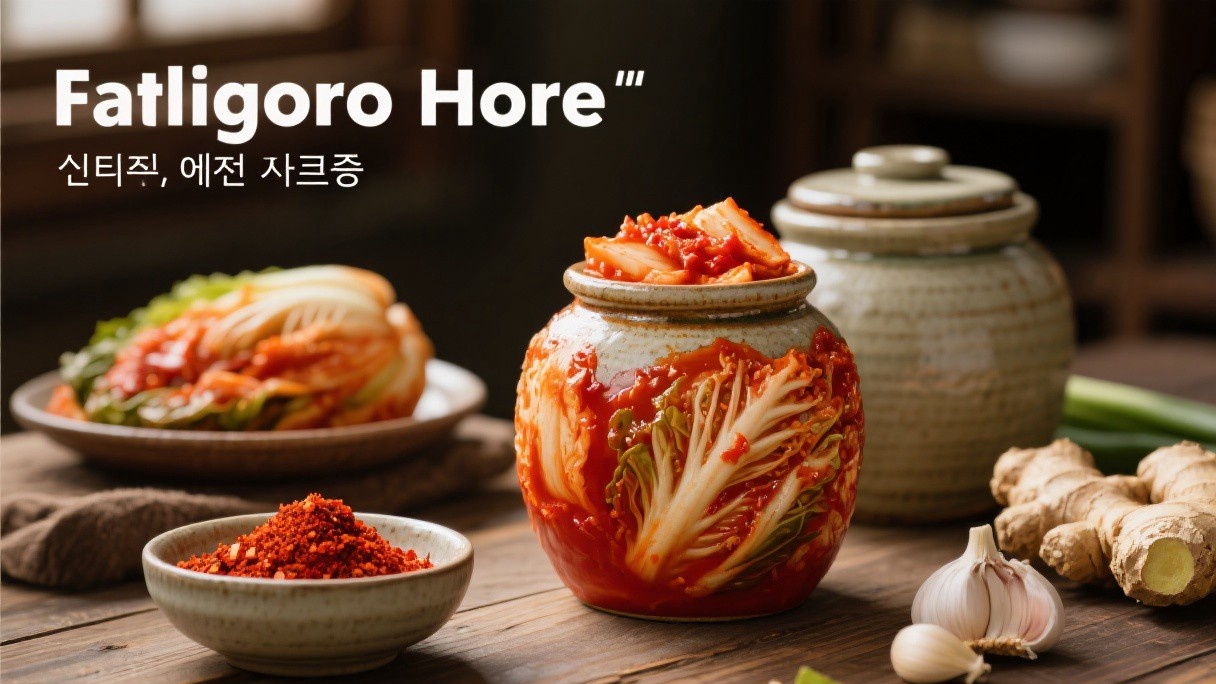
The Fermentation Journey: Crafting Authentic Korean Kimchi at Home
This detailed article walks you through , from fundamental principles to advanced techniques used by professionals. Key topics covered include salt concentration and temperature, the salting process, making the paste, fermentation and timing. Napa cabbage is traditional, but Korean radish (daikon), cucumbers, and even eggplant each have their place in the kimchi canon. The seasoning paste—called kochujang-gook—varies by region and family, but typically includes gochugaru (Korean chili flakes), garlic, ginger, and fish sauce. The Salting Process Proper salting is crucial. Adjust gochugaru for heat level—more for spicy lovers, less for subtle warmth. Each family claims their paste ratio is the one true way, but the best approach is to develop your own signature version. Fermentation and Timing After packing the paste between leaves, kimchi needs time to ferment. Traditional kimchi eaten within weeks is tangy and fresh; older kimchi develops deeper, more complex flavors prized for cooking.
Read Details
March 8, 2026
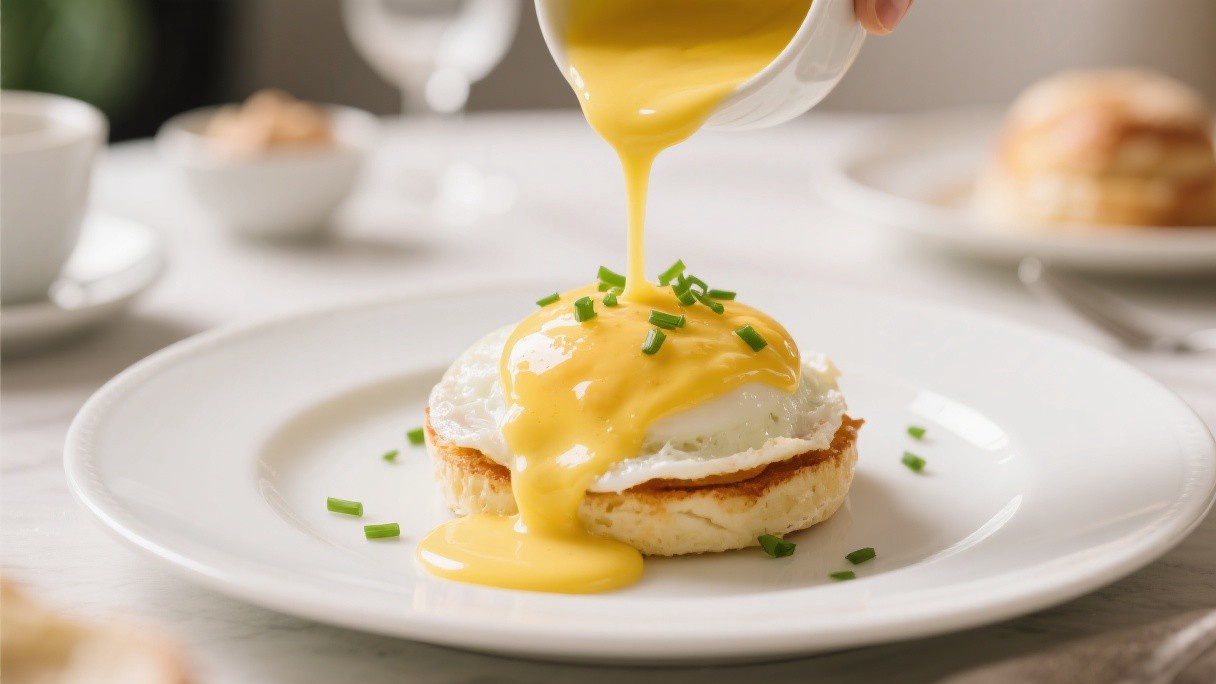
Silken Perfection: Mastering the Delicate Art of Hollandaise Sauce
Discover the complete process of with this in-depth guide covering essential techniques, key ingredients, and professional secrets. Key topics covered include the emulsion science, clarified butter is essential, the temperature sweet spot, troubleshooting common issues. The lecithin in egg yolks acts as an emulsifier, allowing these two normally incompatible liquids to combine. Adding the butter slowly is essential while maintaining the right temperature—too hot and the eggs scramble, too cold and the butter solidifies. Clarified Butter is Essential Clarifying butter removes the milk solids and water, leaving pure butterfat that creates a more stable emulsion. Troubleshooting Common Issues If your hollandaise breaks, don't panic. Whisk another yolk in a clean bowl and slowly drizzle in the broken sauce—this often rescues it. Prevention is easier: keep everything at room temperature except the butter, add it drop by drop initially, and never rush the process.
Read Details
March 8, 2026
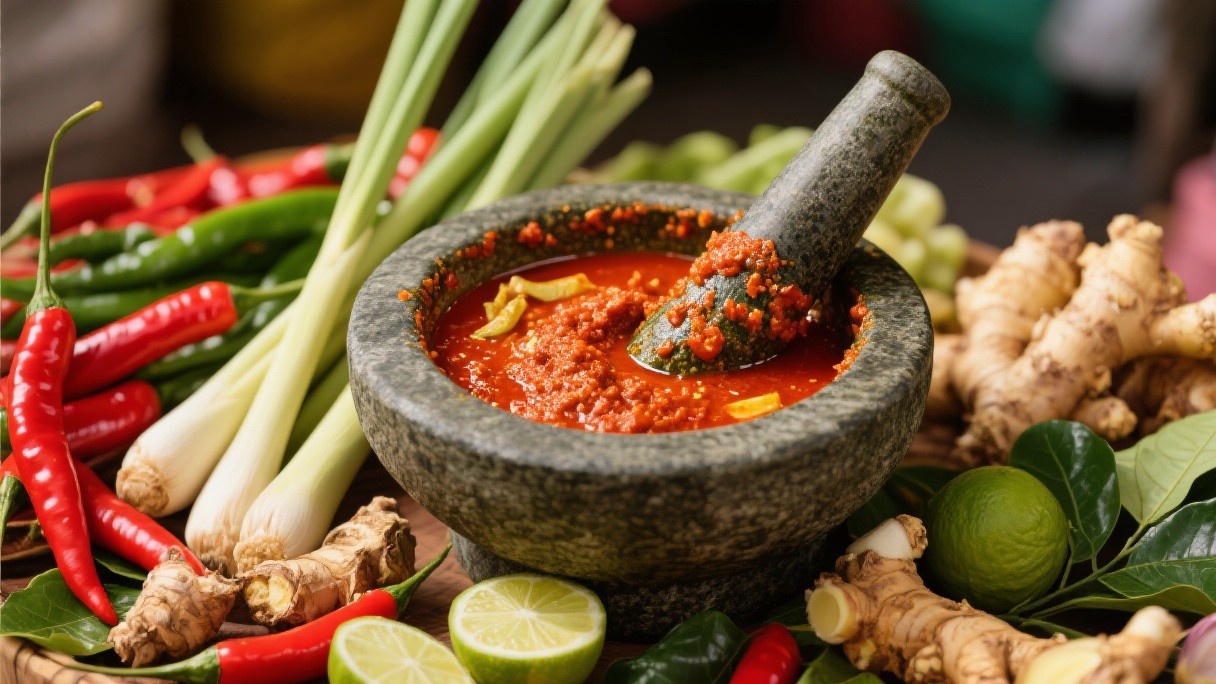
From Market to Mortar: Crafting Authentic Thai Curry Paste at Home
Master the art of market to mortar with this comprehensive guide featuring expert tips, essential techniques, and practical advice. Key topics covered include sourcing authentic ingredients, the pounding technique, balancing the flavors, storage and usage. The Pounding Technique A granite mortar and pestle is traditional for a reason—the rough surface helps break down fibrous ingredients. Work from hardest to softest: start with dried spices, then add galangal and lemongrass, followed by shallots and garlic, and finally fresh chilies and herbs. A good curry paste should have heat from chilies, brightness from lemongrass and lime, depth from shrimp paste, and sweetness from palm sugar. There's no single "right" formula; preferences vary by region and individual cook. Storage and Usage Fresh curry paste keeps for about a week refrigerated or several months frozen. When cooking, fry the paste in coconut cream (the thick part from the top of the can) until fragrant and the oil separates.
Read Details
March 8, 2026
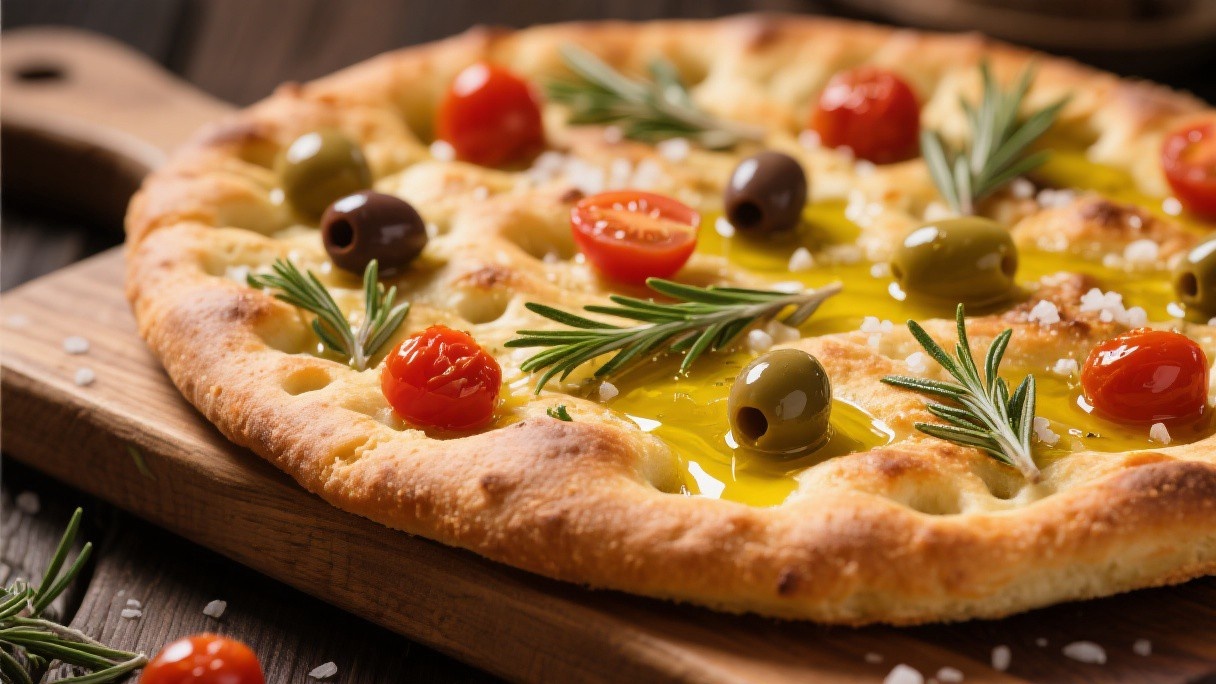
Italian Focaccia: Herb-Infused Flatbread with Olive Oil Brilliance
Learn how to master italian focaccia with step-by-step instructions designed for home cooks seeking restaurant-quality results. Key topics covered include high-hydration dough for an open crumb, coil folds during extended fermentation, shaping and the olive oil bath, herb topping and baking. High-Hydration Dough for an Open Crumb My focaccia formula uses 500 grams of all-purpose or bread flour, 375 grams of water, 10 grams of salt, and 3 grams of instant yeast. The 75 percent hydration produces a dough that is sticky and slack, which is exactly what creates the large, irregular air pockets inside. I mix the flour, water, and yeast together first and let them rest for 20 minutes before adding the salt. Ideal for food enthusiasts seeking to master new techniques and elevate their cooking.
Read Details
March 8, 2026
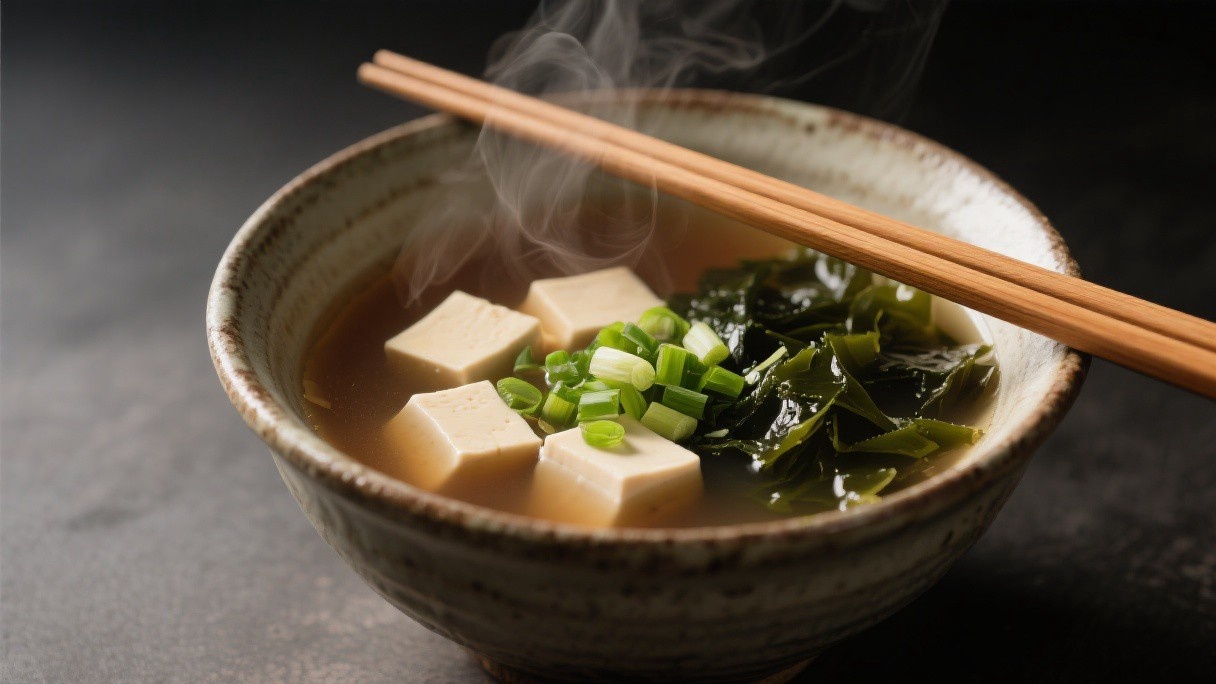
Japanese Miso Soup: Dashi Fundamentals and Fermented Soybean Paste
This comprehensive guide explores japanese miso soup, providing detailed instructions and expert techniques for achieving professional-quality results at home. Key topics covered include making dashi from kombu and katsuobushi, understanding miso varieties, dissolving miso without boiling, adding tofu, wakame, and scallions. For a basic dashi, I place a 10-by-10-centimeter piece of kombu in 1 liter of cold water and let it steep for 30 minutes. Then I bring the water to a gentle simmer over medium-low heat, removing the kombu just before the water reaches a full boil. Once the kombu is removed, I bring the water to a boil, add 20 grams of katsuobushi, and immediately remove the pot from the heat. An essential resource for achieving professional-quality results in your own kitchen.
Read Details
March 7, 2026
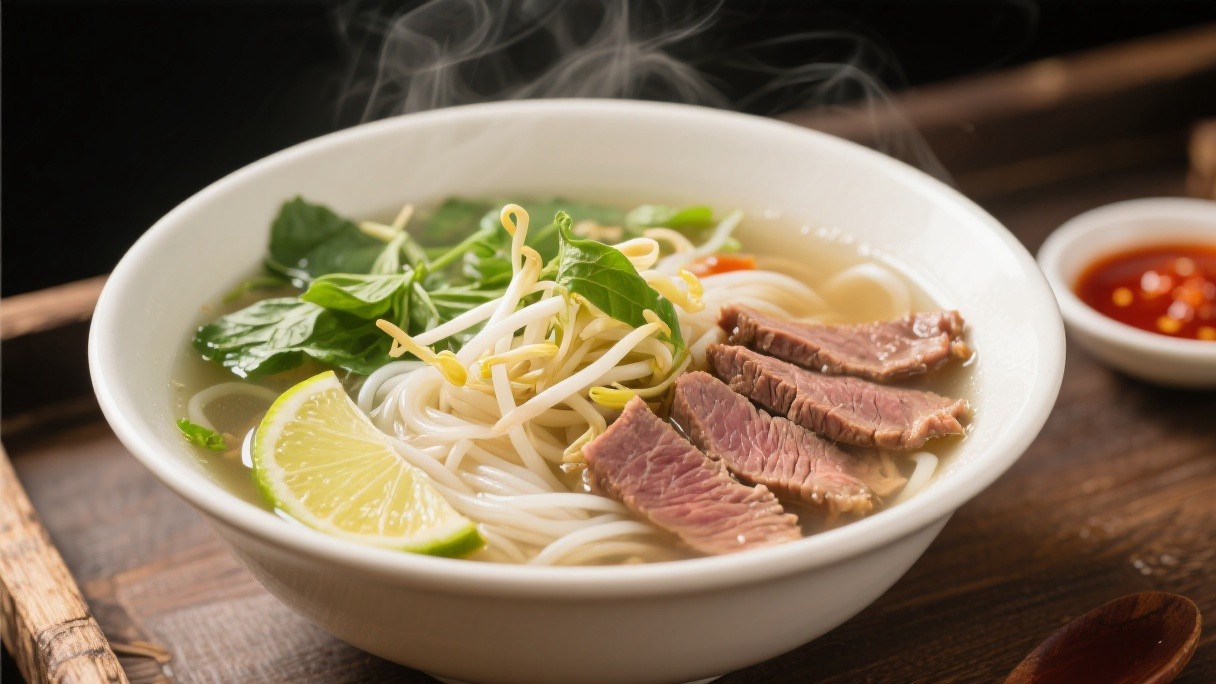
Vietnamese Pho: Building Depth Through Charred Bones and Star Anise
Learn to build authentic Vietnamese pho from scratch, starting with charred bones and aromatic spices that create the signature depth of flavor. This comprehensive guide covers the essential steps for crafting traditional beef pho broth, from charring onions and ginger to toasting star anise, cinnamon, and cloves. Discover the importance of par-boiling bones to achieve clarity, and learn the extended simmering technique that extracts maximum flavor. The article examines regional variations between northern and southern pho styles, plus the proper preparation of rice noodles and accompanying herbs. Understand how fish sauce, rock sugar, and careful skimming contribute to a balanced, aromatic broth. Whether you prefer rare beef, well-done brisket, or meatballs, mastering these Vietnamese techniques will allow you to create authentic pho with the complex, layered flavors that define this beloved dish.
Read Details
March 7, 2026
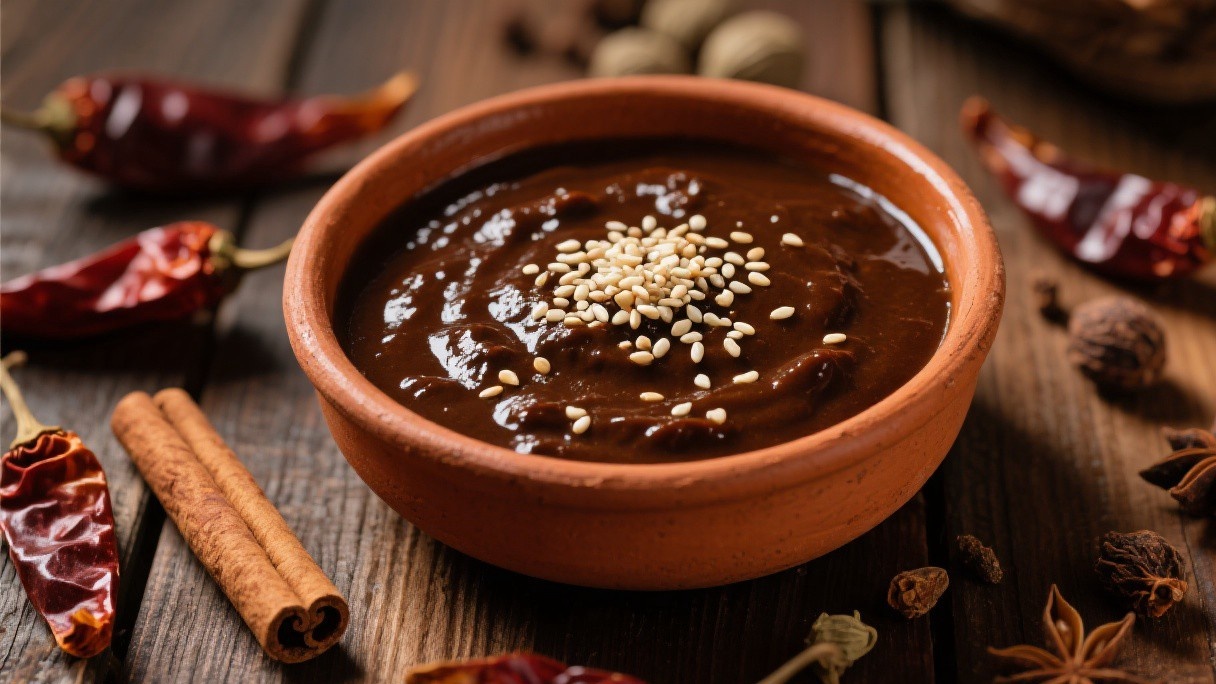
Mexican Mole Sauce: The Complex Layering of Dried Chiles and Spices
This detailed article walks you through mexican mole sauce, from fundamental principles to advanced techniques used by professionals. Key topics covered include selecting and toasting dried chiles, burning the spice base to create depth, the chocolate and fruit integration, simmering and straining for silky texture. Selecting and Toasting Dried Chiles The chile profile defines the character of the mole. For a classic mole negro, I use a combination of chilhuacle negro, mulato, pasilla, and ancho chiles in roughly equal proportions, totaling about 200 grams. Each variety contributes a different note: the chilhuacle brings a smoky bitterness, the mulato adds dried fruit sweetness, the pasilla contributes earthiness, and the ancho rounds everything out with mild heat and a raisin-like flavor. An essential resource for achieving professional-quality results in your own kitchen.
Read Details
March 5, 2026
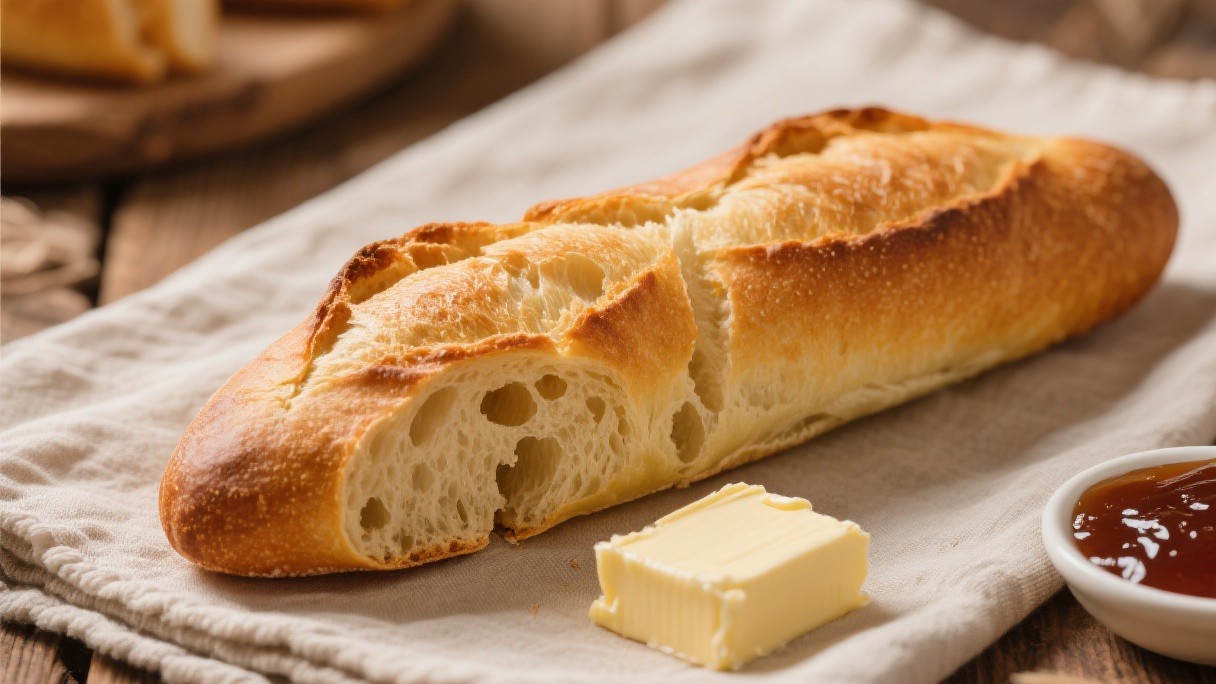
French Baguette: Achieving the Perfect Crust and Open Crumb Structure
This comprehensive guide explores french baguette, providing detailed instructions and expert techniques for achieving professional-quality results at home. Key topics covered include formulating the dough with proper hydration, bulk fermentation with folds, shaping for maximum oven spring, scoring and baking with steam. Formulating the Dough with Proper Hydration My standard baguette formula uses 500 grams of bread flour with a protein content between 11.5 and 12.5 percent, 350 grams of water, 10 grams of salt, and 2 grams of instant yeast. That gives a hydration of 70 percent, which is manageable for home bakers while still producing an open crumb. I mix the flour and water together first and let them rest for 30 minutes in a process called autolyse, which allows the gluten network to begin developing without the inhibiting effect of salt.
Read Details
March 4, 2026
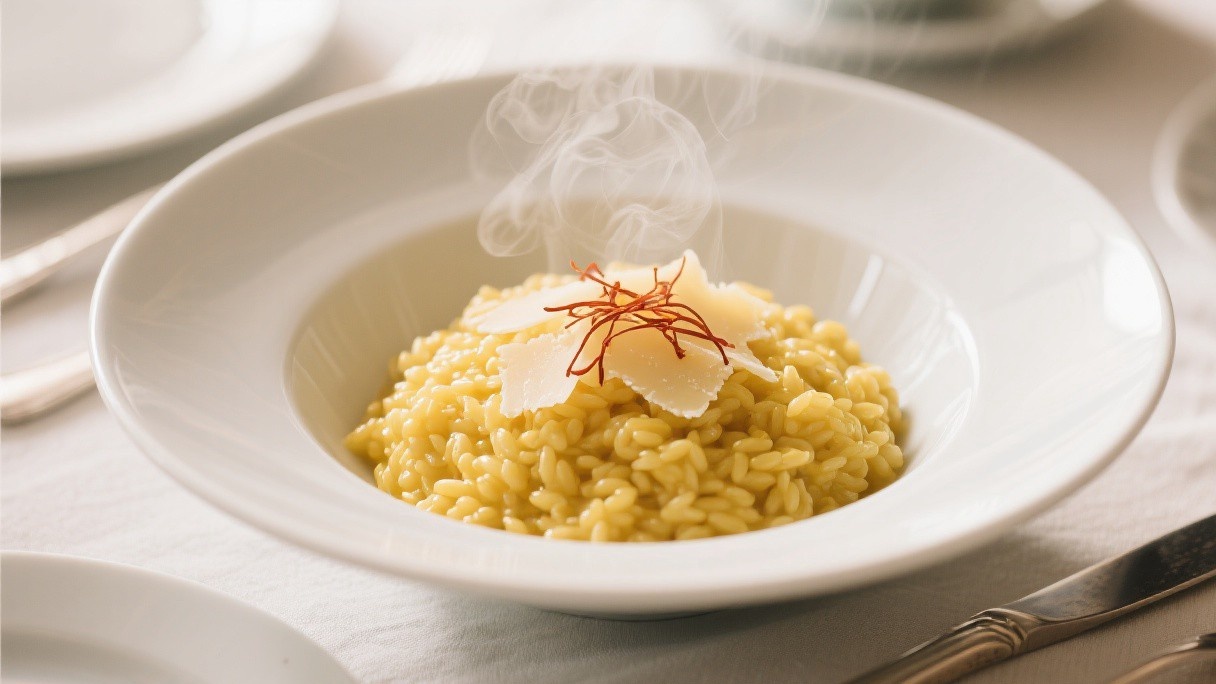
Mastering Risotto alla Milanese: The Secrets Behind Silky Italian Rice
Discover the complete process of risotto alla milanese with this in-depth guide covering essential techniques, key ingredients, and professional secrets. Key topics covered include the rice matters, the toasting process, saffron: liquid gold, the stirring ritual. Arborio is the most common variety found in supermarkets, but true connoisseurs prefer Carnaroli or Vialone Nano. These varieties have higher starch content and firmer cores, creating that signature creamy-yet-toothsome texture that defines exceptional risotto. The Toasting Process Before adding any liquid, the rice must be toasted in fat until the grains become translucent around the edges. The Stirring Ritual Contrary to popular belief, you don't need to stir constantly, but you do need to stir frequently. This agitation releases starch from the rice, creating the creamy consistency without adding cream. Add hot broth one ladle at a time, waiting until each addition is almost fully absorbed before adding more.
Read Details
March 2, 2026
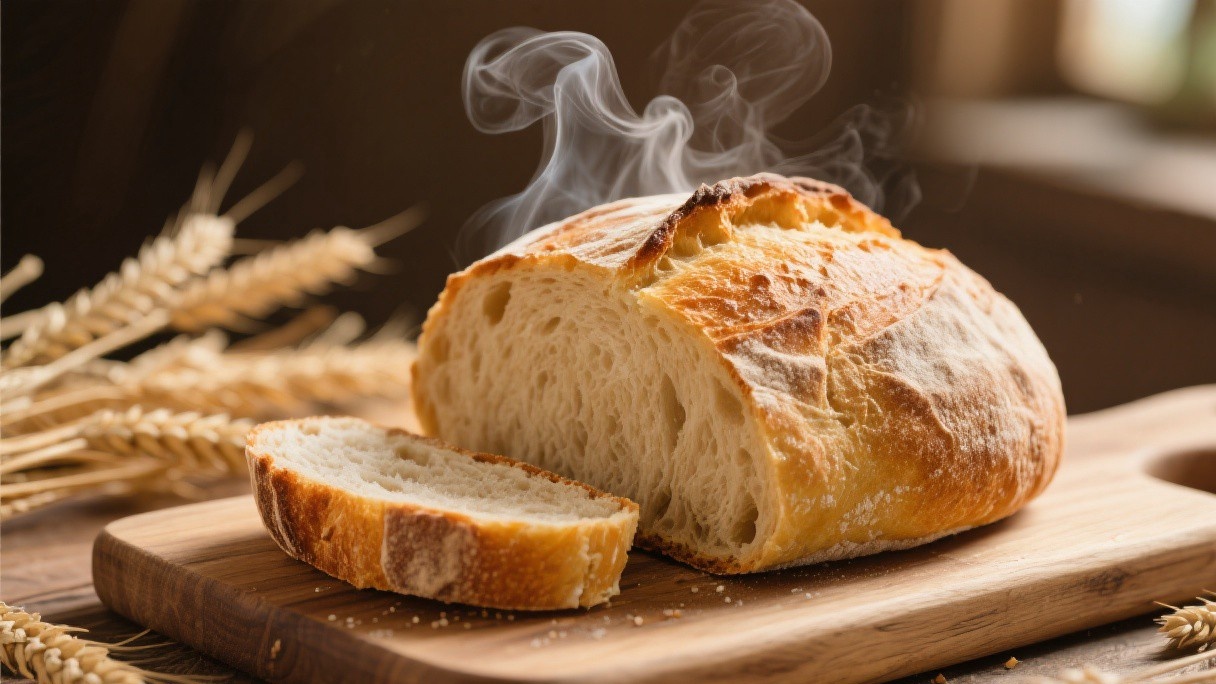
The Art of Homemade Sourdough: A Beginner's Journey to Crusty Perfection
This detailed article walks you through homemade sourdough, from fundamental principles to advanced techniques used by professionals. Key topics covered include sourdough starter maintenance, the autolyse method, shaping and scoring, baking technique. Sourdough Starter Maintenance A healthy, active starter is the foundation of every great sourdough loaf. This living culture of wild yeast and bacteria requires patience and attention, but the rewards are immeasurable. Unlike commercial yeast, which provides a quick, predictable rise, sourdough starter brings complex flavors and better digestibility to your bread. Shaping and Scoring Proper shaping creates surface tension, which helps your loaf hold its structure during the final rise. The scoring cut isn't just decorative—it controls how the bread expands in the oven. A single, confident slash at a 45-degree angle works better than multiple shallow cuts. Professional bakeries use steam-injected ovens, but home bakers can achieve similar results using a Dutch oven or by adding ice cubes to a preheated pan.
Read Details