Perfect Cheesecake Baking Secrets: Achieving Creamy, Crack-Free Results Every Time
Dessert
|
February 20, 2026
There is a reason Cheesecake Baking Secrets has endured as a beloved tradition across cultures. When done right, the results far surpass anything store-bought or restaurant-made. The secret lies in understanding a few core principles and applying them consistently. With the right approach, you can achieve professional-quality results in your own kitchen.
Water Bath: Non-Negotiable
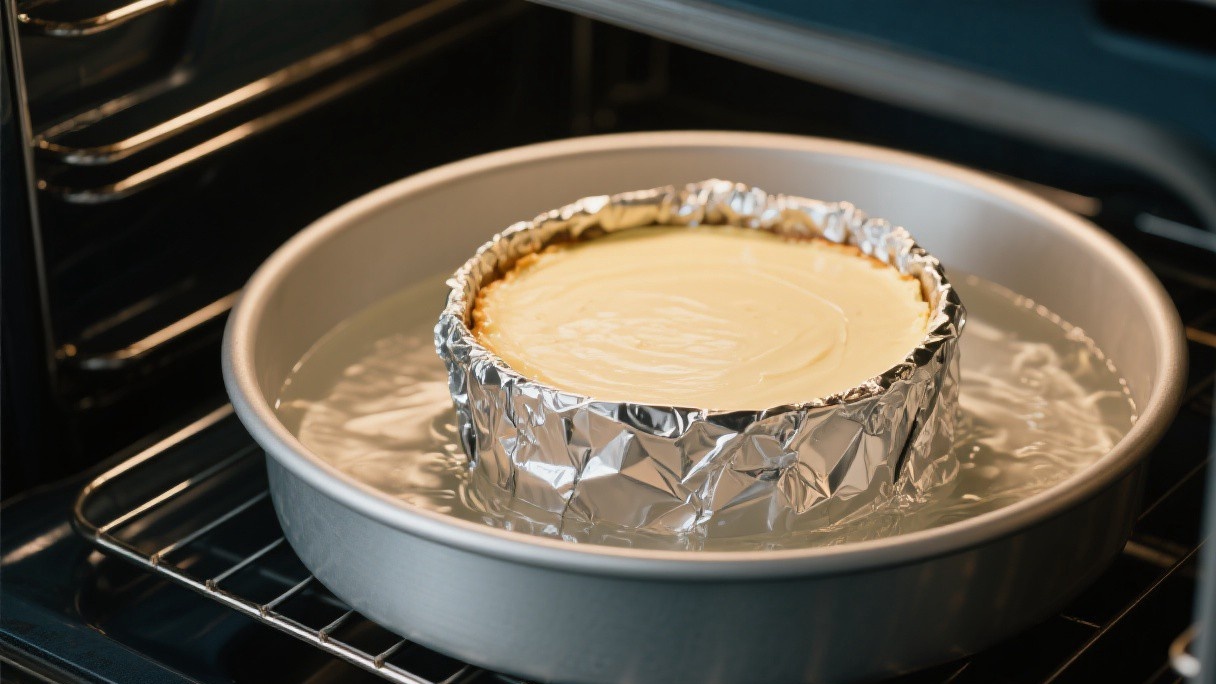
A water bath (bain-marie) provides gentle, even heat that prevents over-baking at the edges. Wrap your springform pan in heavy-duty foil to prevent water seepage, then set in a roasting pan filled with hot water halfway up the sides. The moisture in the oven prevents the top from drying and cracking prematurely.
The Slow Cool Revolution
Cracking happens when the center overheats and continues cooking after removal. The solution: turn off the oven when the edges are set but the center jiggles like firm Jell-O (about 3 inches in diameter). Leave the cheesecake in the oven with door cracked open for 1 hour. This gradual temperature drop prevents thermal shock that causes cracking.
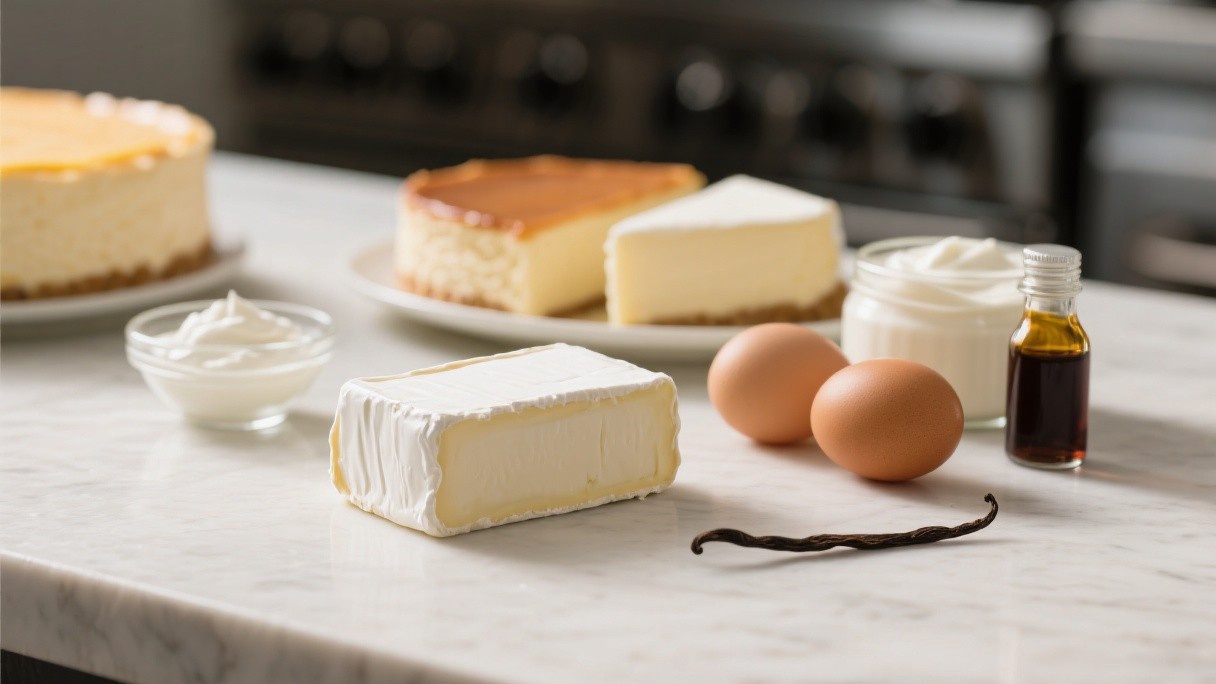
📷 Perfect slice of New York cheesecake
Overmixing: The Hidden Enemy
Every time you beat batter, you incorporate air—and air expands during baking, then collapses as it cools, causing cracks. Mix ingredients just until combined, scraping the bowl thoroughly. For ultra-smooth texture, strain the batter through a fine mesh sieve after mixing. This removes any unmixed bits of cream cheese and ensures silky results.
Room Temperature Ingredients
Cold ingredients don't blend smoothly; they create lumps that cause uneven texture. Remove cream cheese, eggs, and sour cream from refrigerator 1 hour before baking. The batter should be silky and pourable, not thick and chunky. This simple step dramatically improves the final texture.
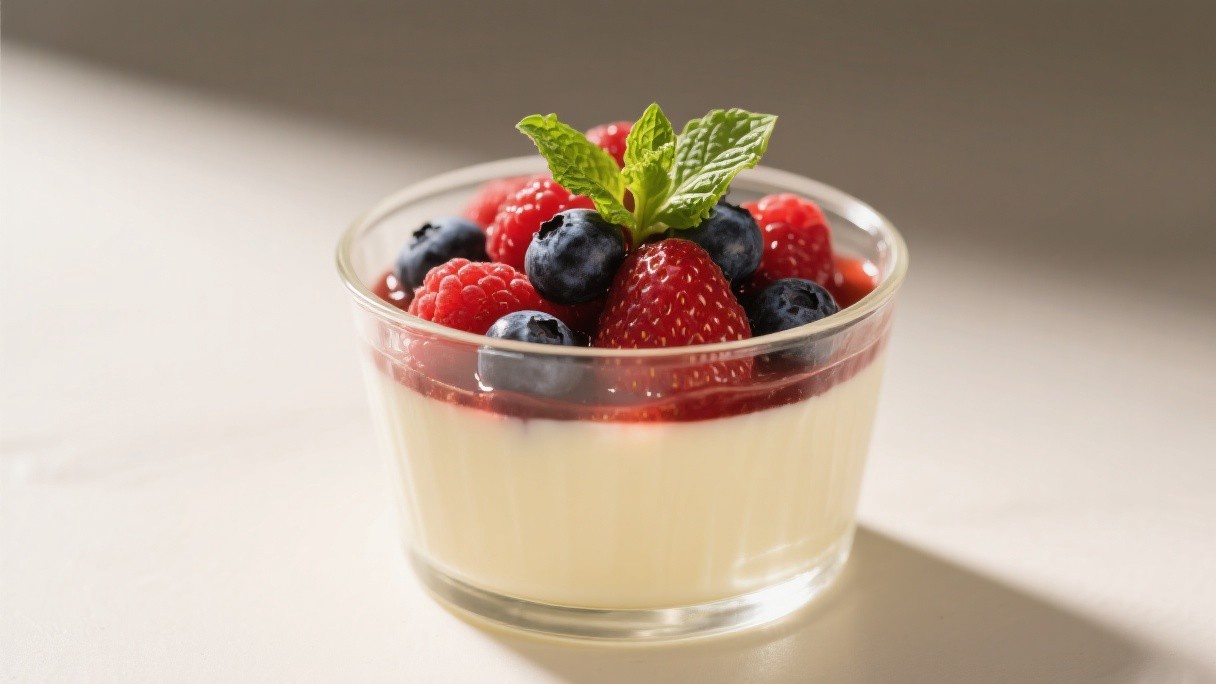
📷 Cheesecake with berry topping
Refrigerate the cooled cheesecake overnight for best flavor and texture—the interior firms up and flavors meld. Run a warm knife around edges before releasing the springform. The slice should be clean, smooth, and absolutely crack-free.
Water Bath Technique
I perfected the water bath, wrapping my springform in multiple layers of foil to prevent leaks. The steam helps the cheesecake rise tall, creating the soufflé texture that defines New York style. This technique transformed my results.
Topping Variations
While I love plain cheesecake, I've developed several topping recipes—sour cream glaze, fruit compotes, chocolate ganache. Each adds a different dimension, allowing me to customize for different occasions and preferences.
The Water Bath Technique
I have found that a water bath, or bain-marie, is the single most important technique for achieving a creamy, crack-free cheesecake. The steam from the hot water creates a moist, gentle cooking environment that prevents the surface from drying and cracking while ensuring even heat distribution throughout the cake. I wrap the outside of my springform pan with two layers of heavy-duty aluminum foil, pressing firmly to seal out any water.
The pan sits in a larger roasting pan filled with one inch of boiling water. This simple step transforms the texture from grainy to silk.
Perfecting the Crust and Toppings
I always press my graham cracker crust firmly into the pan, using the bottom of a measuring cup to create an even layer that extends slightly up the sides. I bake the crust for ten minutes before adding the filling, which sets it and prevents sogginess. For toppings, I make fruit compotes from fresh or frozen berries simmered with sugar and a cornstarch slurry, providing a bright, acidic contrast to the rich cheesecake.
I spread a sour cream topping during the last ten minutes of baking, which adds a tangy layer that balances the sweetness and creates a beautiful, professional-looking finish.
Flavor Variations Beyond Classic Vanilla
The basic cheesecake recipe serves as a foundation for countless flavor variations. Swirling fruit puree through the batter before baking creates a marbled effect that is both beautiful and delicious. Adding melted chocolate to the batter produces a rich, decadent chocolate cheesecake. Pumpkin puree with cinnamon and nutmeg creates a seasonal autumn version. A swirl of salted caramel through vanilla batter combines sweet and salty in an irresistible way.
For a lighter option, lemon zest and juice create a bright, refreshing variation. Each flavor addition should be folded in gently to avoid deflating the batter and affecting the final texture.
Serving Temperature and Portioning
Cheesecake is best served slightly chilled but not cold, at approximately 40 to 45 degrees Fahrenheit. Removing it from the refrigerator twenty to thirty minutes before serving allows the flavors to fully develop and the texture to soften to the ideal creaminess. A hot, clean knife dipped in water between cuts produces the cleanest, most professional-looking slices. For the most elegant presentation, wipe the knife blade with a damp towel after each cut.
Serving portions should be relatively small, as cheesecake is extremely rich. A thin slice accompanied by fresh fruit or a small dollop of whipped cream provides a balanced, satisfying dessert experience.
Cheesecake for Special Diets
Cheesecake can be adapted for various dietary needs with thoughtful substitutions. A crust made from almond flour, butter, and a small amount of sugar replaces the traditional graham cracker crust for a gluten-free version. Using a blend of cream cheese and Greek yogurt reduces the fat content while maintaining a creamy texture. Sugar substitutes like erythritol or monk fruit sweetener can replace sugar for a lower-carbohydrate option.
Coconut cream provides a dairy-free alternative to cream cheese, though the texture will be slightly different. These adaptations ensure that cheesecake remains accessible to those with dietary restrictions without sacrificing the essential character of the dessert.
Set realistic expectations for your first attempt and focus on learning rather than perfection. The techniques described here are forgiving by nature, so even missteps produce edible results. With each repetition, your timing improves, your palate sharpens, and your confidence grows.