The 5 Most Nutrient-Dense Plant-Based Foods You Should Eat Every Week
Nutrition
|
February 10, 2026
Not all plant-based foods are created equal. Some deliver a modest nutritional contribution. Others pack more vitamins, minerals, protein, and protective compounds into a single serving than most people get from an entire day of eating.
These five belong in your weekly rotation without exception, and hard numbers back the case for each one.
What Nutrient Density Actually Means In Practice
Nutrient density refers to the concentration of beneficial nutrients relative to the calorie content of a food. A food can be plant-based and still be nutritionally sparse, think white rice or processed vegan snacks.
The foods on this list score high because they deliver significant amounts of multiple essential nutrients simultaneously, not just one or two, within a modest calorie range. That ratio is what makes them worth prioritizing week after week.
1. Lentils
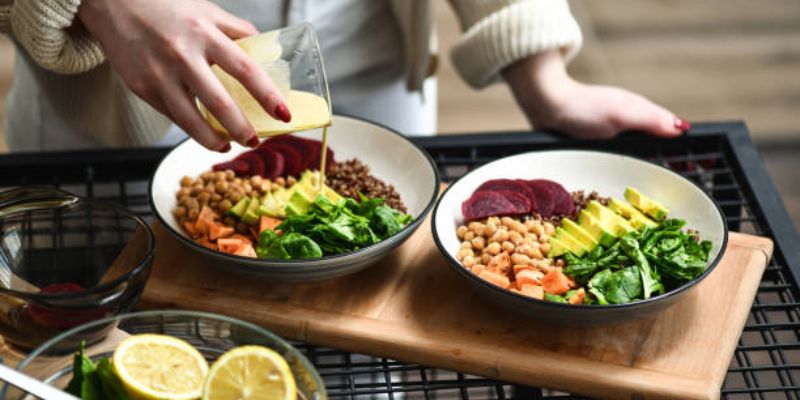
Lentils may be the single most nutritionally efficient food available to anyone eating a plant-based diet. One cooked cup delivers approximately 18 grams of protein, 15 grams of fiber, 37 percent of the daily value for iron, 90 percent of the daily value for folate, and meaningful amounts of magnesium, potassium, zinc, and B vitamins, all for around 230 calories.
Lentils are also among the few plant foods that provide significant amounts of both protein and iron, which is particularly relevant for plant-based eaters who need to be intentional about both nutrients. The iron in lentils is non-heme iron, which is less bioavailable than heme iron from meat, but pairing lentils with a source of vitamin C, like a squeeze of lemon or a side of bell pepper, increases absorption substantially.
Red lentils cook in under 20 minutes without soaking and dissolve into silky soups and dal. Green and brown lentils hold their shape better and work well in salads and grain bowls. Black beluga lentils have a firmer bite and a more complex flavor that significantly elevate cold preparations. A one-pound bag costs around $1.50 to $2.00 and yields eight to ten servings, making lentils the most cost-effective nutrient-dense plant-based food on this list by a considerable margin.
2. Kale And Dark Leafy Greens
Kale has been aggressively marketed for years, leading some people to dismiss it as overrated. It is not. One raw cup of kale provides over 100 percent of the daily value for vitamins K, A, and C, along with meaningful amounts of calcium, manganese, and potassium, for approximately 33 calories. That calorie-to-nutrient ratio is extraordinary by any measure.
The broader category of dark leafy greens, including Swiss chard, collard greens, spinach, and bok choy, all compete strongly for this position. Spinach is particularly high in iron and magnesium. Collard greens provide more calcium per cup than most dairy products. Bok choy is an excellent source of vitamin C and folate, and it cooks in under five minutes.
Raw kale is genuinely tough and can be hard on digestion when eaten in large quantities. Massaging it with a small amount of olive oil and lemon juice for 2 to 3 minutes before eating breaks down the fibrous cell structure, making it considerably more palatable and easier to digest. Cooking reduces the volume dramatically, which is why a pan of wilted kale that looks like it will never be enough always ends up being surprisingly filling.
3. Blueberries And Deeply Pigmented Berries
Blueberries earn their place on this list not through protein or fiber. However, they contribute both, but through their concentration of polyphenols and antioxidants, specifically anthocyanins, the compounds are responsible for their deep blue pigment. Anthocyanin consumption [2] has been associated with reduced oxidative Stress, improved cardiovascular markers, and better cognitive function over time in clinical research.
One cup of fresh blueberries provides about 4 grams of fiber, 24 percent of the daily value for vitamin C, and 36 percent of the daily value for vitamin K, for approximately 84 calories. Wild blueberries, which are smaller and more intensely pigmented than cultivated varieties, contain roughly twice the antioxidant concentration per gram and are widely available frozen at around $4 to $6 per pound.
Blackberries, raspberries, and acai all belong in this conversation. Acai, in particular, has a very high antioxidant score but is primarily available as a frozen puree or powder, which limits its versatility compared to fresh or frozen berries. For most people, a cup of mixed frozen berries added to oatmeal or a smoothie, five to seven mornings per week, is the most practical way to capture the benefits of this food group consistently.
4. Hemp Seeds
Hemp seeds sit in a category of their own because of how many nutritional boxes they check in a single small serving.
Three tablespoons provide 10 grams of complete protein, 3 grams of omega-3 fatty acids, 2 grams of fiber, and significant amounts of magnesium, phosphorus, and zinc. The omega-3 to omega-6 ratio in hemp seeds is approximately 1:3, which is considered nutritionally favorable and is rare in plant foods.
For plant-based eaters who do not consume fatty fish, omega-3 fatty acids from plant sources [3] are a genuine nutritional concern. Most plant sources provide ALA, the short-chain omega-3 fatty acid, rather than EPA and DHA. Hemp seeds provide ALA in meaningful quantities alongside a complete amino acid profile, making them one of the most nutritionally significant additions to a plant-based diet for anyone paying attention to both fat quality and protein completeness.
They require zero preparation and have a mild, slightly nutty flavor that does not compete with other ingredients. Sprinkled over oatmeal, stirred into smoothies, mixed into salad dressings, or scattered across a grain bowl, they add nutrition passively and consistently. Brands like Manitoba Harvest and Nutiva are widely available at $8 to $14 per pound, which sounds steep until you calculate the cost per serving, which is roughly $0.30 to $0.50.
5. Sweet Potatoes
Sweet potatoes are a genuinely exceptional plant-based food that is often underestimated because they are associated with comfort cooking rather than their nutritional performance.
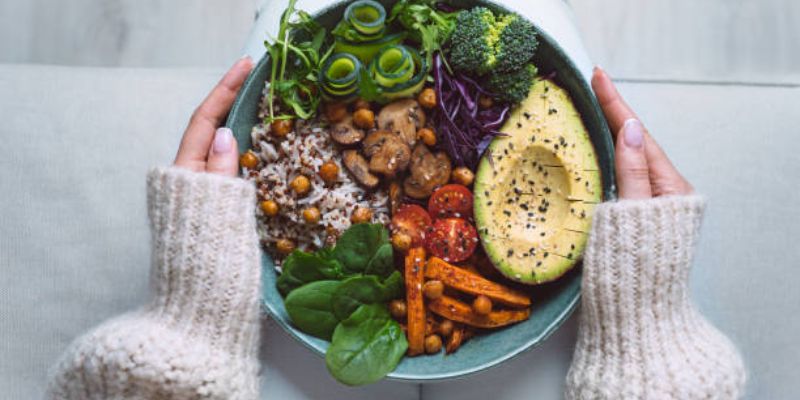
One medium sweet potato, around 130 grams, provides over 100 percent of the daily value for vitamin A through its beta-carotene content, 37 percent of the daily value for vitamin C, 15 percent of the daily value for potassium, and 4 grams of fiber, for approximately 112 calories.
Beta-carotene is a fat-soluble compound, which means consuming sweet potatoes with a small amount of healthy fat, olive oil, tahini, or avocado meaningfully increases how much the body actually absorbs. This is one of the most practically useful nutritional pairings in plant-based eating and takes no additional effort beyond a drizzle of olive oil before roasting.
Sweet potatoes also have a lower glycemic impact than regular white potatoes when eaten with the skin and prepared without excessive processing. They store well at room temperature for 2 to 3 weeks, making them one of the most practical whole-plant foods to keep on hand at all times. At roughly $0.99 to $1.49 per pound at most grocery stores, they are accessible to nearly every budget.
Roasting a sweet potato at 425 degrees Fahrenheit for 35 to 40 minutes caramelizes the natural sugars and produces a depth of flavor that requires almost no seasoning. They work as a base for grain bowls, mashed as a side dish, cubed into curries and soups, or eaten straight as a snack with a sprinkle of cinnamon and almond butter. Few plant-based foods are this versatile, this affordable, and this nutritionally significant simultaneously.
How To Actually Eat These Every Week Without Trying Too Hard
The practical challenge with nutrient-dense plant-based foods is that people don't know they exist. It is building them into daily eating patterns without active effort. The approach that works best is anchoring each of these five foods to a specific meal slot rather than treating them as additions to whatever you happen to cook.
Lentils in at least two dinners per week. Dark leafy greens in at least one meal daily, whether raw in a salad, wilted into pasta, or blended into a soup. Berries at breakfast four to five mornings per week. Hemp seeds sprinkled onto whatever you eat for breakfast or lunch. Sweet potato as a side or base for two to three meals per week.
That structure, maintained consistently, means these five nutrient-dense plant-based foods appear in your diet 15 to 20 times per week across different preparations and combinations. The nutritional cumulative effect of that consistency over months and years is where the real benefit lies, not in any single serving.
Pick one of these five foods this week and commit to eating it every day in whatever form works best for you. Once it becomes automatic, add the next one. Building the habit gradually is the approach that actually sticks.
References
[1] United States Department of Agriculture – https://www.usda.gov
[2] National Institutes of Health – https://www.nih.gov
[3] Harvard T.H. Chan School of Public Health – https://www.hsph.harvard.edu