From Flour to Fork: Crafting Silky Fresh Pasta in Your Kitchen
Recipe
|
March 12, 2026
Flour to Fork has been perfected over generations, with each culture adding its own signature techniques and flavors. Learning these methods at home gives you control over every variable, from ingredient quality to cooking time. The process may seem intimidating at first, but breaking it into clear steps makes it accessible to anyone willing to try.
Getting Dough Ratio Right
The classic ratio for fresh egg pasta is 100 grams of flour to 1 large egg per person. But humidity, egg size, and flour type all affect the final dough. Start with Italian 00 flour for the silkiest texture, though all-purpose flour works well too. The goal is a dough that's firm but not dry, soft but not sticky.
Kneading Technique
Proper kneading develops gluten, giving pasta its characteristic chew. Push the dough away with the heel of your hand, fold it back over itself, and rotate. Continue for 8-10 minutes until the dough feels smooth and elastic, like soft leather. If the dough springs back when poked, it's ready to rest.
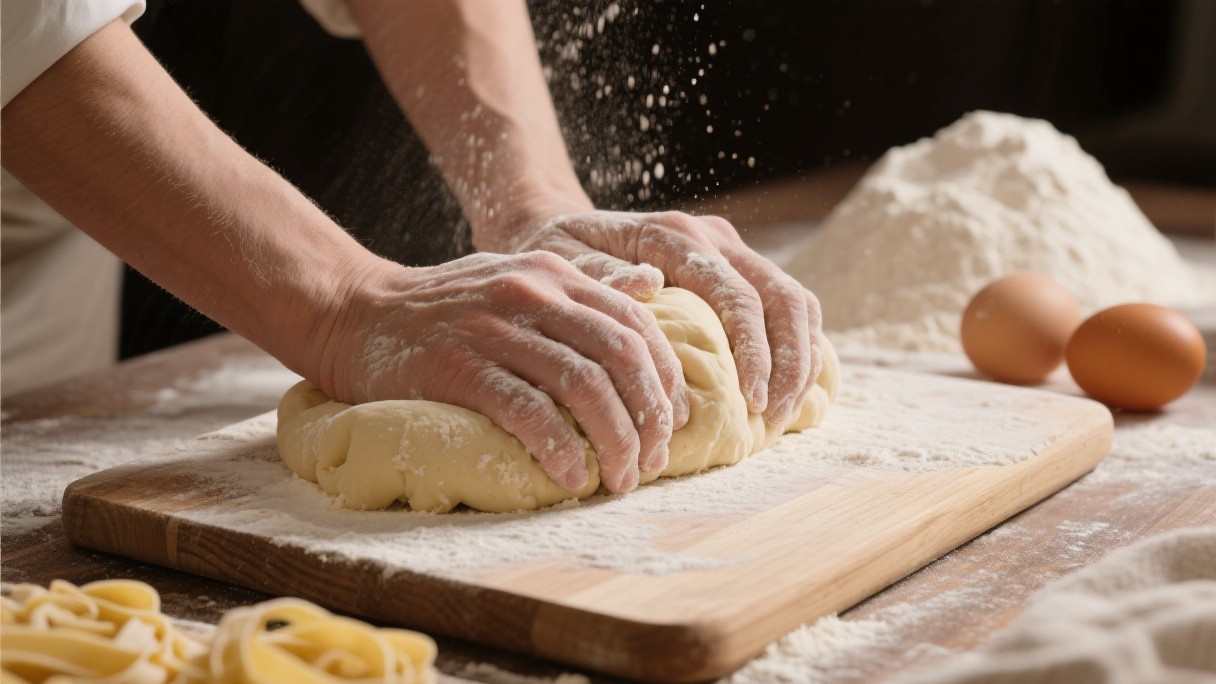
📷 Fresh pasta dough being rolled
The Resting Period
Never skip the resting phase. Wrapped in plastic and left at room temperature for 30 minutes (or refrigerated for up to 24 hours), the gluten relaxes, making the dough easier to roll thin. This resting period also allows the flour to fully hydrate, resulting in a more tender pasta.
Rolling and Shaping
Whether using a pasta machine or rolling pin, work with small portions and keep the rest covered. Roll progressively thinner, dusting with flour as needed. For tagliatelle, roll to setting 6 or 7 on a standard machine—thin enough to see your hand through it. The pasta will expand when cooked, so thinner is better than thicker.
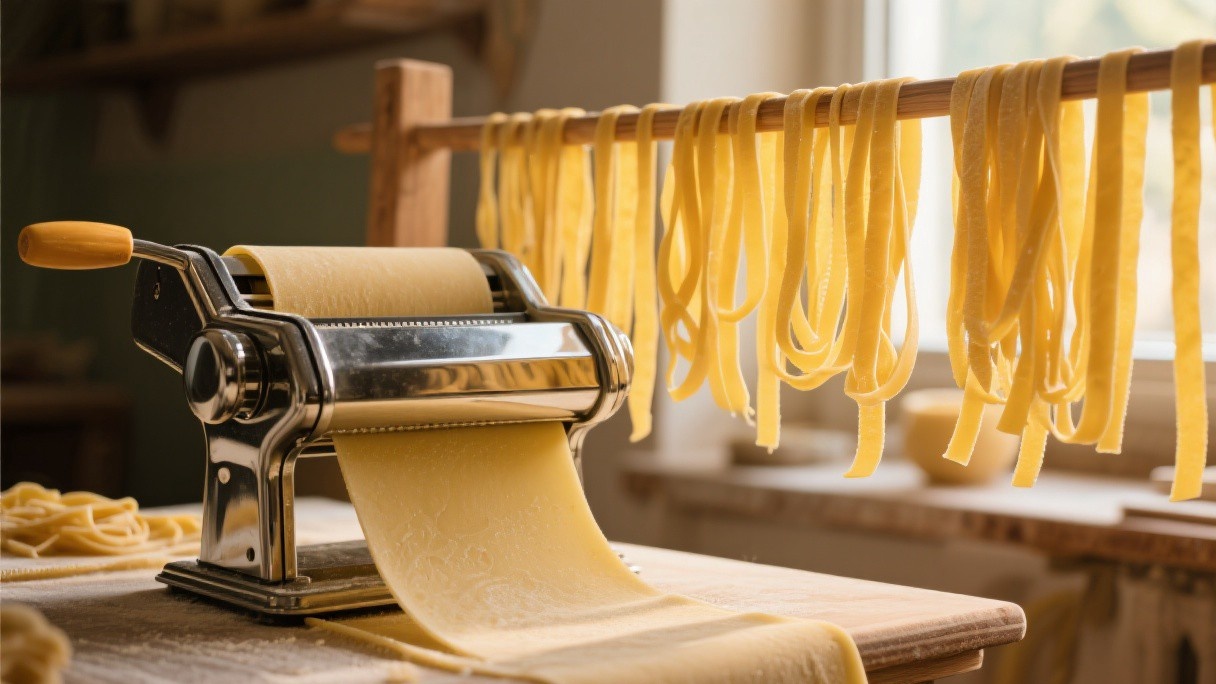
📷 Cutting fresh tagliatelle
Fresh pasta cooks in just 2-3 minutes in generously salted boiling water. The moment it floats to the surface, it's ready. Toss immediately with your sauce, adding a splash of pasta water to create that restaurant-quality emulsion that clings to every strand.
Learning Curve
My early attempts were disastrous—tough, rubbery noodles that stuck together in a gummy mass. I didn't understand that pasta dough needs rest, that the gluten must relax before rolling. Now I plan ahead, letting my dough rest overnight in the refrigerator for the best texture.
Sauce Pairings I've Discovered
Fresh pasta deserves better than jarred sauce. I've learned to match shapes with sauces—wide pappardelle with rich ragu, delicate angel hair with light olive oil and garlic. The pasta itself becomes a vehicle for flavor, but it must be the right vehicle for the right sauce.
Flour Varieties and Their Effects
Beyond the classic 00 flour, semolina flour adds a pleasant grit and golden hue to pasta dough. Some Italian regions blend both for a texture that holds sauce exceptionally well. For a richer dough suitable for stuffed pastas like ravioli, adding a tablespoon of olive oil per egg creates more pliable sheets that seal without tearing. Each flour type demands slightly different hydration, so having a small reserve of extra flour and water nearby is always wise.
Sauce Pairing Principles
Thick, ribbon-like pasta — pappardelle demands robust meat ragu or hearty mushroom sauces that cling to the broad surface area. Delicate tagliolini shines with butter, sage, and a light dusting of Parmigiano-Reggiano. The cooking water, starchy and slightly salty, is a crucial ingredient for building sauce. Reserving a cup before draining allows you to adjust the sauce consistency and help it emulsify with butter or oil for a silky, cohesive finish.
Egg Yolk to White Ratio
The proportion of egg yolks to whites significantly affects the texture and color of fresh pasta. A higher yolk ratio produces richer, more tender dough with a vibrant yellow color, ideal for filled pastas and elegant presentations. A whole-egg dough is more versatile and easier to work with, producing pasta that is slightly firmer and better suited for shapes like spaghetti and rigatoni.
Some recipes call for only yolks, using roughly one yolk per 100 grams of flour for an incredibly luxurious result. Understanding this ratio allows home cooks to tailor the dough to the specific dish they are preparing.
Drying and Storing Fresh Pasta
Fresh pasta can be dried for later use, extending the shelf life from a few hours to several months. Lay the cut pasta in a single layer on a floured baking sheet or hang it over a drying rack for twelve to twenty-four hours until completely brittle. Store dried pasta in an airtight container at room temperature. When cooking dried fresh pasta, add one to two minutes to the cooking time compared to fresh.
The dried version retains much of the superior texture and flavor that distinguishes homemade pasta from commercial alternatives, making it well worth the extra effort of drying.
Filled Pasta Techniques
Once the basic dough is mastered, the world of filled pastas awaits. Ravioli, tortellini, and mezzelune each require slightly different techniques but share the same fundamental principle: a thin sheet of dough sealed around a flavorful filling. The filling should be thick enough to hold its shape but moist enough to blend with the pasta during cooking. Overfilling is the most common mistake, leading to burst pasta and wasted filling. A teaspoon of filling per ravioli square is generally sufficient.
Practicing with simple ricotta and herb fillings builds the confidence needed to tackle more complex recipes.
Temperature, timing, and ingredient quality are the three pillars that hold everything together. Master those, and variations become easy. Try different combinations, adjust seasonings to your preference, and make the recipe your own. That is how personal cooking traditions are born.