The Deep, Sweet Alchemy of Authentic French Onion Soup
Recipe
|
March 20, 2026
The Deep, Sweet Alchemy of Authentic French Onion Soup is a craft that rewards patience and attention to detail. Whether you are a curious beginner or an experienced cook looking to refine your technique, understanding the fundamentals transforms ordinary ingredients into something remarkable. The journey from raw materials to finished dish involves specific steps that, once mastered, become second nature.
The Onion Selection
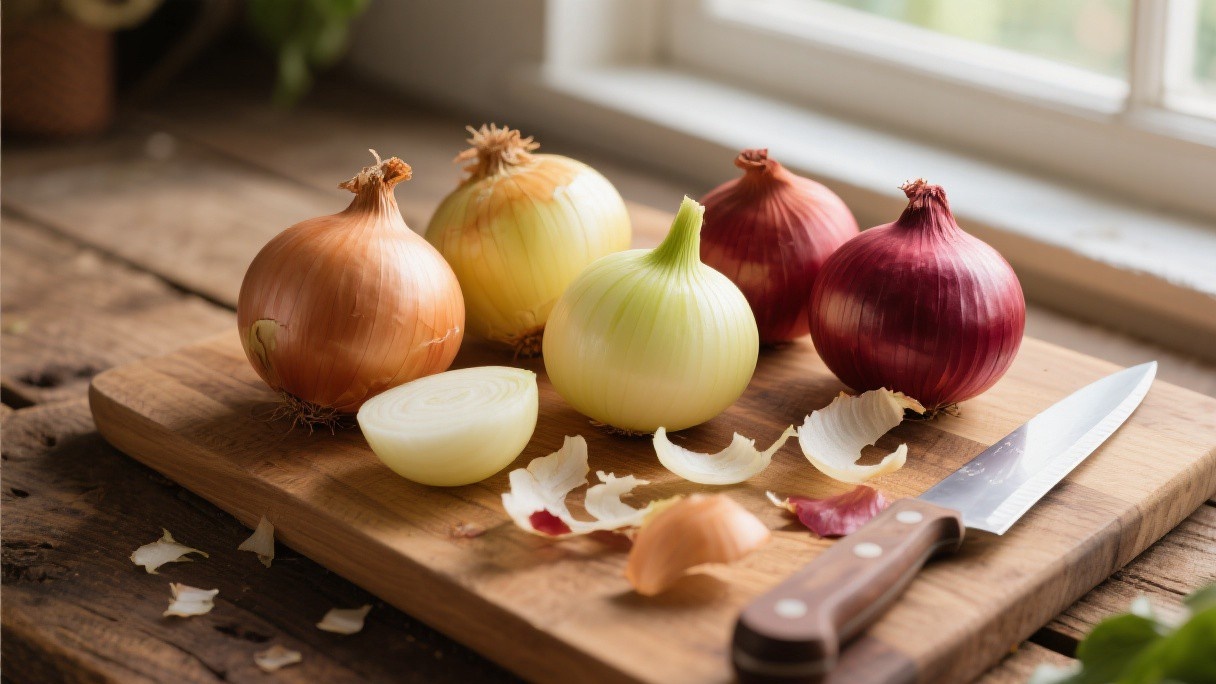
Yellow onions are traditional, but mixing varieties creates more complex flavor. I use a combination of yellow, sweet Vidalia, and red onions. Each contributes different sugar levels and flavor compounds that meld into something greater than the sum of their parts.
The Art of Caramelization
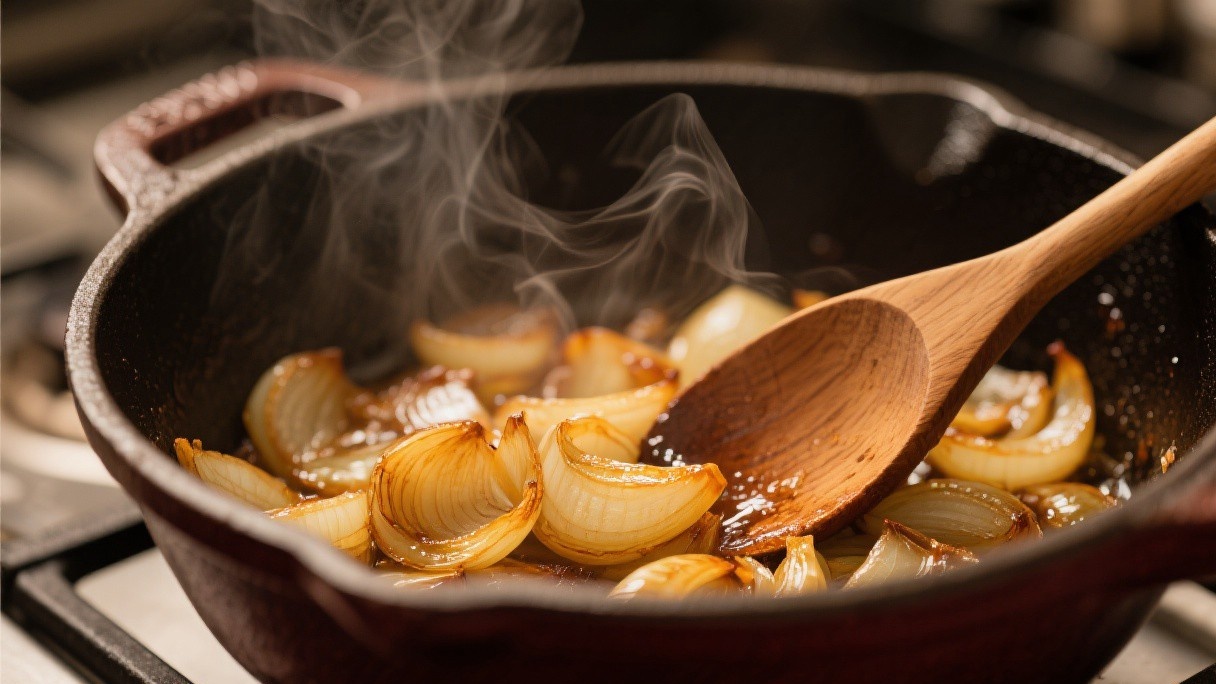
This is where patience becomes a virtue. True caramelization takes 45-60 minutes of gentle stirring over medium-low heat. The onions transform from sharp and white to sweet and mahogany, developing hundreds of new flavor compounds along the way. Rush this step, and you'll have sautéed onions, not caramelized ones.
📷 French onion soup with melted cheese
Deglazing Secrets
Adding liquid to the caramelized onions lifts the fond—that layer of browned bits stuck to the pan—incorporating intense flavor into the soup. Dry sherry or white wine adds acidity and complexity, while brandy contributes depth. Let the alcohol cook off completely before adding stock.
The Cheese Crown
Gruyère is non-negotiable for authentic French onion soup. Its nutty flavor and excellent melting properties create that iconic cheese pull. Toast the bread separately until crisp, then broil with cheese until bubbly and browned. The contrast between the molten cheese and savory broth is what makes this soup unforgettable.
📷 French onion soup in crock
Serve in oven-safe crocks, piping hot, with the cheese still bubbling. Each spoonful should capture the sweet depth of the onions, the richness of the broth, and the gooey perfection of the cheese crown.
Sharing My Knowledge
I now teach others what I've learned, passing on techniques that took me years to develop. Watching students master these skills brings satisfaction beyond my own achievements. This knowledge deserves to be shared.
Choosing the Right Broth
While homemade beef stock is ideal, I often use a combination of high-quality commercial beef broth enhanced with roasted beef bones for impressive results. The broth should be rich and deeply savory, as it forms the backbone of the entire dish. I sometimes add a splash of cognac or Madeira for additional complexity. The critical factor is to avoid overly salty broths, since the cheese and caramelized onions already contribute significant seasoning to the final soup.
Bread and Assembly Tips
The bread layer serves as a structural barrier between the soup and cheese, so I always choose a sturdy, day-old baguette. Fresh bread will dissolve into the broth, creating a soggy mess rather than a satisfying contrast. I toast the slices until they are completely dry and firm before placing them on top of the soup. When broiling, I position the rack close to the heating element and watch carefully to achieve an even, golden-brown cheese crust without burning.
Cheese Alternatives and Combinations
While Gruyere is the traditional and most popular choice, combining it with other cheeses creates more complex flavor profiles. A blend of Gruyere and Emmental adds a nuttier, slightly sweeter note. A small amount of Parmesan grated over the top before broiling intensifies the savory character. For a more budget-friendly version, a combination of Swiss and provolone melts well and provides a satisfying stretch.
Some modern variations incorporate a spoonful of cream or creme fraiche stirred into the soup just before serving, creating an even richer, more luxurious mouthfeel.
Time-Saving Techniques Without Sacrificing Quality
While traditional French onion soup requires patience, a few smart shortcuts can reduce the total time without compromising the result. Using a slow cooker for the caramelization phase allows the onions to develop deep color and flavor over six to eight hours with minimal attention. Pre-made beef bone broth concentrate provides a quality base that saves hours of simmering. Slicing the onions in a food processor ensures even thickness, which promotes uniform caramelization.
These adaptations make the soup accessible for weeknight cooking while preserving the essential character that makes it a beloved classic.
Wine and Beverage Pairings
French onion soup pairs naturally with the wines of its region. A red Burgundy or Pinot Noir offers bright acidity that cuts through the richness of the cheese and broth. For white wine drinkers, a Chablis or Macon-Villages provides mineral notes that complement the savory depth. Cider, both still and sparkling, is an underappreciated pairing that works beautifully with the sweet, earthy onion flavors.
A simple French Lager or a Belgian-style amber ale also pairs well, offering carbonation that refreshes the palate between spoonfuls of this hearty, comforting soup.
Recipe Tips
For best results, read through the entire recipe before starting. Measure ingredients accurately and bring them to room temperature when specified. Don't rush the process—good cooking takes patience and precise measurements and timing.
Troubleshooting Caramelization
Avoid rushing the caramelization process. This is the most critical step and cannot be shortened. Using the wrong type of onion can also affect results—sweet onions work best for this classic preparation.
Serving Ideas
This soup is traditionally served with crusty bread and melted Gruyère cheese on top. The combination of rich broth, crispy bread, and gooey cheese creates a memorable dining experience that has made this dish a classic.
Temperature, timing, and ingredient quality are the three pillars that hold everything together. Master those, and variations become easy. Try different combinations, adjust seasonings to your preference, and make the recipe your own. That is how personal cooking traditions are born.