The Soul of Ramen: Building Japanese Broth from the Bones Up
Recipe
|
March 14, 2026
There is a reason Soul of Ramen has endured as a beloved tradition across cultures. When done right, the results far surpass anything store-bought or restaurant-made. The secret lies in understanding a few core principles and applying them consistently. With the right approach, you can achieve professional-quality results in your own kitchen.
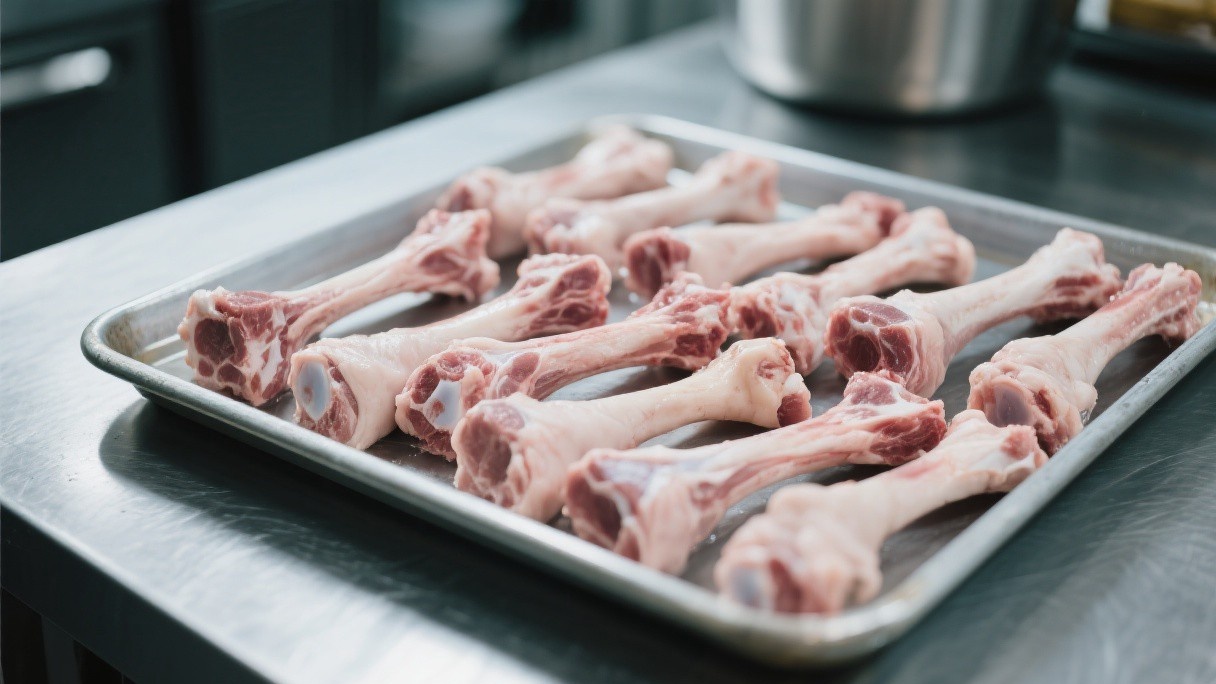
The Foundation: Bones
For tonkotsu broth, pork bones are essential—specifically femurs and trotters for their high collagen content. The collagen breaks down into gelatin, giving the broth its characteristic body and that lip-smacking richness. Blanch the bones first to remove blood and impurities that would cloud the broth.
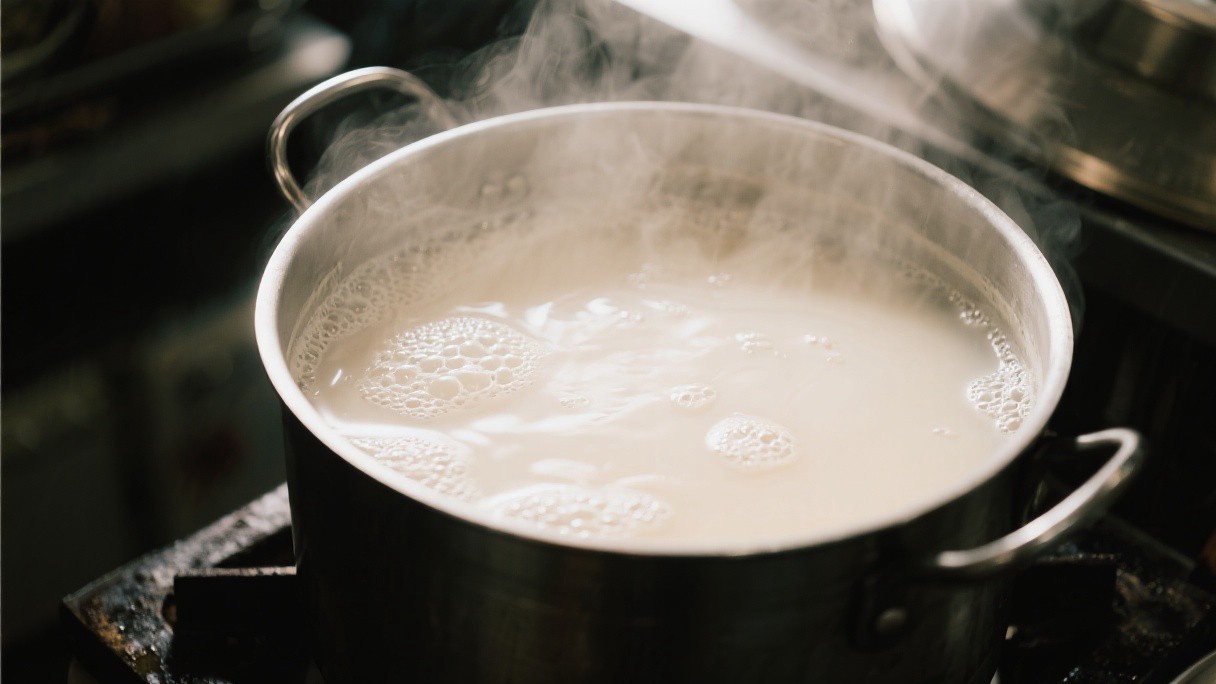
The Long Simmer
Authentic tonkotsu broth simmers for 12-18 hours. This extended cooking breaks down the bones completely, releasing marrow and creating that milky white color. The broth should bubble gently, never boil violently, which would make it greasy. Skim regularly to remove excess fat and impurities.
📷 Japanese ramen bowl
Aroma Oil and Tare
Two components elevate homemade ramen to restaurant quality: aroma oil and tare. Aroma oil (mayu) is made by slowly burning garlic and sesame oil until black, then straining. It adds depth and complexity. Tare is the seasoning base—soy sauce, mirin, sake, and various aromatics—that provides the salt and umami backbone.
Noodle Selection
Fresh ramen noodles are ideal, but high-quality dried noodles work well too. Cook them separately in fresh water, not the broth, to prevent starch from clouding your carefully crafted soup. The noodles should be slightly underdone when added to the hot broth, as they'll continue cooking.
📷 Fresh ramen noodles
Assembly is an art form: tare in the bottom of the bowl, hot broth poured over, noodles arranged just so, toppings placed with intention. Each element should be visible and accessible. A perfect bowl of ramen engages all the senses before you even take your first sip.
The Broth Evolution
The first broth was thin and greasy, lacking the creamy emulsion that defines tonkotsu. Maintaining a violent boil, to skim constantly, and to add fresh water periodically. Twelve hours of attention produces a broth worth every minute.
Toppings One Perfected
The chashu pork became the specialty—belly rolled and braised until tender, then torched for caramelization. Soft-boiled eggs marinated for days, their yolks custardy and rich. Each topping received the same attention as the broth itself.
Building Layers of Umami
The depth of a great tonkotsu broth comes from multiple umami sources working in harmony. Kombu (dried kelp) and dried shiitake mushrooms can be steeped in the broth during the final hours of simmering, adding glutamate compounds that enhance the savory character. Some ramen shops also add dried anchovies or niboshi for an additional layer of complexity.
The tare, or seasoning base, typically combines soy sauce, mirin, and sometimes miso, allowing each diner to customize the saltiness and depth of their bowl.
Garnishes That Elevate
A bowl of ramen without proper garnishes is like a painting without a frame. Soft-boiled marinated eggs (ajitsuke tamago) with jammy, custard-like yolks are non-negotiable. Nori sheets, thinly sliced chashu pork, wood ear mushrooms, and finely sliced scallions provide contrasting textures and flavors. A drizzle of sesame oil or chili oil at the finish adds aromatic complexity. Each garnish should be prepared separately and added at the last moment to maintain its individual quality.
Regional Ramen Styles Across Japan
Japan's ramen culture extends far beyond tonkotsu, with each region developing its own distinctive style. Hokkaido's miso ramen features a rich, savory broth topped with butter and sweet corn. Tokyo-style shoyu ramen uses a clear chicken and dashi broth seasoned with soy sauce. Kyoto is known for its light, shio (salt) ramen with delicate seafood-based broth. Hakata-style tonkotsu from Fukuoka is perhaps the most famous internationally, known for its creamy, pork-bone broth and thin, straight noodles.
Exploring these regional variations reveals the incredible diversity within Japanese ramen culture.
Vegetarian and Vegan Ramen Options
Creating satisfying vegetarian ramen requires rethinking the traditional approach to broth. A rich mushroom broth made from shiitake, porcini, and kombu provides deep umami without any animal products. Roasting the mushrooms and vegetables before simmering intensifies their flavor and adds caramelized notes that mimic the depth of meat-based broths. Miso paste stirred into the broth at the end adds complexity and protein.
Toppings like marinated tofu, corn, nori, and scallions create a bowl that is both visually appealing and deeply satisfying, proving that ramen can be inclusive of all dietary preferences.
Home Equipment Recommendations
While restaurant-quality ramen requires specialized equipment, home cooks can achieve impressive results with a few strategic investments. A large stockpot with a capacity of at least twelve quarts is essential for making broth. A fine-mesh strainer or chinois ensures a clear, clean broth. Ramen bowls with lids, called donburi, help maintain the serving temperature. A handheld immersion blender is useful for creating smooth tare and pureeing aromatics.
These tools, combined with patience and quality ingredients, bridge the gap between home and restaurant ramen without requiring the space or budget for commercial equipment.
Store any leftovers properly and reheat gently to preserve texture and flavor. Many of these preparations actually improve overnight as flavors meld and develop. Planning ahead means you can enjoy the fruits of your labor across multiple meals, making the effort even more worthwhile.