Precision Timing: The Science of Perfect Turkey Roasting
Meat
|
March 18, 2026
Precision Timing has been perfected over generations, with each culture adding its own signature techniques and flavors. Learning these methods at home gives you control over every variable, from ingredient quality to cooking time. The process may seem intimidating at first, but breaking it into clear steps makes it accessible to anyone willing to try.
Temperature: The Only Reliable Method
Time-based recipes are lies. Oven temperatures vary, turkey sizes differ, and carryover cooking defies predictions. Temperature is truth. Breast should reach 150°F (resting brings it to safe 165°F); thigh should reach 175°F for proper tender dark meat. Use a probe thermometer in both breast and thigh simultaneously.
The Rest Period
Resting is non-negotiable—10-20 minutes for a whole turkey. The muscles contract during cooking, pushing juices to the center. Cutting immediately releases those juices onto the cutting board instead of into the meat. Tent loosely with foil during rest; the temperature drops only 5-10 degrees, insignificant compared to juice retention.
📷 Perfectly roasted Thanksgiving turkey
Spatchcock: The Modern Solution
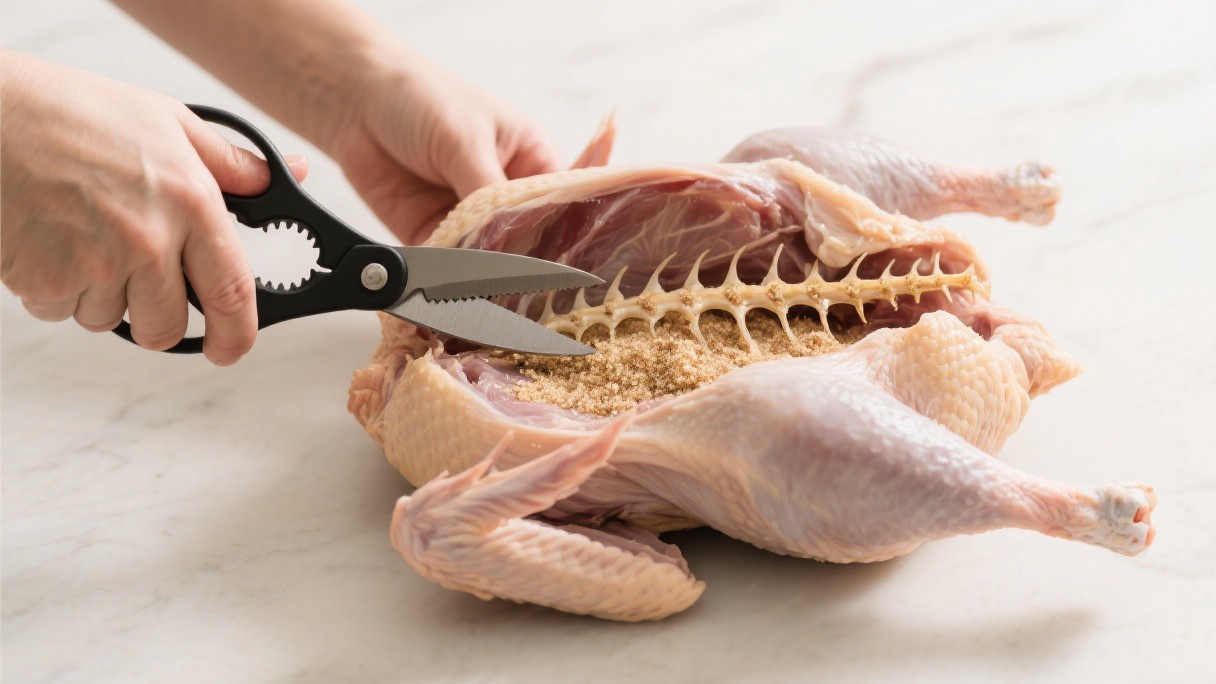
Spatchcocking—removing the turkey's backbone and flattening it—solves the cooking differential problem. The entire turkey cooks at the same rate when flattened, and the exposure to oven heat is more uniform. Spatchcocked turkey roasts in about 60-75 minutes total and has incredibly crispy skin because it lays flat.
Branine for Moisture
Brined turkey is supremely juicy; unbrined turkey is notoriously dry. Wet brine (salt water with aromatics) for 24-48 hours, or dry brine for 2-3 days. The salt penetrates and helps cells hold moisture during roasting. Even a simple dry brine (salt and pepper under the skin) makes significant difference.
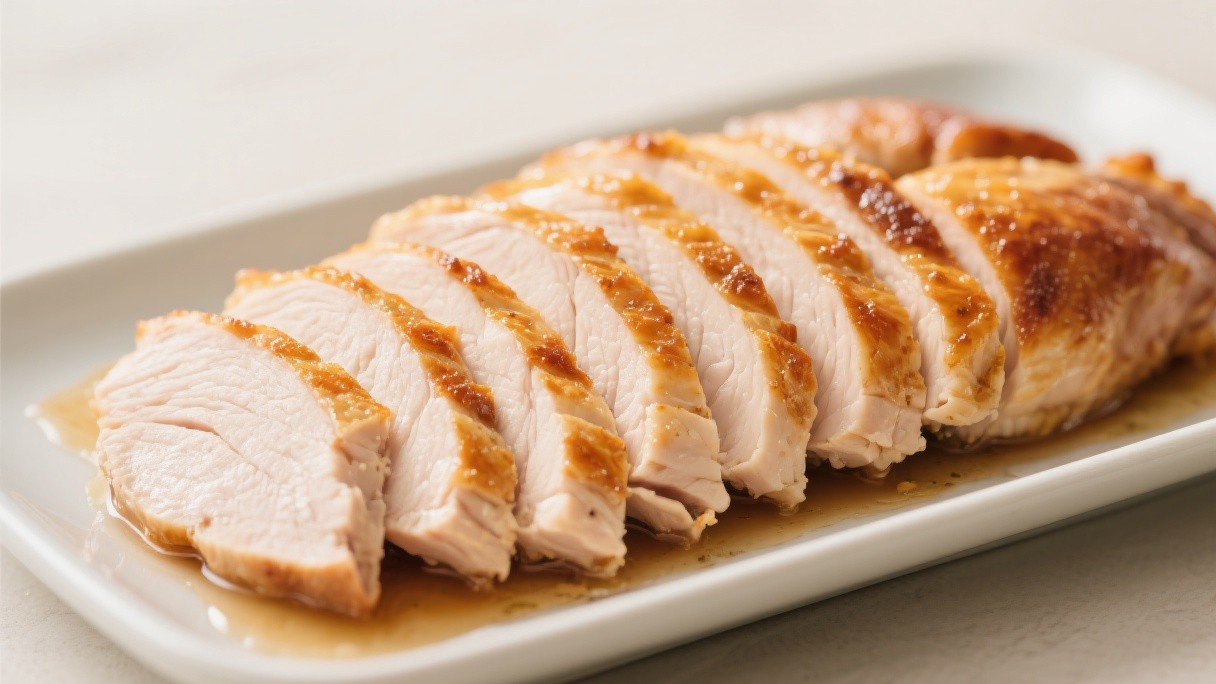
📷 Carved turkey platter
After roasting, let turkey rest, then remove legs and thighs first (they cook slower). Separate thigh from drumstick. Slice breast meat against the grain. Arrange on platter and serve immediately. With proper technique, your turkey will be the star of the meal, not a source of anxiety.
The Spatchcock Method
Removing the backbone and flattened the bird, creating even thickness for uniform cooking. This technique reduces cooking time by half and produces crispy skin over the entire surface. The turkeys have never been better.
Gravy Perfection
Making gravy from drippings, deglazing the pan with white wine and stock. The result is rich and complex, nothing like the pale, thin gravies of the childhood. This sauce has become as anticipated as the meat itself.
Dry Brining for Superior Results
Dry brining a turkey involves rubbing the entire bird, inside and out, with kosher salt and letting it rest uncovered in the refrigerator for twenty-four to forty-eight hours before roasting. The salt draws moisture to the surface, which dissolves the salt and creates a natural brine that is reabsorbed deep into the meat. The uncovered resting period also dries the skin, which is essential for achieving a crispy, golden-brown exterior.
This method eliminates the hassle of wet brining, produces crispier skin, and results in more evenly seasoned meat from surface to bone.
Temperature Monitoring and Resting
A reliable instant-read thermometer is the most important tool for roasting a perfect turkey. The breast should reach 160 degrees Fahrenheit and the thigh 175 degrees, as dark meat requires a higher temperature to break down connective tissue and become tender. The breast will continue cooking during the resting period, reaching a safe 165 degrees. Resting the turkey for at least thirty minutes, tented loosely with foil, allows the juices to redistribute throughout the meat.
Carving immediately after removing from the oven results in significant moisture loss and dry slices.
Brining Solutions and Ratios
The basic dry brine ratio is approximately one tablespoon of kosher salt per five pounds of turkey, though this can be adjusted to taste. For a wet brine, the ratio is one cup of kosher salt to one gallon of water, with optional additions like sugar, aromatics, and citrus. The turkey should be completely submerged in the wet brine and refrigerated for twelve to twenty-four hours. After brining, the turkey must be rinsed thoroughly and patted completely dry before cooking.
For dry brining, the salt is rubbed directly onto the turkey, which is then left uncovered in the refrigerator. Both methods produce superior results compared to unbrined turkey, but dry brining offers the advantage of crispier skin.
Carving Guide for Perfect Presentation
Carving a turkey properly ensures beautiful presentation and maximizes the amount of meat retrieved from the bird. Begin by removing the legs, cutting through the skin to expose the joint, then separating it with the knife tip. Remove the wings in a similar fashion. For the breast, make a long horizontal cut along the base of the breastbone, then slice downward following the rib cage.
Slice the breast meat against the grain at a slight angle for the most tender pieces. The thigh and drumstick can be served whole or the meat can be sliced from the bone. A sharp, long carving knife and a sturdy fork are the essential tools for this task.
Turkey Tips
For even cooking, let the turkey come to room temperature for one hour before roasting. This helps the bird cook more evenly from edge to center.
Brining is the single most impactful step you can take before roasting a turkey. Plan ahead, keep the temperature consistent, and let the bird rest after cooking. The juiciest, most flavorful Thanksgiving turkey starts with this simple preparation.