Mastering Craft Cold Brew Coffee Techniques: A Complete Home Guide
Beverage
|
March 8, 2026
Mastering Craft Cold Brew Coffee Techniques is a craft that rewards patience and attention to detail. Whether you are a curious beginner or an experienced cook looking to refine your technique, understanding the fundamentals transforms ordinary ingredients into something remarkable. The journey from raw materials to finished dish involves specific steps that, once mastered, become second nature.
Grind Size and Water Temperature
Hot water extracts quickly but also pulls out bitter oils and acids that give coffee its harsh edge. Cold water takes 12-24 hours but selectively extracts sugars and acids, leaving behind much of the bitterness. This produces a concentrate that's naturally sweeter and smoother, with a creamy body hot methods can't match.
The Grind Size Matters
Unlike pour-over or espresso, cold brew requires a coarse, uneven grind. Think coarse sea salt texture. Finer grinds extract faster but risk over-extraction even in cold water, leading to bitter, murky concentrate. A good burr grinder with a coarse setting produces consistent results. Avoid blade grinders, which create a mix of powder and chunks.
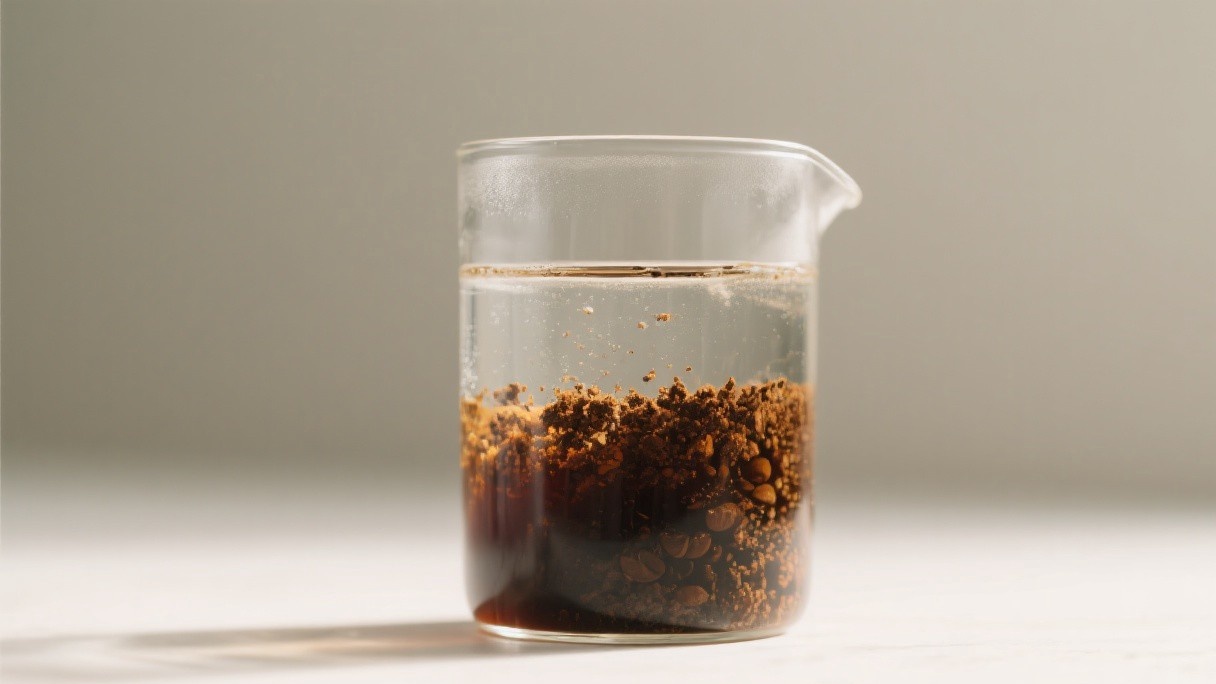
📷 Cold brew coffee in glass
Getting Ratio Right
Start with a 1:5 ratio of coffee to water (by weight) for concentrate. This means 100 grams of coffee to 500ml of water. Some prefer 1:4 for extra strength, others 1:8 for milder concentrate. Adjust based on your taste and how you plan to dilute. Use filtered water for best flavor—chlorine and other impurities affect the final taste.
Steeping and Filtering
Combine grounds and cold water in a jar, stir to saturate all grounds, then cover and refrigerate. Let steep for 16-18 hours for balanced flavor—longer for stronger, potentially more bitter results. When done, filter through a paper filter or cheesecloth to remove grounds. The concentrate keeps refrigerated for up to two weeks.
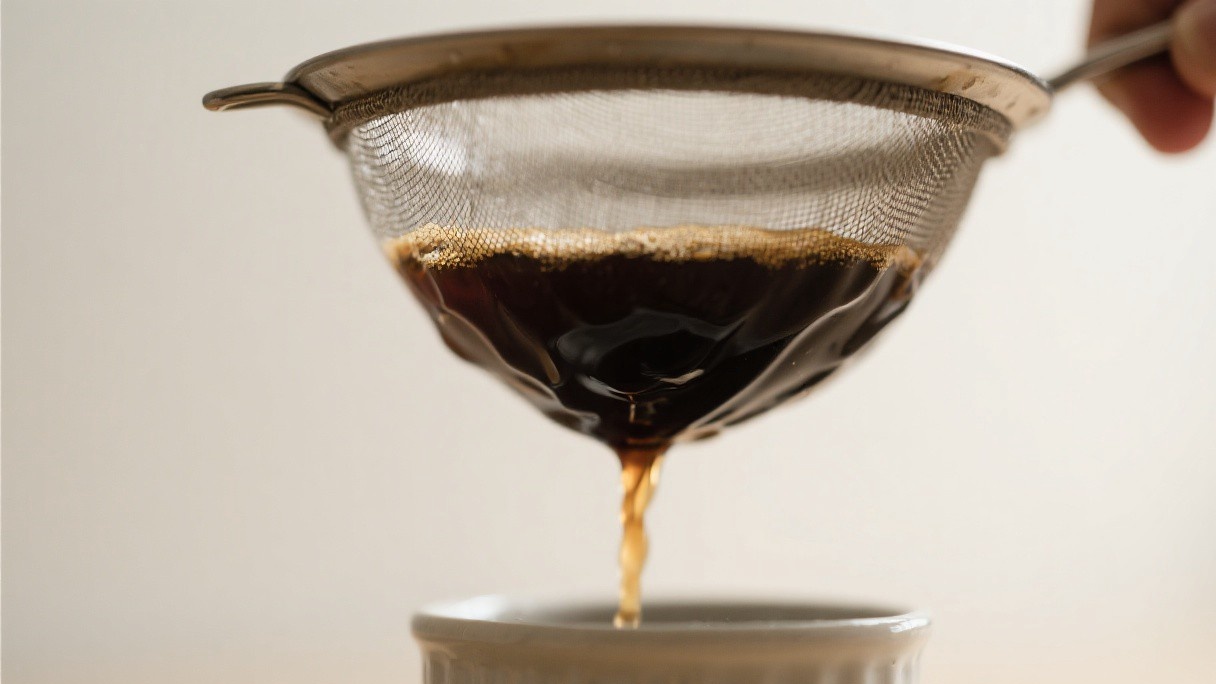
📷 Filtering cold brew coffee
Serve cold brew diluted 1:1 with water or milk, over ice, or as a base for lattes and desserts. The concentrated form is incredibly versatile—a drizzle over vanilla ice cream or mixed into marinades creates unexpected deliciousness.
Bean Selection
I tested dozens of beans before finding my preference—medium roast, single origin, freshly ground. Dark roasts became bitter; light roasts too acidic. The sweet spot was Ethiopian or Colombian beans, roasted within two weeks of brewing.
Serving Methods I Enjoy
I keep my concentrate in a glass bottle, ready for various preparations. Over ice with a splash of oat milk for breakfast. Mixed with tonic water and orange peel for an afternoon refresher. The versatility of cold brew surprised me—it's not just for mornings.
Grind Size and Coffee-to-Water Ratio
I have found that the ideal cold brew ratio is one part coarsely ground coffee to eight parts water by weight. A coarse grind, similar to raw sugar in texture, prevents over-extraction and produces a clean, smooth cup. I learned the hard way that finer grinds release bitter compounds and create a muddy, harsh result that no amount of dilution can fix.
After testing ratios from 1:4 to 1:12, I settled on 1:8, which produces a concentrate that is flavorful enough to enjoy over ice without becoming diluted as the ice melts.
Flavoring and Serving Ideas
I use cold brew as an excellent base for creative coffee beverages. A splash of vanilla extract or a cinnamon stick added during steeping introduces warm spice notes. For a Vietnamese-inspired twist, I mix the finished cold brew with sweetened condensed milk over ice. I also enjoy blending cold brew with a scoop of vanilla ice cream for an indulgent coffee float.
The concentrate keeps refrigerated for up to two weeks, making it easy to have quality cold coffee ready whenever the craving strikes.
Cold Brew vs. Iced Coffee
Cold brew and iced coffee are fundamentally different beverages despite their similar appearance. Iced coffee is simply hot-brewed coffee poured over ice, which can produce a drink that is acidic, bitter, and diluted as the ice melts. Cold brew, by contrast, uses time rather than heat to extract flavor, resulting in a naturally sweet, smooth, and low-acid beverage.
The extended steeping time extracts different flavor compounds than hot water, emphasizing chocolate, caramel, and nutty notes while minimizing the bitter compounds that hot water releases. For those with acid sensitivity, cold brew is often the more comfortable choice.
Scaling Cold Brew for Events
Cold brew scales exceptionally well for parties and gatherings. A one-gallon batch requires approximately one pound of coarsely ground coffee and eight pounds of water, which yields roughly twelve to fifteen servings. The entire batch can be steeped in a large food-safe container or a dedicated cold brew system. After steeping for twelve to eighteen hours, strain through a fine-mesh sieve lined with cheesecloth or a coffee filter.
The resulting concentrate can be diluted with water or milk to individual preference and served over ice with a self-serve garnish station featuring cinnamon, vanilla, and cream options.
Sustainability and Coffee Sourcing
Choosing ethically sourced coffee beans for cold brew adds a meaningful dimension to the brewing process. Look for certifications such as Fair Trade, Rainforest Alliance, or direct trade relationships that ensure farmers receive fair compensation. Single-origin beans from countries like Colombia, Ethiopia, and Guatemala each bring distinct flavor profiles to cold brew. Lighter roasts tend to produce brighter, fruitier cold brew, while darker roasts yield deeper, more chocolate-forward results.
Understanding the origin and roasting process of the beans enhances both the brewing experience and the final cup.
Once you have made this a few times, the process becomes meditative rather than stressful. You will start noticing small details, adjusting intuitively, and developing your own signature touches. That is when cooking stops being a chore and becomes something you actually look forward to.