From Market to Mortar: Crafting Authentic Thai Curry Paste at Home
Recipe
|
March 8, 2026
There is a reason Market to Mortar has endured as a beloved tradition across cultures. When done right, the results far surpass anything store-bought or restaurant-made. The secret lies in understanding a few core principles and applying them consistently. With the right approach, you can achieve professional-quality results in your own kitchen.
Sourcing Authentic Ingredients
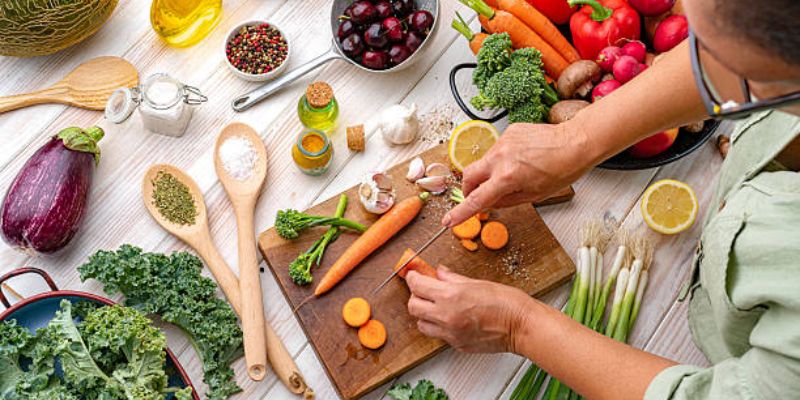
Fresh ingredients make all the difference. Seek out fresh galangal (not ginger), kaffir lime leaves, and Thai chilies. Shrimp paste adds umami depth that's difficult to replicate. Many Asian markets carry these ingredients, or you can find them online. The effort to source proper ingredients pays dividends in the final dish.
The Pounding Technique
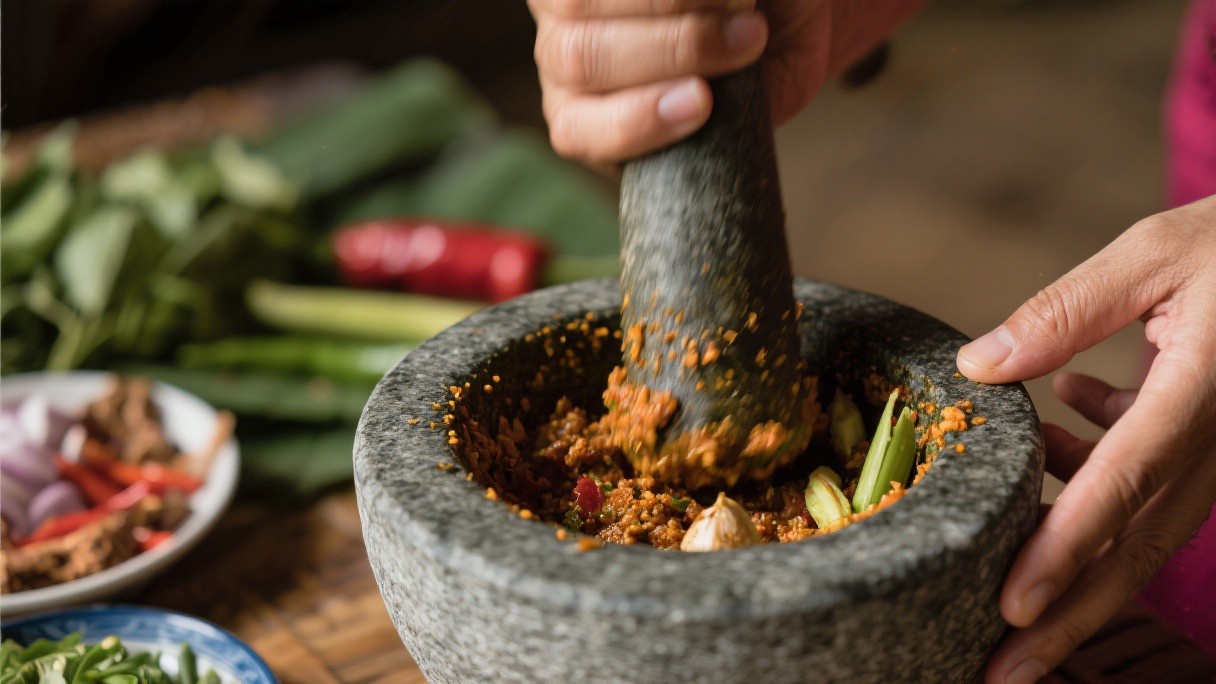
A granite mortar and pestle is traditional for a reason—the rough surface helps break down fibrous ingredients. Work from hardest to softest: start with dried spices, then add galangal and lemongrass, followed by shallots and garlic, and finally fresh chilies and herbs. Pound each ingredient until completely broken down before adding the next.
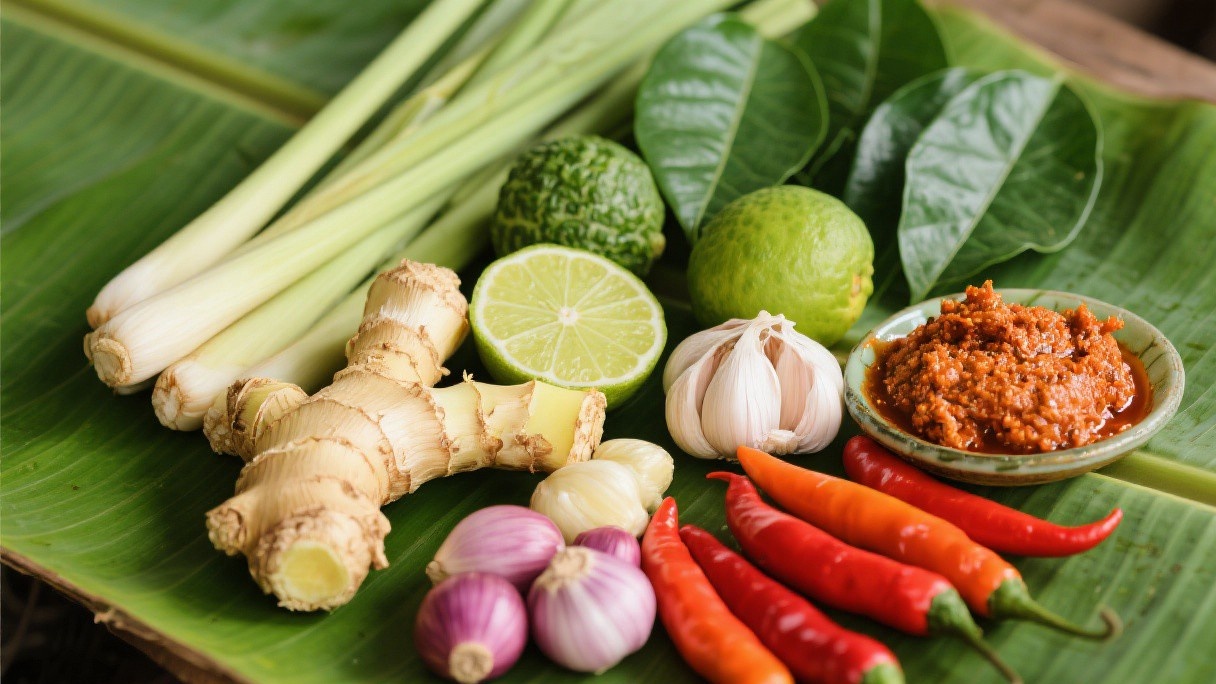
📷 Thai curry paste ingredients
Balancing the Flavors
Thai cuisine is all about balance—hot, sour, salty, and sweet. A good curry paste should have heat from chilies, brightness from lemongrass and lime, depth from shrimp paste, and sweetness from palm sugar. Taste as you go and adjust. There's no single "right" formula; preferences vary by region and individual cook.
Storage and Usage
Fresh curry paste keeps for about a week refrigerated or several months frozen. Freeze in ice cube trays for convenient portions. When cooking, fry the paste in coconut cream (the thick part from the top of the can) until fragrant and the oil separates. This blooms the flavors before adding remaining coconut milk and protein.
📷 Cooking Thai curry
The difference between homemade and store-bought curry paste is night and day. Once you've tasted the vibrant, complex flavors of paste made from scratch, there's no going back.
Ingredient Hunt
Finding authentic ingredients became a weekly practice. I visited Asian markets, questioned shopkeepers, and ordered specialty items online. Fresh galangal, kaffir lime leaves, and proper Thai chilies
Technique Refinement
I learned to fry my paste until the oil separates, a sign that the aromatics have fully released their flavors. This step can't be rushed—patience here pays dividends in the final dish. The kitchen fills with fragrance, signaling that I'm on the right track.
Regional Curry Paste Variations
Thailand boasts a remarkable diversity of curry pastes, each reflecting its region of origin. Green curry paste from Central Thailand uses fresh green chilies, while southern yellow curry paste incorporates turmeric and cardamom for a warmer, more aromatic profile. Massaman curry paste from the south near Malaysia includes roasted spices like cinnamon, cloves, and nutmeg, reflecting Indian and Malay culinary influences. Understanding these regional differences opens up a world of flavor possibilities for home cooks.
Cooking with Your Homemade Paste
The most common error in technique when using homemade curry paste is adding it directly to coconut milk without proper blooming. Instead, heat a wok or heavy pot over medium-high heat and add the paste to the thick cream that rises to the top of a chilled can of coconut milk. Stir vigorously until the paste is fragrant and the oil begins to separate, which takes about three to five minutes.
This crucial step releases the essential oils from the aromatics and creates a flavor base that permeates the entire dish.
Preserving and Freezing Techniques
Homemade curry paste can be preserved in several ways to extend its shelf life and ensure a constant supply. Portioning the paste into ice cube trays and freezing creates convenient single-use portions that thaw quickly. Alternatively, the paste can be packed into small glass jars and covered with a thin layer of oil, which seals out air and preserves freshness for up to two weeks in the refrigerator.
For longer storage, vacuum-sealing individual portions and freezing maintains the vibrant color and fresh flavor for up to six months. These preservation methods make it practical to prepare large batches during peak ingredient season.
Health Benefits of Traditional Curry Ingredients
The ingredients in traditional Thai curry paste offer significant health benefits beyond their culinary appeal. Galangal contains anti-inflammatory compounds called gingerols that aid digestion and reduce nausea. Lemongrass has antimicrobial properties and may help lower cholesterol. Kaffir lime leaves are rich in antioxidants, while chilies contain capsaicin, which boosts metabolism and releases endorphins. Turmeric, used in yellow curry pastes, contains curcumin, a powerful anti-inflammatory compound.
Using fresh, whole ingredients rather than pre-made pastes maximizes these health benefits while delivering superior flavor.
Pairing Curry Paste with Proteins
Different curry pastes pair best with specific proteins, and understanding these combinations elevates the final dish. Green curry paste shines with chicken, seafood, and vegetable-based curries, where its bright, herbaceous character complements lighter proteins. Red curry paste, with its deeper, warmer flavor, pairs beautifully with beef, duck, and lamb. Panang curry paste, thicker and richer than other varieties, is exceptional with pork and beef.
Massaman paste, with its Indian-influenced spice profile, creates the most memorable results with beef or chicken simmered until fork-tender with potatoes and onions.
Start with the simplest version and refine from there. Each attempt builds muscle memory and deepens your understanding of how the ingredients interact. Within a few sessions, you will develop an intuitive sense for timing and technique that no recipe alone can teach.