Neapolitan-Style Pizza Dough: Achieving Pizzeria Quality at Home
Recipe
|
March 10, 2026
There is a reason Neapolitan-Style Pizza Dough has endured as a beloved tradition across cultures. When done right, the results far surpass anything store-bought or restaurant-made. The secret lies in understanding a few core principles and applying them consistently. With the right approach, you can achieve professional-quality results in your own kitchen.
Hydration Matters
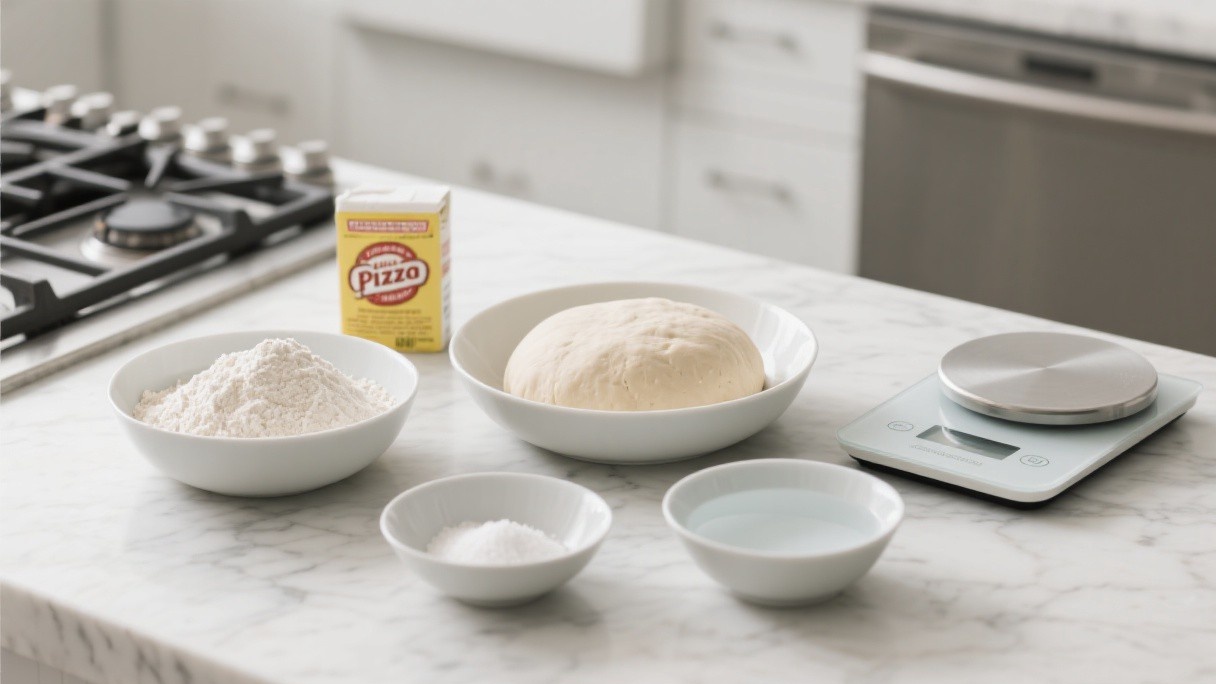
Neapolitan pizza dough typically uses 60-65% hydration (water relative to flour weight). Higher hydration creates a more open crumb structure but makes the dough trickier to handle. For beginners, start at 60% and work your way up as you develop your stretching technique.
The Long Cold Ferment
Time is the secret ingredient that separates good pizza from great pizza. A 24-72 hour cold fermentation in the refrigerator develops complex flavors and improves digestibility. The dough becomes more extensible and easier to shape, while enzymes break down starches into simpler sugars that brown beautifully in the oven.
📷 Neapolitan pizza with charred crust
Shaping Technique
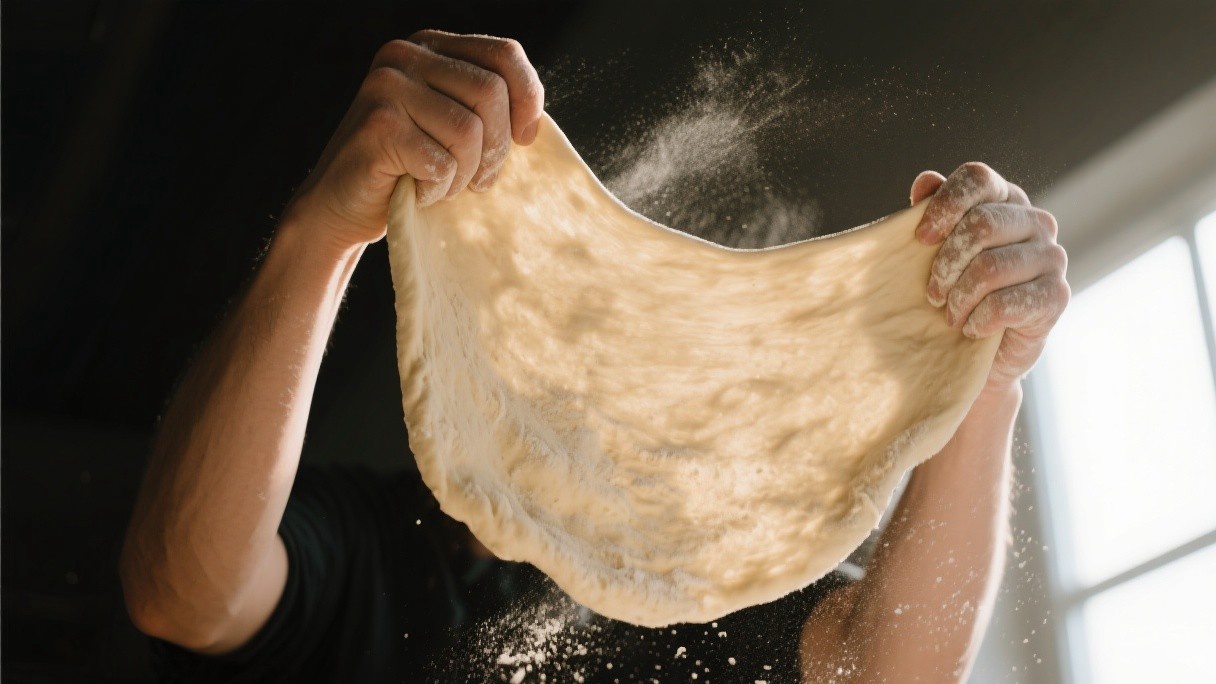
Never use a rolling pin—that expels the gas bubbles that create the airy cornicione. Instead, use your fingertips to press the dough from the center outward, leaving the edge untouched. Then, using the backs of your hands, gently stretch and rotate until you achieve a 10-12 inch round.
High Heat is Essential
True Neapolitan pizza bakes at 900°F+ in 60-90 seconds. Home ovens max out around 550°F, so we need workarounds. A pizza steel or stone preheated for at least an hour conducts heat efficiently. Use the broiler during the last minute to achieve those characteristic leopard spots on the crust.
📷 Stretching pizza dough by hand
Less is more for toppings. San Marzano tomatoes, fresh mozzarella, basil, and good olive oil let the crust remain the star. After all, you've put days of work into that dough—don't hide it under a mountain of ingredients.
Oven Setup
I tried every method—pizza stones, steel plates, even a modified outdoor grill. The breakthrough came with a baking steel preheated for an hour, creating the intense bottom heat that mimics a wood-fired oven. My home pizzas now have that leopard-spotted crust I once thought impossible.
Toppings I've Tested
I experimented with dozens of combinations, learning that restraint is key. Too many toppings make pizza soggy; too few leave it boring. The perfect balance is three to four quality ingredients that complement rather than compete.
Flour and Yeast Choices
I have found that Caputo Pizzeria flour is the gold standard for Neapolitan pizza, with its finely milled, protein-rich composition that handles high hydration beautifully. Fresh yeast provides a more complex flavor than instant dry yeast, though both work well. When I use instant yeast, a mere quarter teaspoon for a 500-gram flour batch is sufficient for a long cold ferment. The extended rise develops flavors that compensate for the tiny amount of yeast.
Sauce and Topping Philosophy
I always use San Marzano tomatoes, grown in the volcanic soil near Mount Vesuvius, which are sweeter and less acidic than standard canned tomatoes. For the simplest and most authentic sauce, I crush them by hand directly into a bowl, adding only a pinch of salt. No cooking required.
For mozzarella, I have learned that low-moisture blocks work better than fresh for home ovens, since fresh mozzarella releases too much water and makes the crust soggy under typical home baking conditions.
Alternative Flours and Dietary Options
Neapolitan pizza dough can be adapted for various dietary needs without sacrificing quality. A blend of bread flour and gluten-free flour mix, combined with a small amount of xanthan gum, produces a surprisingly good gluten-free crust. Whole wheat flour can replace up to thirty percent of the bread flour for added nutrition and a nuttier flavor. Sourdough starter can replace commercial yeast entirely, creating a naturally leavened crust with more complex flavor and better digestibility.
These adaptations require slight adjustments to hydration and fermentation time but produce results that rival the traditional version.
Building Your Pizza Station
Setting up an efficient workspace makes the pizza-making process smoother and more enjoyable. A wooden pizza peel dusted with semolina flour prevents sticking and helps the pizza slide easily onto the hot stone or steel. Keep all toppings prepped and arranged in small bowls within arm's reach, as the window between stretching the dough and loading the oven is narrow.
A pair of long-handled tongs and a metal pizza peel for retrieving the finished pizza from the oven are essential tools. Organizing the station before starting allows the cook to focus on technique rather than searching for ingredients during the critical moments.
Common Mistakes and How to Avoid Them
The most frequent pizza-making mistakes are easily preventable with awareness. Using too much flour when stretching makes the dough tough and dry. Overloading toppings prevents the crust from cooking properly and makes the pizza soggy in the center. Opening the oven door too frequently drops the temperature and extends the baking time. Not preheating the stone or steel long enough results in a pale, undercooked bottom crust.
Learning from these common errors and adjusting technique accordingly dramatically improves results, often more than any single recipe change.
Temperature, timing, and ingredient quality are the three pillars that hold everything together. Master those, and variations become easy. Try different combinations, adjust seasonings to your preference, and make the recipe your own. That is how personal cooking traditions are born.