Master Classic French Macaron Techniques: The Science Behind Perfect Shells
Dessert
|
February 27, 2026
Understanding Master Classic French Macaron Techniques opens up a world of culinary possibilities that most home cooks never explore. The difference between average results and exceptional ones comes down to a handful of key techniques, the right ingredients, and a willingness to practice. This guide covers everything you need to know to get started and improve with each attempt.
Achieving the Right Batter Consistency
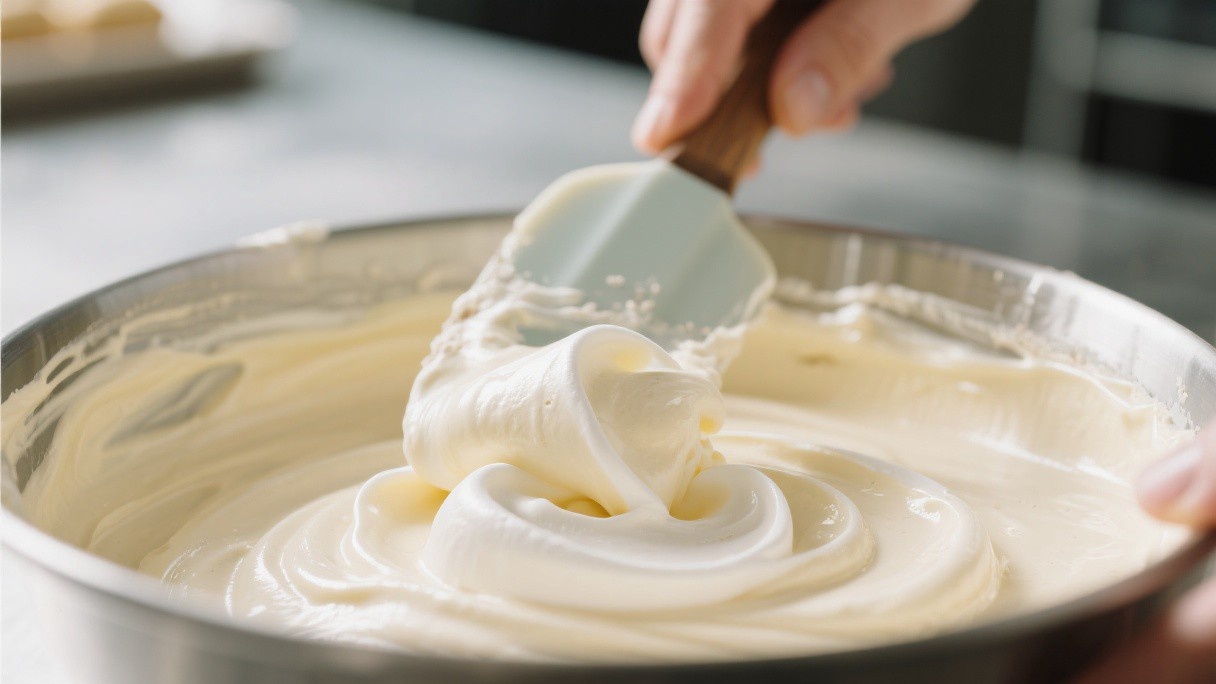
Macaronage—the process of folding almond flour mixture into whipped egg whites—is where macaron success is determined. Undermixing creates peaked mounds with no feet; overmixing creates flat discs that spread. The perfect batter flows like molten lava when dropped, and the peaks slowly settle back into smooth surface within 10 seconds.
The Critical Rest
Freshly piped macarons must rest before baking—30 minutes to an hour depending on humidity. This allows the surface to dry and form a skin that enables feet development. Touch the piped macaron gently; if no batter sticks to your finger, it's ready. Skipping this step means no feet, no matter how perfect your batter.
📷 French macarons in various colors
Temperature and Timing
Macarons bake at 300-325°F, never higher. The low temperature dries the shell while allowing the foot to develop from trapped air expansion. Convection ovens work best for even browning. The entire process—resting, baking, cooling—must be respected; rushing any step compromises results.
The Tasting Test
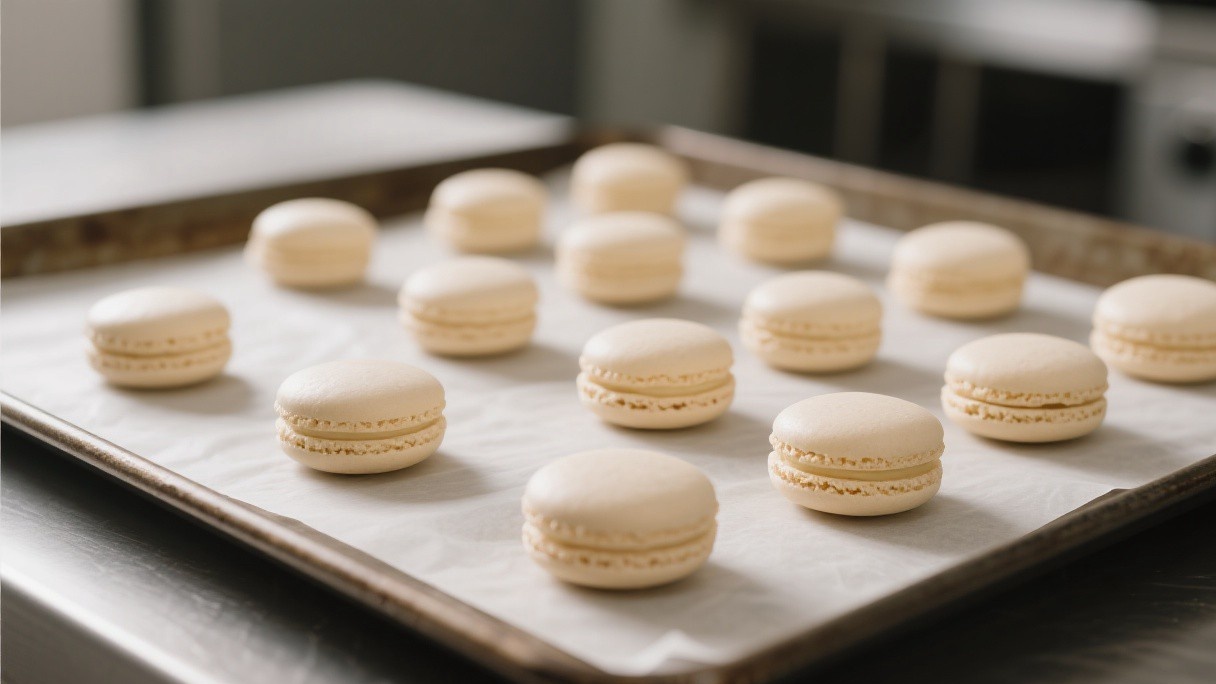
Perfect macarons have crisp shells that give way to a chewy interior—not soft or gooey, but with a slight resistance. The foot (the ruffled base) should be delicate and airy. Between the shells, a thin layer of ganache or buttercream adds richness without overwhelming. After proper aging and resting, the flavors meld and improve over 24-48 hours.
📷 Macaron cross section showing feet
Macaron success requires patience, precision, and acceptance of imperfection. Even master patissiers have off batches. Celebrate the edible issuess—they teach more than the perfect ones ever could.
Filling Experiments
Once I mastered shells, I turned to fillings—ganaches, curds, and buttercreams. The filling must complement the shell, not overwhelm it. I've learned restraint, letting the delicate almond flavor shine through rather than masking it with heavy flavors.
Presentation Matters
I invested in proper packaging for gifting, understanding that macarons are as much visual as gustatory. The right box, the careful arrangement, the professional appearance—these details elevate homemade macarons to bakery quality.
Mastering the Macaronage
The folding process, known as macaronage, is the most critical and difficult step in macaron making. After combining the almond flour mixture with the meringue, I fold the batter until it flows like lava from the spatula. I have learned that under-folded batter produces peaked, lumpy shells with no feet, while over-folded batter spreads too thin and never develops the characteristic ruffled foot.
I count my folds and test the consistency every few strokes by drawing a figure-eight with the batter. When the ribbon disappears back into the mass within ten seconds, I know the macaronage is complete.
Filling Selection and Assembly
The filling is where I let my creativity truly shine in macaron making. I love using classic buttercream made with Swiss or Italian meringue, which provides a stable, smooth filling that pairs well with any shell flavor. Ganache fillings, made from chocolate and cream, offer a rich, intense contrast. Fruit curds add bright acidity that cuts through the sweetness of the shells. I always let the filling reach room temperature before piping, and I pipe it generously.
The assembled macarons need at least twenty-four hours in the refrigerator to mature, allowing the filling to soften the interior of the shell.
Coloring Macaron Shells
Achieving vibrant, consistent colors in macaron shells requires understanding how food coloring interacts with the batter. Gel food colors are strongly preferred over liquid, as liquid adds unwanted moisture that can alter the batter consistency. A tiny amount of gel color goes a long way, and the color intensifies during baking. Natural colorings like matcha powder, cocoa powder, and freeze-dried fruit powders can be folded into the Italian meringue for subtle, elegant hues.
For the most vivid results, add the color to the egg whites before whipping. Avoid oil-based colors, which can prevent the meringue from reaching full volume.
Baking Environment and Troubleshooting
Macarons are notoriously sensitive to their baking environment, and small adjustments can make the difference between success and failure. Humidity is the enemy of macaron making, as excess moisture in the air prevents the shells from forming their characteristic skin. On humid days, running a dehumidifier or using the oven's convection setting can help. Oven temperature accuracy is critical, and an oven thermometer should be used to verify the actual temperature versus the dial setting.
If macarons consistently crack, the oven may be too hot or the resting time too short. Hollow shells indicate under-mixed batter or insufficient resting time.
Macaron Filling Ideas
The filling possibilities for macarons are virtually endless, limited only by creativity and flavor pairing instincts. Classic combinations include dark chocolate ganache, raspberry buttercream, and salted caramel. More adventurous options like lavender white chocolate, pistachio cream, and passion fruit curd offer sophisticated flavor experiences. For a savory-sweet contrast, brown butter and sage filling pairs surprisingly well with a vanilla shell. Seasonal fillings like pumpkin spice, peppermint, and lemon berry keep the macaron repertoire fresh throughout the year.
The filling should always complement rather than compete with the shell flavor.
Keep your ingredients fresh and your workspace organized before you begin. Preparation matters more than fancy tools or expensive components. When everything is measured and within reach, the actual cooking becomes enjoyable rather than frantic, and the results show in every bite.