French Crepe Batter Mastery: The Art of Creating Perfectly Thin, Tender Crepes
Dessert
|
February 24, 2026
Understanding French Crepe Batter Mastery opens up a world of culinary possibilities that most home cooks never explore. The difference between average results and exceptional ones comes down to a handful of key techniques, the right ingredients, and a willingness to practice. This guide covers everything you need to know to get started and improve with each attempt.
The Essential Rest
Crepe batter needs time to hydrate fully. Resting allows flour particles to absorb liquid and gluten to relax, resulting in more tender, pliable crepes. Refrigerate batter for at least 1 hour, preferably overnight. The batter should be thin—pouring consistency like heavy cream. If too thick, add milk a tablespoon at a time.
The Pan and Temperature
A true crepe pan (billig) is thin aluminum that heats quickly and evenly. But any flat-bottomed pan works. Heat until a drop of water dances and evaporates immediately—that's the signal to add butter and batter. Too cool and the crepe tears; too hot and it sets before spreading.
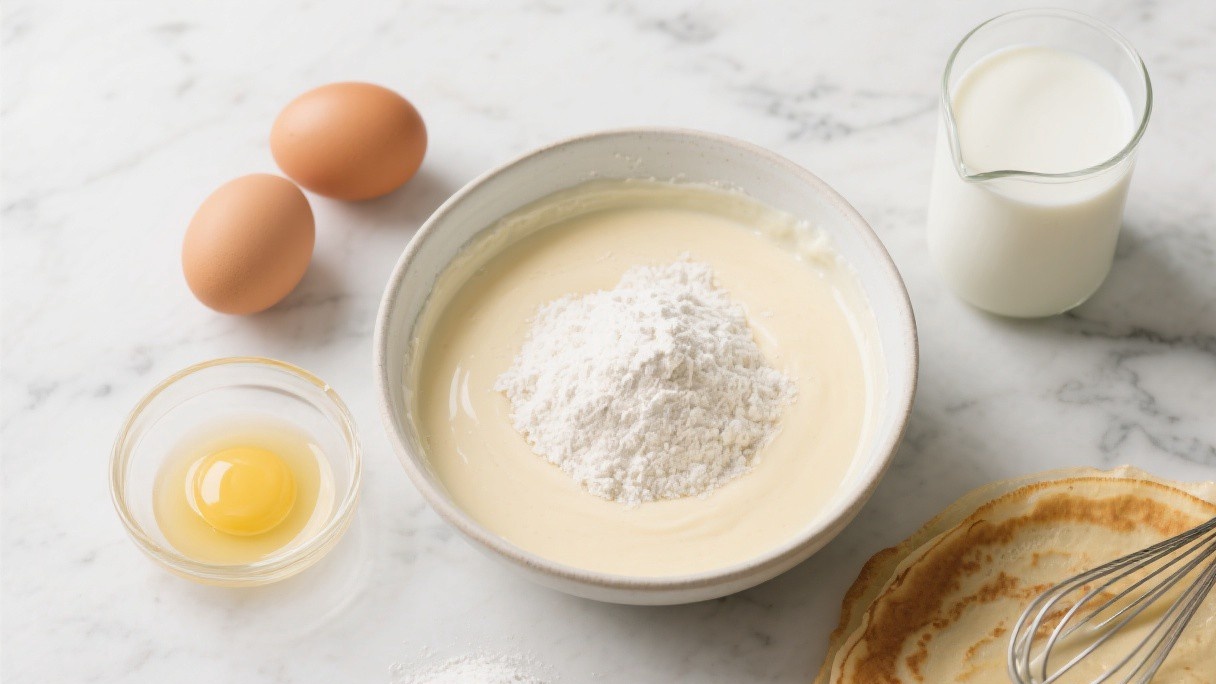
📷 Thin French crepes with fruit
The Pouring Technique
Pour batter into the pan's center, then immediately tilt and rotate to spread thin. Use just enough batter to coat—too much creates thick, rubbery crepes. The ideal is translucent thinness where you can almost read through it. Pour excess batter back into the bowl.
The Flip
Wait until edges lift and the surface appears dry (about 1 minute). Flip with a sharp spatula and cook 30 seconds on the second side. Repetition builds skill; the first few crepes usually fail. Stack finished crepes on a plate—they'll stick together slightly, which is traditional for serving.
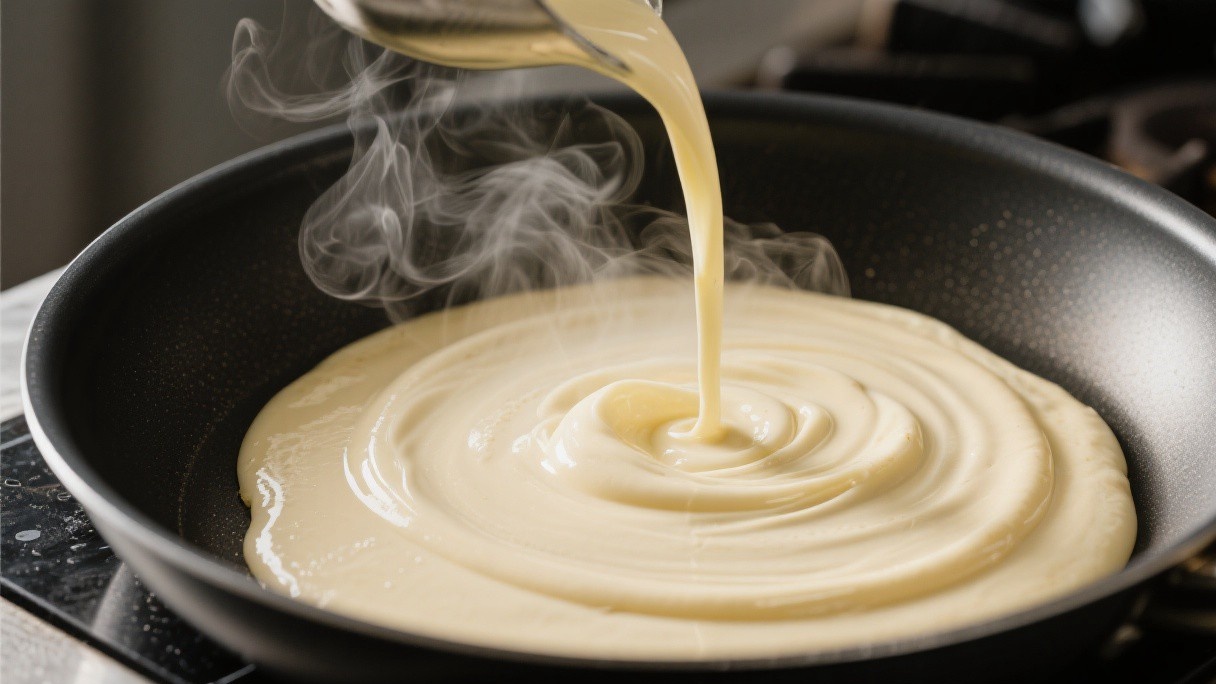
📷 Spreading crepe batter in pan
Crepes accept both sweet and savory fillings. For dessert, fill with Nutella, fresh fruit, or simple sugar and lemon. For savory, try ham and cheese or mushroom and gruyère. The wrapper is neutral, the filling is the star.
Pan Seasoning
I dedicated a specific pan to crepes, seasoning it carefully until it became virtually non-stick. This pan never sees soap, only a quick wipe with oil after each use. The accumulated seasoning creates the perfect surface for paper-thin crepes.
Sweet and Savory
I make both versions, adjusting the batter slightly for each. Sweet crepes get a touch of sugar and vanilla; savory ones incorporate herbs or buckwheat flour. This versatility makes crepes a regular feature in my kitchen.
Achieving the Perfect Batter Consistency
I have learned that the ideal crepe batter should be thinner than pancake batter, approximately the consistency of heavy cream. This thinness is what allows the batter to spread into a paper-thin layer in the pan. I always let my batter rest for at least one hour in the refrigerator, which relaxes the gluten and allows the flour to fully absorb the liquid. This resting period is non-negotiable and is the difference between tender, delicate crepes and rubbery, tough ones.
I add a pinch of salt and a splash of vanilla extract to my batter to enhance the overall flavor.
Savory and Sweet Filling Ideas
I find crepes remarkably versatile and enjoy preparing both sweet and savory fillings. For a classic savory crepe, I fill with a mixture of sauteed mushrooms, spinach, and Gruyere cheese, then fold into triangles and bake until golden. Ham and gruyere create a simplified croque-monsieur crepe that I love. On the sweet side, Nutella and sliced bananas are a perennial favorite of mine, while lemon juice and sugar offer a simple, elegant option.
Crepes Suzette, flamed with orange liqueur, provide a dramatic showpiece dessert for special occasions.
Gluten-Free and Alternative Crepe Options
Crepes can be made gluten-free with simple flour substitutions that maintain the tender texture. A blend of rice flour and tapioca starch produces a pliable, delicate crepe that behaves similarly to the wheat-based version. Buckwheat flour creates galettes, the savory Breton crepes that are naturally gluten-free and have a distinctive nutty flavor. For a grain-free option, a batter made from almond flour and eggs produces a protein-rich crepe with a slightly different texture.
Each alternative requires slight adjustments to the liquid ratio and resting time, but the results are equally satisfying and allow those with gluten sensitivity to enjoy this versatile dish.
Crepes Around the World
Nearly every cuisine has its own version of the crepe, demonstrating the universal appeal of thin, filled pancakes. French crepes are the most well-known, but Ethiopian injera serves a similar function as a vessel for stews and salads. Russian blini, made with buckwheat flour, are served with caviar, sour cream, and smoked fish. Chinese egg pancakes are used to wrap Peking duck and hoisin sauce. Mexican tortillas, while thicker, serve a similar purpose as a base for various fillings.
Exploring these international variations reveals the crepe's remarkable versatility and its importance in global culinary traditions.
Crepes for Entertaining
Crepes are an ideal dish for entertaining because they can be prepared entirely in advance and assembled at the last minute. The batter rests best when made a day ahead, and cooked crepes can be stacked with wax paper between layers and refrigerated for up to three days or frozen for up to two months. Setting up a crepe bar with various fillings and toppings allows guests to customize their own creations, making the meal interactive and engaging.
Both sweet and savory options should be provided to accommodate different preferences. This make-ahead quality makes crepes a stress-free yet impressive option for brunches, dinner parties, and holiday gatherings.
Set realistic expectations for your first attempt and focus on learning rather than perfection. The techniques described here are forgiving by nature, so even missteps produce edible results. With each repetition, your timing improves, your palate sharpens, and your confidence grows.