Craft Cocktail Mixing Fundamentals: Essential Techniques for Home Bartenders
Beverage
|
February 26, 2026
Ever wonder why bar cocktails taste better than what you make at home? The difference isn't just better spirits—it's understanding balance and technique.
The Building Method
The simplest technique, building means adding ingredients directly to the serving glass (usually over ice) and stirring. Highballs like gin and tonic or rum and Coke use this method. Fill the glass with ice, add spirits, add mixer, stir briefly, and garnish. Using enough ice to chill and dilute properly without over-diluting.
The Stirring Method
Clear, spirit-forward cocktails like Manhattans, Martinis, and Negronis need stirring, not shaking. Stirring chills the drink while preserving clarity and texture—you want dilution without aeration. Use a mixing glass filled with ice, stir 30-40 times until properly chilled, and strain into a coupe or rocks glass. The motion should feel meditative, not rushed.
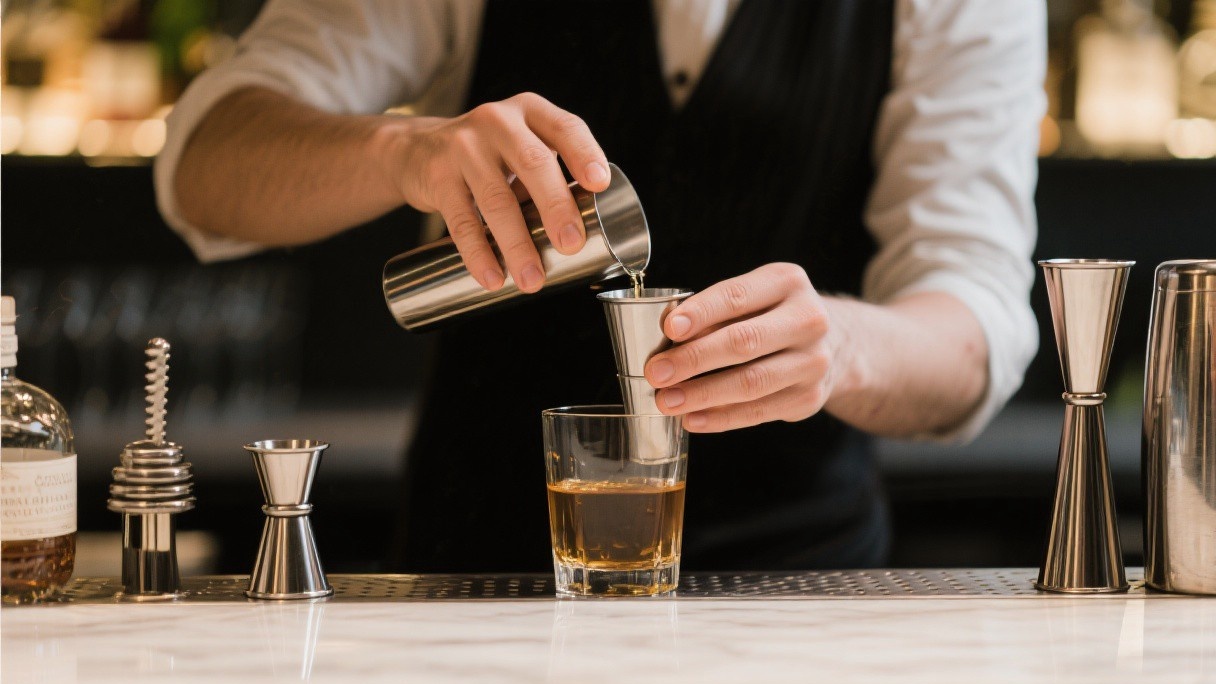
📷 Craft cocktail ingredients and tools
The Shaking Method
Shaking introduces air and creates texture—essential for cocktails containing citrus, eggs, or dairy. Fill a shaker tin with ice, add ingredients, seal, and shake vigorously for 10-15 seconds. The vigorous shaking chills rapidly and adds dilution while incorporating air for a frothy texture. Double-strain when using egg whites or citrus to ensure smooth service.
The Floating Technique
Floating means gently pouring an ingredient on top of the drink without mixing. This creates beautiful layers—think pousse-café or elaborate garnishing. Pour over the back of a bar spoon to slow the pour and maintain separation. Layered drinks are visual art, but the technique also lets you serve drinks where ingredients shouldn't mix immediately.
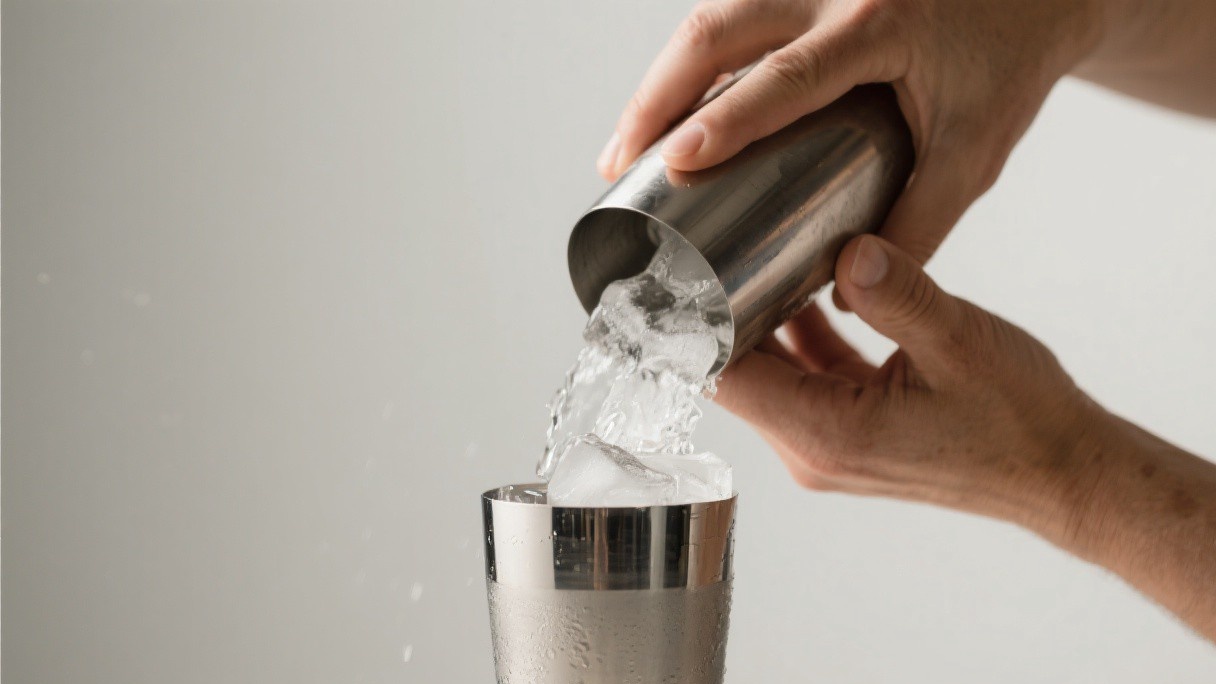
📷 Bartender pouring cocktail
Master these fundamentals and you'll understand why craft cocktails taste different from drinks made by simply mixing spirits. The technique shapes the final product profoundly—and understanding that elevates everything you create.
The Home Bar
A well-stocked home bar of spirits, bitters, and modifiers that rivals many commercial bars. Quality ingredients matter—fresh citrus, good ice, proper glassware. Each element contributes to the final drink, and cutting corners shows in the result.
Guest Reactions
Guests consistently enjoy brings genuine satisfaction. It's developed signature drinks for regular visitors, remembering their preferences and creating new variations. The home has become the gathering place, the bar everyone wants to visit.
Bar Tools and Setup
A well-equipped home bar does not require a massive investment. The essential tools include a Boston shaker or cobbler shaker, a Hawthorne strainer, a jigger for precise measuring, and a barspoon for stirring. A muddler is necessary for drinks that require gently pressing herbs and fruit. A Y-peeler is invaluable for creating citrus twists that express essential oils over the surface of finished cocktails.
Arranging these tools within easy reach and keeping them clean between uses ensures a smooth, professional workflow.
Classic Cocktails Every Home Bartender Should Master
Five foundational cocktails cover the majority of mixing techniques and flavor profiles. The Old Fashioned teaches the principle of spirit-forward balance. The Daiquiri demonstrates the importance of proper sour ratios. The Negroni illustrates bitter-sweet harmony. The Manhattan showcases whiskey vermouth synergy. The Margarita highlights the interplay of citrus, spirit, and orange liqueur. Mastering these five recipes provides the skills and confidence to improvise and create original drinks with an understanding of what makes a cocktail work.
Syrup and Mixer Fundamentals
A well-stocked home bar requires a selection of essential syrups and mixers that form the backbone of most cocktails. Simple syrup, made from equal parts sugar and water, is the most versatile and should always be available. Rich simple syrup, using a two-to-one ratio, provides sweetness with less liquid volume. Honey syrup, grenadine, and agave nectar each serve specific cocktail applications. Fresh citrus juices, particularly lemon and lime, should be squeezed daily for the best flavor.
Tonic water, ginger beer, club soda, and cola round out the mixer selection. Keeping these components fresh and readily available makes cocktail preparation efficient and enjoyable.
Glassware Selection Guide
The right glass enhances both the presentation and the drinking experience of a cocktail. A rocks glass, also called an Old Fashioned glass, is the most versatile and should be the first investment. A coupe glass, with its elegant stemmed shape, works for martinis, daiquiris, and any shaken cocktail served up. A highball glass is essential for tall drinks like the Tom Collins or mojito.
A Nick and Nora glass, smaller than a coupe, is ideal for spirit-forward cocktails served without ice. While building a complete glassware collection takes time, these four styles cover the vast majority of cocktail recipes.
Ice: The Most Important Ingredient
Ice is often the most overlooked ingredient in cocktail making, yet it profoundly affects the final result. Large, clear ice cubes melt slowly, diluting the drink minimally and maintaining the intended flavor profile. Small, cloudy ice from standard freezer trays melts quickly and can over-dilute delicate cocktails. Making clear ice at home involves a simple directional freezing technique using a small cooler inside the freezer.
Crushed ice is essential for juleps and swizzles, while shaved ice creates the texture needed for cobblers and tiki drinks. Investing time in ice quality is remarkably impactful improvements a home bartender can make.
The most important step is the first one. Gather your ingredients, set aside uninterrupted time, and commit to following the process through. Even imperfect results will taste better than anything mass-produced, and the skills you build here carry over to countless other recipes.