The Fermentation Journey: Crafting Authentic Korean Kimchi at Home
Recipe
|
March 8, 2026
Understanding Fermentation Journey opens up a world of culinary possibilities that most home cooks never explore. The difference between average results and exceptional ones comes down to a handful of key techniques, the right ingredients, and a willingness to practice. This guide covers everything you need to know to get started and improve with each attempt.
Salt Concentration and Temperature
At its core, kimchi is vegetables cured in salt, then coated with a seasoned paste and left to ferment. Napa cabbage is traditional, but Korean radish (daikon), cucumbers, and even eggplant each have their place in the kimchi canon. The seasoning paste—called kochujang-gook—varies by region and family, but typically includes gochugaru (Korean chili flakes), garlic, ginger, and fish sauce.
The Salting Process
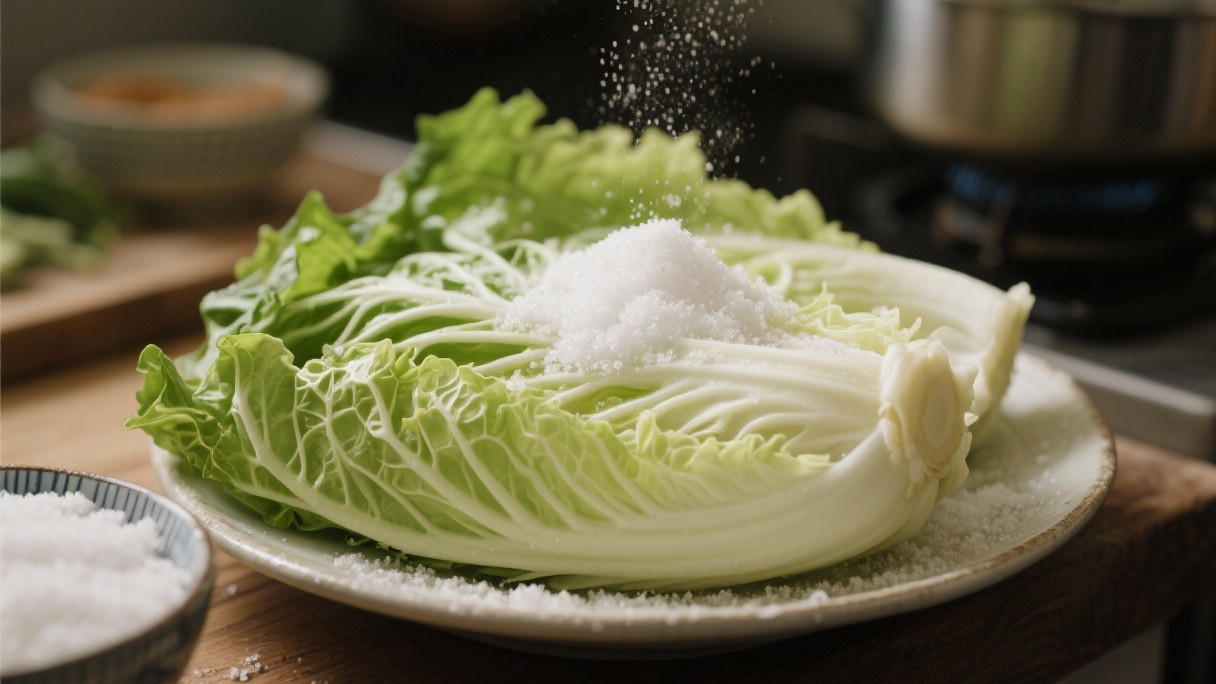
Proper salting is crucial. Salt draws out moisture and creates the environment friendly bacteria need to thrive while inhibiting harmful ones. Salt each cabbage leaf generously, especially at the thicker base. Let them sit for 2-4 hours until wilted and pliable, then rinse thoroughly to remove excess salt.
📷 Korean kimchi in jar
Making the Paste
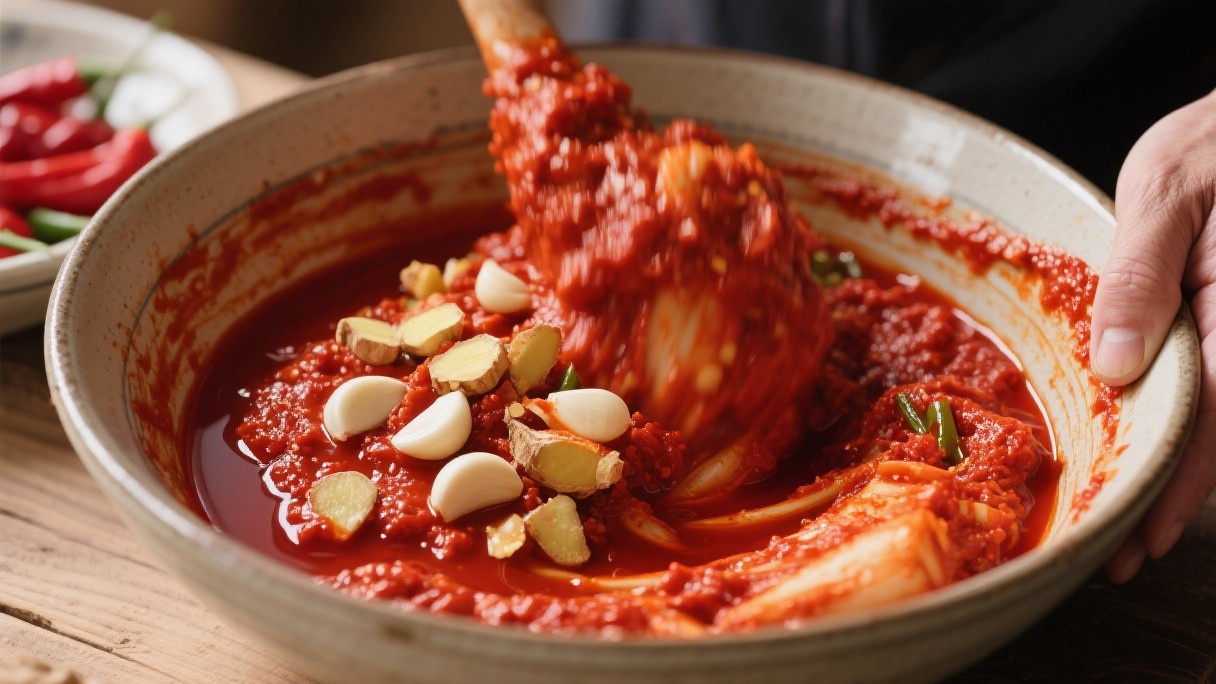
The paste is where personal expression comes in. Toast glutinous rice flour into a paste for body and sticking power. Soak dried seafood (sardines or shrimp) for umami depth. Adjust gochugaru for heat level—more for spicy lovers, less for subtle warmth. Each family claims their paste ratio is the one true way, but the best approach is to develop your own signature version.
Fermentation and Timing
After packing the paste between leaves, kimchi needs time to ferment. Room temperature for 1-2 days, then refrigerate. The cold slows fermentation but doesn't stop it completely. Traditional kimchi eaten within weeks is tangy and fresh; older kimchi develops deeper, more complex flavors prized for cooking. Kimchi jjigae made with aged kimchi is transcendent in ways young kimchi cannot achieve.
📷 Kimchi in traditional bowl
Making kimchi connects you to millions of Korean households and countless generations. It's a craft that rewards patience, attention, and eventually, intuition. Once you've tasted kimchi made with love and tradition, grocery store versions will never satisfy again.
Understanding Fermentation Science
The transformation of raw vegetables into kimchi is driven by lactic acid bacteria, primarily Leuconostoc, Weissella, and Lactobacillus species. These microorganisms are naturally present on cabbage leaves and thrive in the salty, anaerobic environment created during the kimchi-making process. During the first few days at room temperature, Leuconostoc bacteria dominate, producing carbon dioxide and mild acidity. As the environment becomes more acidic, Lactobacillus species take over, creating the sharper, more complex flavors associated with well-aged kimchi.
Kimchi Beyond the Jar
While kimchi is most commonly enjoyed as a banchan side dish, its versatility extends far beyond the traditional Korean table. Kimchi jjigae, a hearty stew made with well-fermented kimchi, pork belly, and tofu, is one of Korea's most beloved comfort foods. Kimchi fried rice transforms day-old rice into a savory meal with the addition of chopped kimchi, gochugaru, and a fried egg on top.
Even the brine, rich in probiotics and umami, can be used as a seasoning base for soups, marinades, and even cocktails.
Health Benefits of Fermented Foods
Kimchi is widely recognized as one of the healthiest foods in the world, thanks to its probiotic content and nutrient density. The lactic acid bacteria produced during fermentation support gut health, improve digestion, and may strengthen the immune system. Kimchi is rich in vitamins A, B, and C, as well as fiber from the cabbage and radish. Studies have suggested that regular kimchi consumption may help lower cholesterol, reduce inflammation, and even support weight management.
These health benefits, combined with its bold, complex flavor, make kimchi a valuable addition to any balanced diet.
Kimchi for Different Seasons
Traditional Korean households prepare different types of kimchi throughout the year, adapting to seasonal ingredient availability. Summer kimchi, called yeolmu kimchi, uses young summer radishes and is lighter and more refreshing. Winter kimchi, or gimjang, is made in large quantities during the cold months using napa cabbage and stored in traditional earthenware pots buried in the ground. Bossam kimchi, wrapped in cabbage leaves with additional fillings, is a special-occasion variation often served during celebrations.
Understanding these seasonal traditions adds depth to the kimchi-making experience and connects the cook to centuries of Korean culinary heritage.
Troubleshooting Fermentation Problems
Several common problems can arise during kimchi fermentation, but most are easily corrected with experience. If the kimchi develops a white film on the surface, this is kahm yeast, which is harmless but can affect flavor. Skimming it off and ensuring the vegetables remain submerged in the brine prevents its return. If the kimchi becomes too sour, it can be used in cooking rather than eaten raw. Kimchi jjigae and fried rice both benefit from well-fermented, sour kimchi.
If the kimchi is not fermenting at all, the salt concentration may be too high or the temperature too low. Adjusting these variables usually resolves the issue within a day or two.
Serving Suggestions
Kimchi pairs excellently with rice, noodles, or as a side dish to Korean barbecue. The fermentation continues slowly in the refrigerator, so flavors will develop over time.
Share what you make with friends and family. Cooking is meant to be enjoyed communally, and feedback from others helps you improve faster than tasting alone. Plus, the act of serving something you made from scratch is one of the most rewarding experiences a home cook can have.