Italian Espresso: Dialing In Grind Size, Dose, and Extraction Time
Beverage
|
March 8, 2026
The espresso machine hisses as morning light filters through the window. Each movement is part of a ritual perfected over thousands of cups.
The Double Shot Standard: 18 Grams In, 36 Grams Out
The modern standard for a double espresso is 18 grams of ground coffee yielding 36 grams of liquid, extracted in 25 to 30 seconds. This 1:2 ratio provides a balanced extraction that captures the sweet and acidic compounds while leaving most of the bitter compounds behind. I use a calibrated digital scale that measures to 0.1 gram accuracy for both the dose and the yield.
The portafilter is weighed empty, then tared, and the ground coffee is dosed to exactly 18 grams. After extraction, the cup with the espresso is weighed to confirm a yield of 36 grams. Deviations of more than 2 grams in either direction noticeably affect the balance of the shot.
Grind Size and Distribution
Grind size is the primary variable I adjust when dialing in a new coffee. If the shot runs too fast, extracting 36 grams in less than 20 seconds, the grind is too coarse and the coffee will taste sour and thin. If the shot runs too slow, taking more than 35 seconds, the grind is too fine and the coffee will taste bitter and harsh.
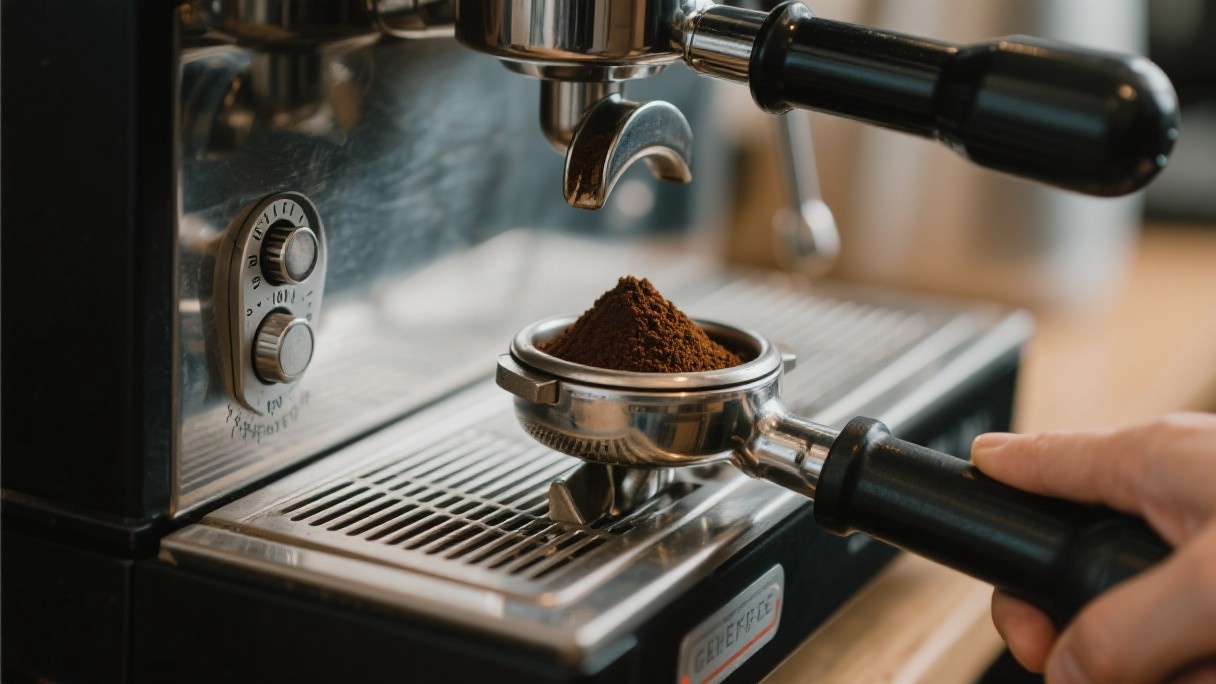
I make adjustments in the smallest increments my grinder allows, typically moving the setting by one or two notches at a time. After grinding, I distribute the coffee grounds evenly in the portafilter using a distribution tool or the WDT method, which involves stirring the grounds with fine needles to break up clumps. Uneven distribution causes channeling, where water finds the path of least resistance through the puck and produces an uneven extraction.
Tamping Pressure and Technique
I apply about 15 kilograms of pressure when tamping, which is firm enough to create a level, compact puck but not so heavy that it over-compresses the coffee. The tamp should be perfectly level; an uneven tamp causes one side of the puck to extract faster than the other, resulting in an imbalanced shot.
I hold the portafilter flat on the counter, press the tamper down with my elbow directly over the portafilter, and apply steady pressure for about 3 seconds. After tamping, I hold the tammer and rotate it a quarter turn to polish the surface, which helps seal the edge of the puck against the basket wall. I also wipe any loose grounds from the rim of the portafilter to ensure a clean seal with the group head gasket.
Extraction Temperature and Pressure
Most espresso machines are set to brew at 9 bars of pressure and a water temperature between 90 and 96 degrees Celsius. I set my machine to 93 degrees for medium-roast coffees and lower it to 90 degrees for lighter roasts, which are more sensitive to high temperatures and can taste sharp or astringent if the water is too hot. Dark roasts can tolerate slightly higher temperatures, up to 95 degrees, which helps extract the deeper caramel and chocolate notes.
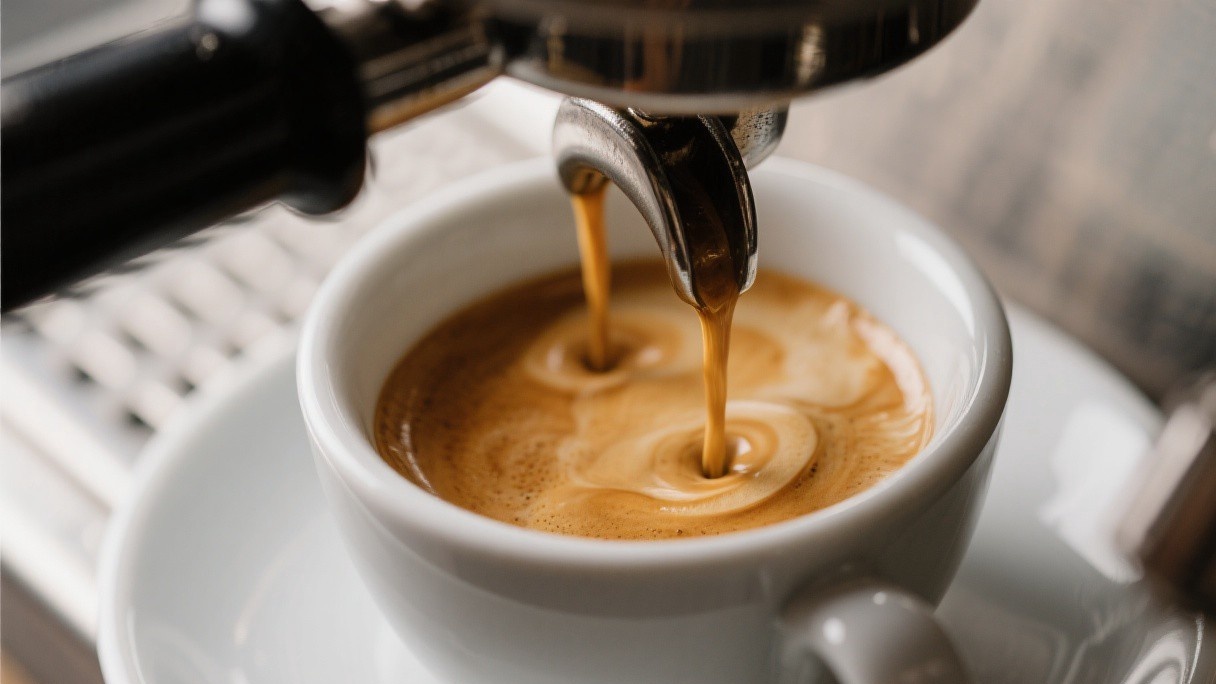
The temperature stability of the machine matters enormously; fluctuations of more than 1 degree during a single shot can produce inconsistent results. I warm the portafilter and group head by running a blank shot before pulling the actual espresso, because a cold group head drops the water temperature by several degrees at the start of extraction.
Reading the Puck and Adjusting
After pulling a shot, I inspect the spent puck for clues about the extraction. A puck that is wet and mushy on top suggests the grind was too fine or the dose was too high, causing water to pool on the surface. A puck that has cracks or channels visible on the surface indicates that the water found uneven paths through the coffee, usually due to poor distribution or tamping.
An ideal spent puck is firm, dry on top, and comes out of the portafilter in a single solid disc. I taste each shot and note whether it leans sour or bitter, then adjust the grind size accordingly. Dialing in a new coffee typically takes me 3 to 5 shots, after which I can lock in the setting and produce consistent results.
Health Benefits and Caffeine Content
Moroccan mint tea is often consumed for its purported health benefits, which include aiding digestion, reducing inflammation, and providing a mild stimulant effect from the caffeine in the green tea. A standard cup of Moroccan mint tea contains about 30 to 50 milligrams of caffeine, which is roughly half the amount in a cup of coffee. The gunpowder green tea base provides catechins, which are antioxidants that have been studied for their potential health effects.
The mint contributes menthol, which can help soothe the stomach and freshen the breath. The high sugar content is the one nutritional caveat; a single glass can contain 20 to 30 grams of sugar. I sometimes reduce the sugar by half when I am making it for daily consumption, which produces a drink that is less traditional but more in line with modern dietary preferences.
Store any leftovers properly and reheat gently to preserve texture and flavor. Many of these preparations actually improve overnight as flavors meld and develop. Planning ahead means you can enjoy the fruits of your labor across multiple meals, making the effort even more worthwhile.