Artisanal Hot Chocolate Variations: Global Recipes for Luxurious Drinking Chocolate
Beverage
|
February 19, 2026
Why do some chocolate desserts turn out smooth while others seize or bloom? Temperature control is everything, yet most home cooks rush the process.
The Foundation: Quality Chocolate
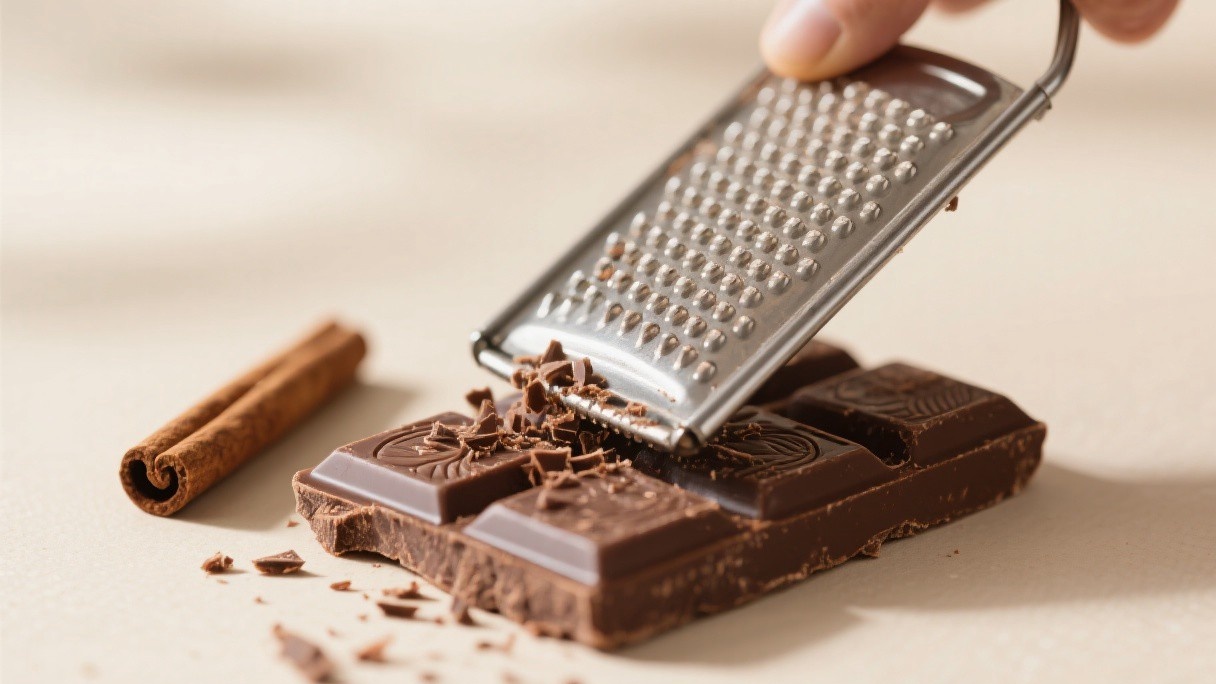
Real hot chocolate starts with real chocolate. Skip cocoa powder entirely for the richest results; instead, use 70% or higher dark chocolate, chopped fine, or Mexican chocolate tablets (containing cinnamon and sometimes almond). The chocolate quality determines everything—use the best you can find.
Mexican Champurrado
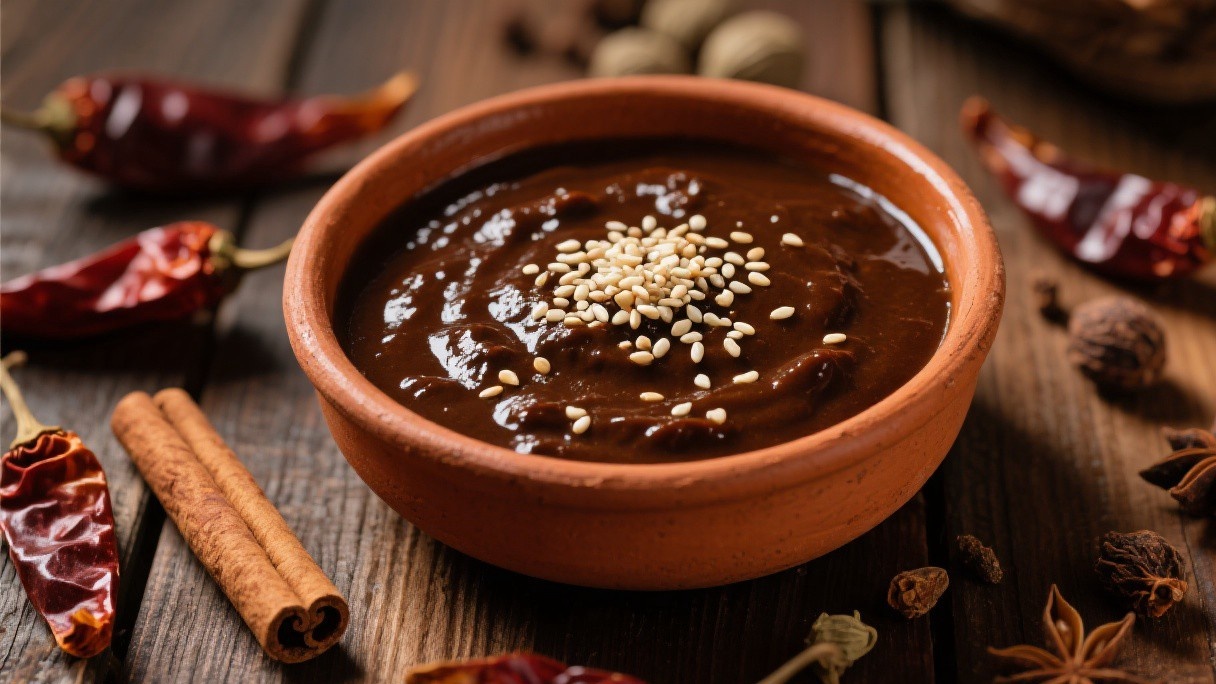
Champurrado adds masa harina (corn flour) for body and thickening, along with cinnamon and optionally a pinch of chili. The corn flour creates a velvety texture unlike any other style. Toast the masa in dry pan first to enhance flavor, then whisk into the chocolate mixture. This creates a rich, complex, and utterly unique.
📷 Artisanal hot chocolate with marshmallows
Italian Cioccolata Densa
Italian hot chocolate is notoriously thick—barely liquid, more like pudding you drink. Mixing a small amount of cold milk with cornstarch, then adding it to simmering whole milk with chocolate. The starch thickens as it cooks, creating that characteristic texture. Serve in small cups with a spoon for maximum appreciation.
Belgian Elegance
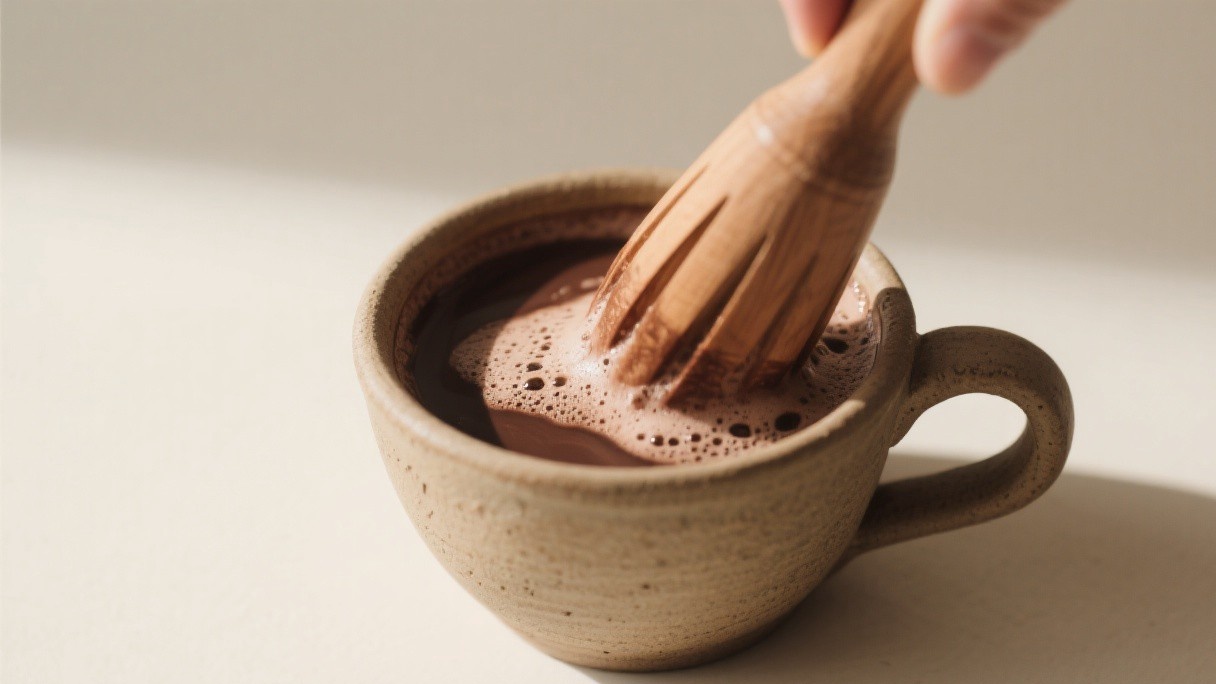
Belgian hot chocolate prioritizes pure chocolate flavor. Use Belgian chocolate if available, melt it into hot (not boiling) whole milk, and finish with a touch of heavy cream. Some purists insist on no toppings; others welcome whipped cream and shaved chocolate. The chocolate speaks for itself.
📷 Hot chocolate in elegant mug
Explore these global variations and discover your preference. Each style teaches something different about chocolate's versatility and cultural significance. Hot chocolate is far more than a winter comfort drink—it's a window into culinary traditions around the world.
Chocolate Selection Matters
The quality of chocolate used directly determines the richness and depth of the final drink. Couverture chocolate with at least 60% cacao content provides a balanced sweetness and complex flavor profile. Dark chocolate varieties from Madagascar offer fruity, tart notes, while Venezuelan chocolate tends toward nutty and earthy. For white chocolate variations, choose a brand with real cocoa butter rather than palm oil substitutes. Grating the chocolate finely ensures it melts smoothly and incorporates evenly into the heated milk.
Global Hot Chocolate Traditions
Every culture has its own interpretation of hot chocolate, and exploring these variations reveals fascinating differences. Mexican champurrado incorporates masa harina for a thick, almost porridge-like consistency flavored with cinnamon and sometimes chili. Italian cioccolata calda is so thick it requires a spoon, made with cornstarch and premium dark chocolate. Turkish hot chocolate blends cocoa with salep, a flour made from orchid tubers, creating an exceptionally creamy texture. Each tradition reflects local ingredients and cultural values surrounding comfort and indulgence.
Spice and Flavor Enhancements
Beyond the classic chocolate base, several additions can elevate hot chocolate from comforting to extraordinary. A pinch of cayenne pepper adds a subtle warmth that enhances the chocolate without overwhelming it. Cinnamon sticks simmered in the milk provide a sweet, woody aroma. A dash of vanilla extract or a scraped vanilla bean adds floral complexity. Orange zest, added at the end of heating, brightens the entire drink with citrus oils.
A pinch of sea salt, seemingly counterintuitive, actually intensifies the chocolate flavor and balances the sweetness. These small additions transform a simple cup into a thoughtfully crafted beverage.
Dairy and Non-Dairy Milk Options
The choice of milk significantly affects the texture and flavor of hot chocolate. Whole milk produces the richest, creamiest result with a natural sweetness that complements the chocolate. Heavy cream can be added for an even more indulgent version. For non-dairy alternatives, oat milk has emerged as the top choice due to its naturally creamy texture and neutral flavor. Coconut milk adds a tropical richness that pairs well with dark chocolate.
Almond milk works but tends to be thinner, requiring a reduction in liquid or an increase in chocolate to maintain the desired richness. Each milk option creates a distinctly different drinking experience.
Toppings and Presentation
The visual and textural appeal of hot chocolate can be elevated with thoughtful toppings. Homemade whipped cream, lightly sweetened and flavored with vanilla, is the classic choice. Marshmallows, either traditional or artisanal flavored varieties, add a playful element. Grated chocolate or chocolate shavings on top create an elegant appearance. A dusting of cocoa powder or cinnamon adds visual interest and aroma.
For a sophisticated touch, a candied orange peel or a cinnamon stick as a stirrer serves as both garnish and functional tool. These finishing touches make hot chocolate feel like a special occasion beverage rather than an everyday drink.
Pro Tips
Pay attention to the details. Temperature, timing, and ingredient quality all play crucial roles in achieving the best results. Take notes on your process and adjust based on what works in your specific kitchen environment.
Serving Suggestions
This beverage pairs well with various foods. Consider the flavor profile when selecting accompaniments. Fresh ingredients make a significant difference in the final taste.
Set realistic expectations for your first attempt and focus on learning rather than perfection. The techniques described here are forgiving by nature, so even missteps produce edible results. With each repetition, your timing improves, your palate sharpens, and your confidence grows.