Stuffed and Spectacular: Creative Pork Tenderloin Fillings
Meat
|
March 16, 2026
Stuffed and Spectacular is a craft that rewards patience and attention to detail. Whether you are a curious beginner or an experienced cook looking to refine your technique, understanding the fundamentals transforms ordinary ingredients into something remarkable. The journey from raw materials to finished dish involves specific steps that, once mastered, become second nature.
Butterflying: The Foundation
Butterflying means cutting the tenderloin horizontally to open like a book. Place the tenderloin flat, hold knife parallel to cutting board, and slice horizontally, leaving 1/4 inch uncut at the far edge. Unfold and pound to even thickness (about 1/2 inch). This creates a rectangular surface for maximum stuffing capacity.
Spinach and Artichoke Stuffing
Sauté spinach and garlic until wilted, mix with cream cheese, artichoke hearts, and feta. Season pork with salt and pepper, spread stuffing, roll tightly from narrow end, and tie with kitchen twine at 1-inch intervals. Sear all sides until golden, then roast at 400°F until internal temp reaches 145°F.
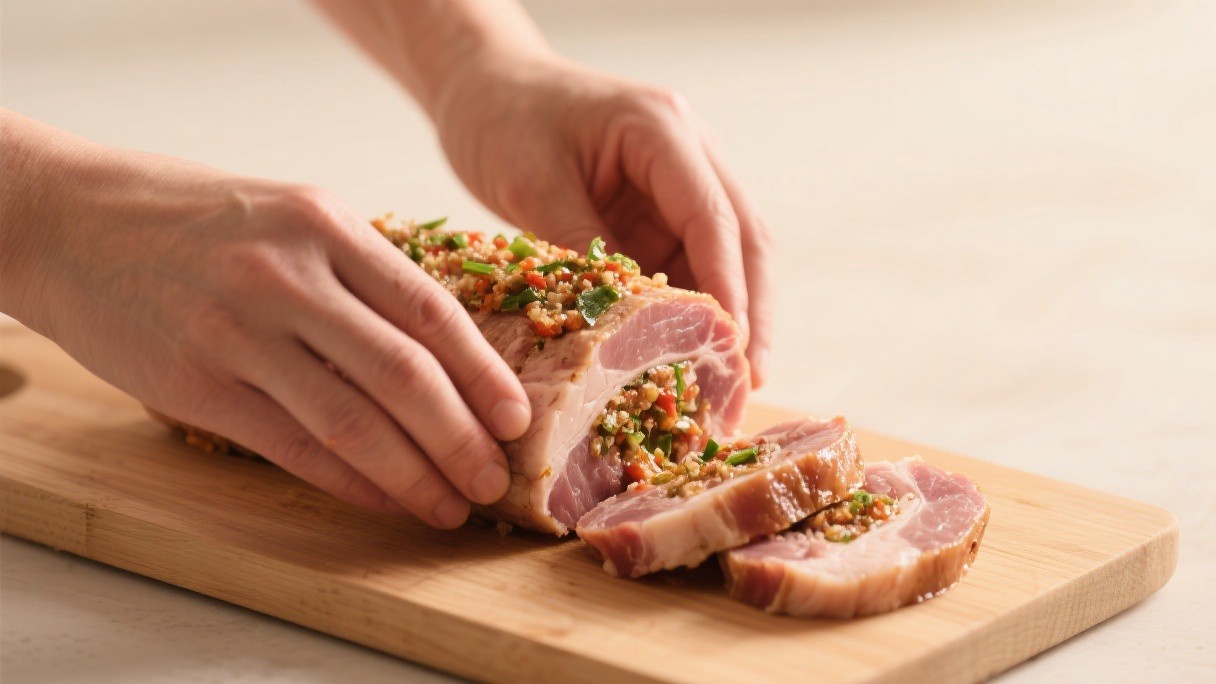
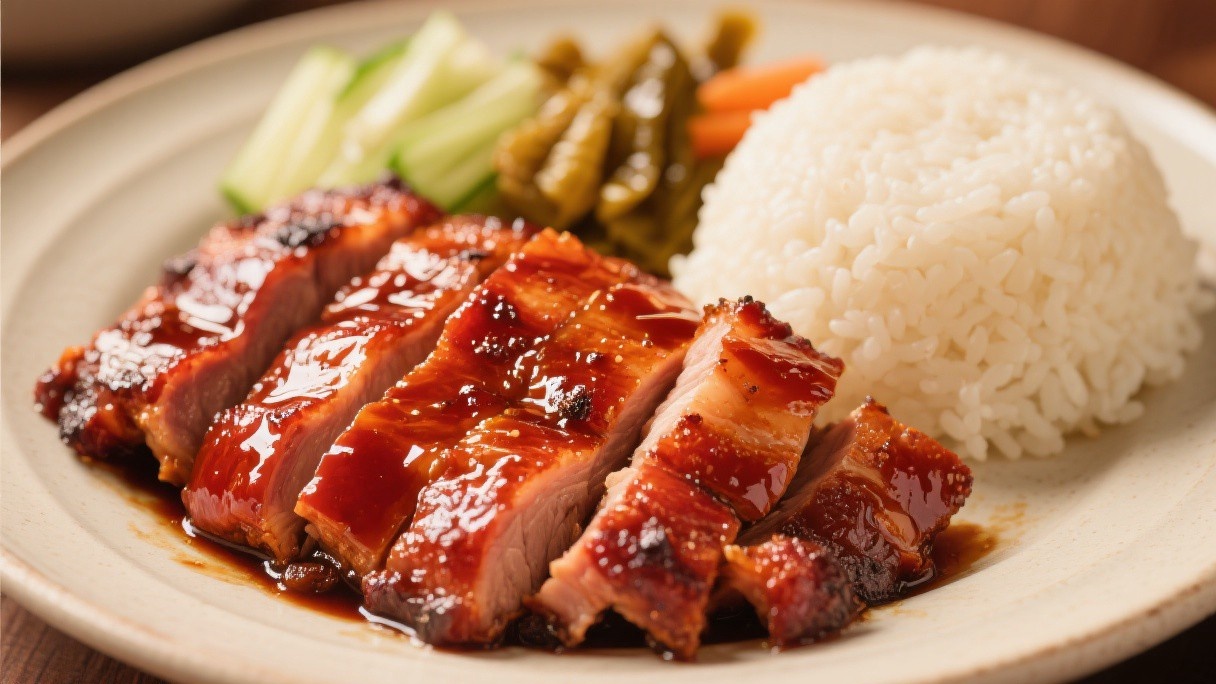
📷 Stuffed pork tenderloin sliced
Dried Fruit and Nut Stuffing
For a sweet-savory combination: mix breadcrumbs, chopped apricots, toasted almonds, sage, and Dijon mustard. This stuffing pairs beautifully with pork's mild flavor. The sweetness of fruit and nuttiness of almonds create sophisticated flavor layers. Serve with pan sauce made from the fond.
Mushroom and Gruyère
Sauté mixed mushrooms (cremini, shiitake, oyster) with shallots and thyme until all moisture evaporates. Spread on butterflied tenderloin along with shaved Gruyère. Roll, tie, sear, and roast. The mushrooms add umami depth while Gruyère provides creamy pockets that melt beautifully.
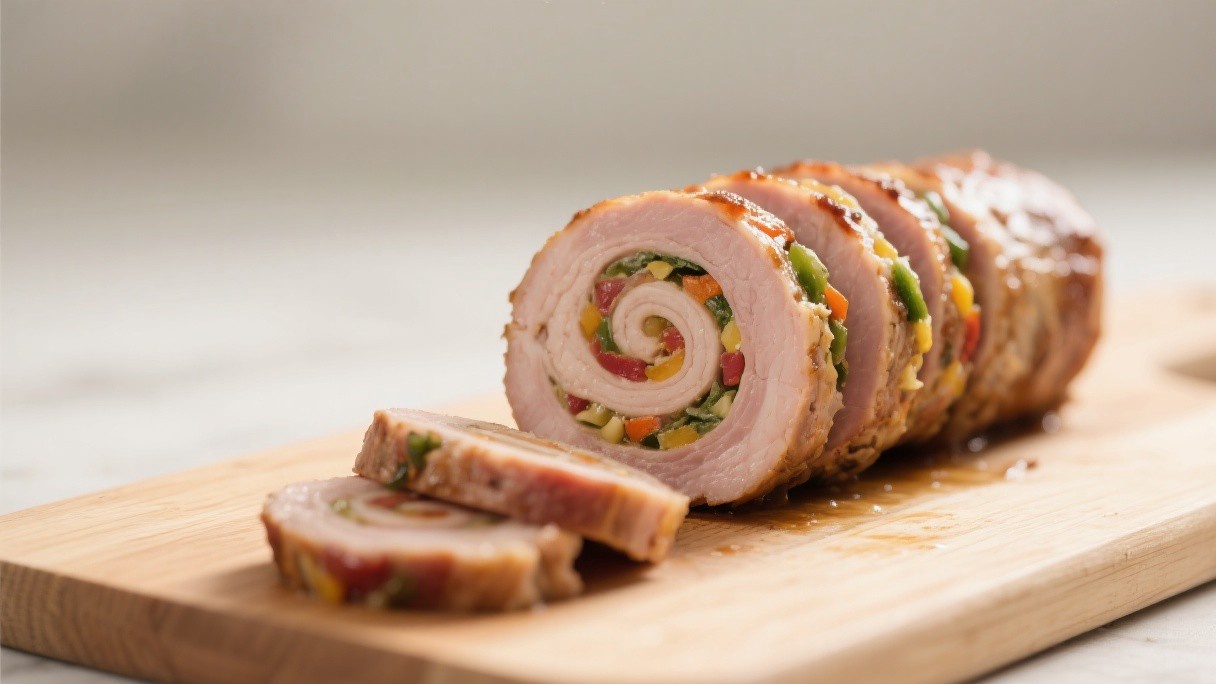
📷 Rolling stuffed pork tenderloin
Let rolled tenderloin rest 10 minutes before slicing—cutting too soon releases juices. Remove twine carefully, slice into 1-inch medallions, and arrange on plates with pan sauce. The presentation makes the effort worthwhile.
The Rub Development
Dozens of rub combinations exist combinations before finding the signature blend. The balance of salt, sugar, and spices took years to perfect. Now Making it in large batches, always having some ready for the next cook.
Different woods impart distinct flavors—hickory, apple, cherry, oak. Each imparts distinct flavors, and It's learned to match wood to meat. Pork loves fruit woods; their sweetness complements the rich meat perfectly.
Stuffing and Rolling Technique
Preparing a stuffed pork tenderloin requires a precise butterfly cut that opens the meat into a flat, even rectangle without cutting completely through. The filling should be spread evenly across the surface, leaving a one-inch border around the edges to prevent overflow during rolling. Rolling the tenderloin tightly from the long side creates a neat spiral pattern when sliced. Tying the roll with kitchen twine at one-inch intervals ensures it holds its shape during cooking.
Overfilling is the most common mistake, as the filling expands during cooking and can cause the roll to burst open.
Complementary Stuffing Combinations
The best stuffing pairings complement the mild, lean flavor of pork tenderloin. Spinach, sun-dried tomatoes, and goat cheese create a Mediterranean-inspired filling with vibrant colors and bold flavors. Apples, walnuts, and dried cranberries offer an autumnal combination that pairs well with a maple glaze. Bacon, cheddar, and jalapeno provide a hearty, spicy option.
For an elegant presentation, a filling of sauteed mushrooms, shallots, and thyme wrapped in prosciutto before rolling adds both flavor and an attractive outer layer that crisps beautifully during roasting.
Temperature Monitoring for Perfect Results
Pork tenderloin cooks quickly and has a narrow window between perfectly juicy and unpleasantly dry. The target internal temperature is 145 degrees Fahrenheit, followed by a five-minute rest, during which the temperature rises to approximately 150 degrees. Cooking beyond 155 degrees produces noticeably dry meat. A digital instant-read thermometer is essential, as the difference between perfect and overcooked is only a matter of minutes.
Starting the tenderloin in a hot skillet to develop a golden-brown crust, then finishing in a 400-degree oven provides the most consistent results. This two-stage approach ensures both a beautiful exterior and a perfectly cooked interior.
Pan Sauce from Pork Tenderloin
The fond, or browned bits left in the pan after searing pork tenderloin, is the foundation for an exceptional pan sauce. After removing the cooked tenderloin to rest, deglaze the pan with a splash of white wine, chicken broth, or apple cider, scraping up the flavorful bits with a wooden spoon. A small knob of cold butter swirled in at the end creates a glossy, emulsified sauce that clings to the meat.
Adding a teaspoon of Dijon mustard, a splash of cream, or fresh herbs like thyme and sage builds additional layers of flavor. This pan sauce transforms a simple pork tenderloin into a restaurant-quality dish with minimal extra effort.
Pork Tenderloin Marinades
Marinades add moisture and flavor to pork tenderloin, which is naturally lean and can dry out if overcooked. A simple marinade of olive oil, garlic, rosemary, and Dijon mustard provides a classic, herbaceous flavor. Asian-inspired marinades using soy sauce, ginger, garlic, and sesame oil create a sweet-savory profile. A citrus marinade with orange juice, lime zest, and cumin offers bright, refreshing acidity.
The optimal marinating time is two to four hours in the refrigerator, as longer periods can make the meat mushy due to the acid content. Always pat the tenderloin dry before searing to ensure a proper crust forms.
Once you have made this a few times, the process becomes meditative rather than stressful. You will start noticing small details, adjusting intuitively, and developing your own signature touches. That is when cooking stops being a chore and becomes something you actually look forward to.