Silken Perfection: Mastering the Delicate Art of Hollandaise Sauce
Recipe
|
March 8, 2026
The world of Silken Perfection is richer and more varied than most people realize. From ingredient selection to final presentation, every decision affects the outcome. By learning the foundational techniques covered here, you will gain the skills and confidence to experiment while still producing reliable, delicious results every time.
The Emulsion Science
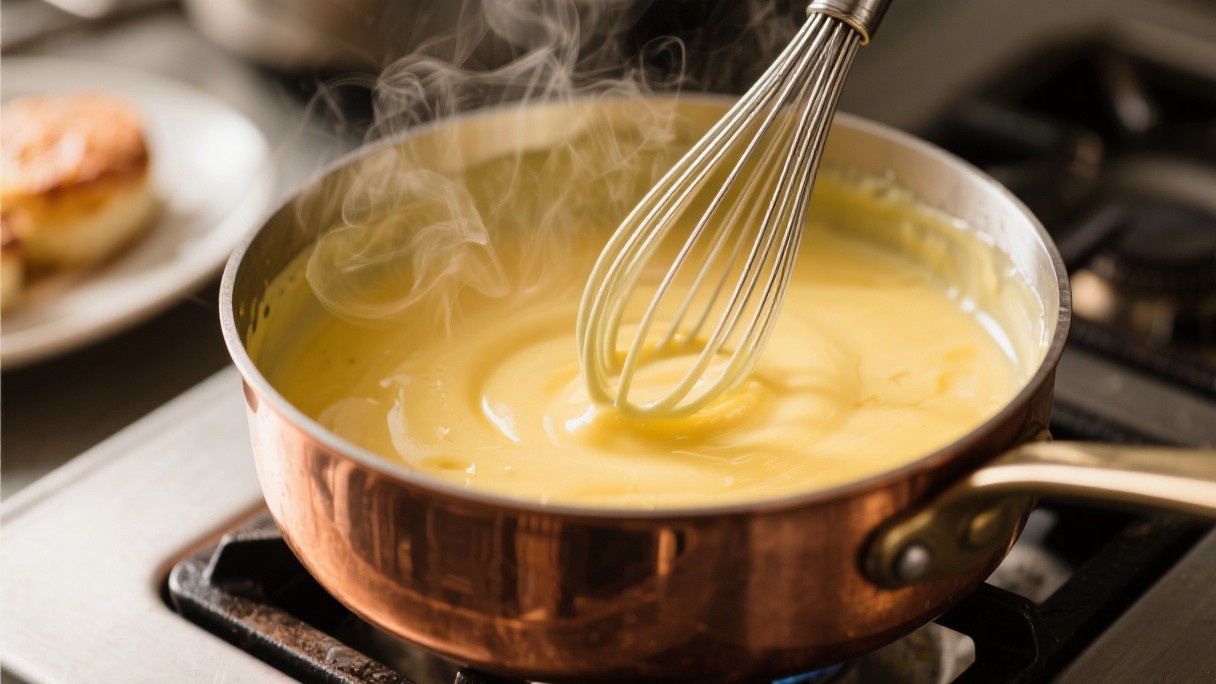
Hollandaise is an emulsion of butterfat suspended in water (from the egg yolks and lemon juice). The lecithin in egg yolks acts as an emulsifier, allowing these two normally incompatible liquids to combine. Adding the butter slowly is essential while maintaining the right temperature—too hot and the eggs scramble, too cold and the butter solidifies.
Clarified Butter is Essential
Clarifying butter removes the milk solids and water, leaving pure butterfat that creates a more stable emulsion. To clarify, gently melt butter and let it sit; the milk solids sink to the bottom. Use only the golden liquid on top. This step is non-negotiable for smooth, lump-free hollandaise.
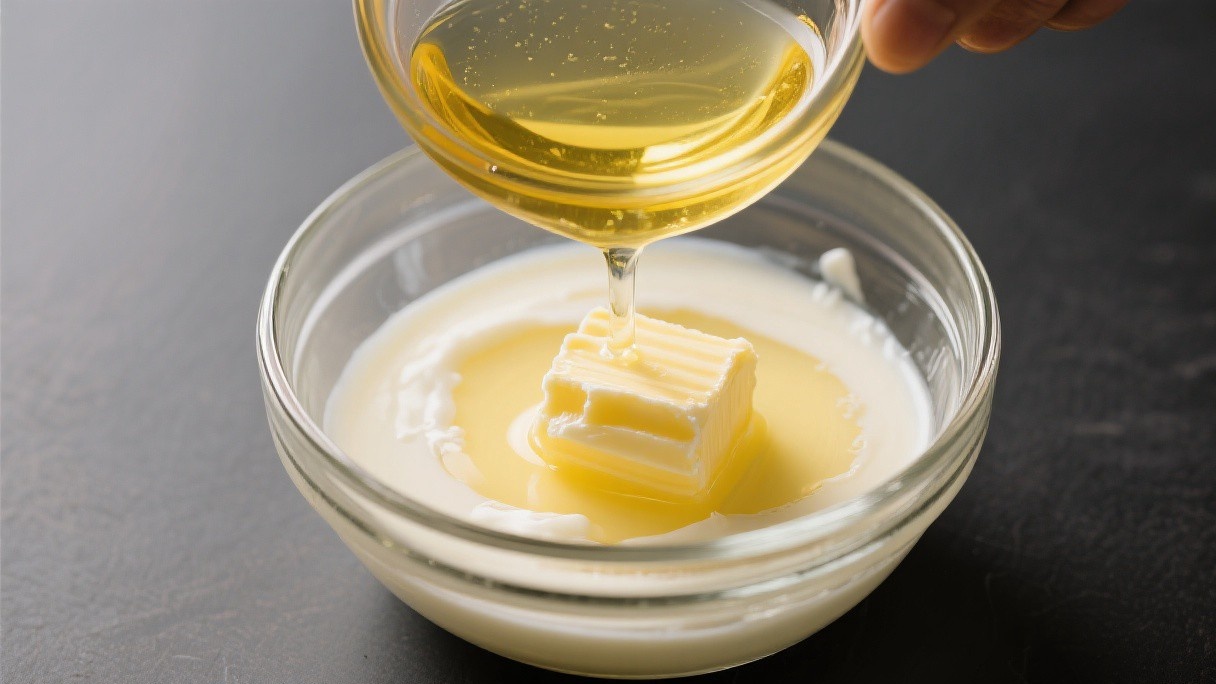
📷 Hollandaise sauce in bowl
The Temperature Sweet Spot
Egg yolks should reach 140°F to thicken properly, but exceed 160°F and they scramble. The solution: maintain a water bath at a bare simmer and remove the bowl frequently to prevent overheating. Use a thermometer to monitor the yolk mixture before streaming in butter. Some cooks prefer the Blender Method, which eliminates guesswork by using the friction of blending.
Troubleshooting Common Issues
If your hollandaise breaks, don't panic. Whisk another yolk in a clean bowl and slowly drizzle in the broken sauce—this often rescues it. Prevention is easier: keep everything at room temperature except the butter, add it drop by drop initially, and never rush the process.
📷 Eggs Benedict with hollandaise
Serve hollandaise immediately over eggs Benedict, grilled fish, or steamed asparagus. Like all emulsified sauces, it begins to separate the moment it leaves the heat, so timing is everything.
Variations on the Classic
Once the basic hollandaise technique is mastered, several classic variations become accessible. Bearnaise replaces the lemon juice with a reduction of white wine, tarragon, and shallots, creating a sauce that pairs perfectly with steak and grilled fish. Maltaise incorporates blood orange juice and zest for a vibrant citrus twist ideal for asparagus. Choron sauce blends hollandaise with tomato puree for a rich, pink-hued variation.
Each derivative follows the same emulsion principles, making hollandaise the gateway to an entire family of French sauces.
Serving and Holding Temperature
Hollandaise is best served immediately, but it can be held warm for up to an hour in a thermos or over a warm water bath not exceeding 140 degrees Fahrenheit. Never reheat hollandaise directly on the stove or in a microwave, as the emulsion will break. If the sauce thickens while waiting, whisk in a few drops of warm water to restore its flowing consistency.
The classic pairing remains eggs Benedict, but hollandaise also transforms poached fish, steamed vegetables, and roasted chicken into elegant dishes.
Hollandaise in Modern Cuisine
While hollandaise is a classical French sauce, its applications in modern cuisine extend well beyond eggs Benedict. Chefs now drizzle hollandaise over roasted asparagus and grilled artichokes, use it as a dipping sauce for steamed crab legs, and even fold it into scrambled eggs for an indulgent breakfast. Some restaurants serve miniature hollandaise shooters alongside seafood towers. The sauce also works as a base for creamy salad dressings when thinned with additional lemon juice and Dijon mustard.
These contemporary uses demonstrate that hollandaise remains as relevant in modern cooking as it was in Escoffier's time.
Clarified Butter vs. Whole Butter
The choice between clarified butter and whole butter significantly impacts the hollandaise outcome. Clarified butter produces a purer, more stable emulsion because the milk solids have been removed, eliminating the proteins that can cause the sauce to break at higher temperatures. Whole butter, while less stable, contributes a slightly richer, more complex flavor due to the milk solids. For beginners, clarified butter is strongly recommended because it provides a larger margin of error.
The clarification process is straightforward and can be done in advance, storing the pure butterfat in the refrigerator until needed.
Egg Quality and Temperature
The quality and temperature of the eggs used in hollandaise directly affect both flavor and texture. Fresh, room-temperature egg yolks emulsify more readily and produce a lighter, more stable sauce. Older eggs have thinner whites and weaker yolks that may not hold the emulsion as effectively. Pasture-raised eggs with deep orange yolks produce a hollandaise with richer color and more pronounced flavor.
Bringing eggs to room temperature before starting takes approximately thirty minutes and is a simple step that significantly improves the final result. Using only the yolks, never whole eggs, ensures the correct ratio of lecithin to fat.
Professional Advice
When making hollandaise, work with room temperature eggs for better emulsification. The butter should be warm but not hot—around 140°F is ideal for creating a stable sauce.
Additional Notes
Every kitchen has its own unique conditions that affect cooking. Altitude, humidity, and equipment variations all play a role. Adjust timing and temperature as needed for your specific situation.
Hollandaise rewards patience more than any other sauce. Keep the heat low, add the butter gradually, and resist the urge to rush. With a few attempts, you will produce a sauce that is silky, bright, and worthy of a fine restaurant brunch.