The Best Plant Based Iron Sources To Boost Your Energy Levels Instantly
Nutrition
|
February 8, 2026
There is a certain kind of tiredness that food people recognize right away. You eat lunch, sit back down at your desk, and somehow feel less awake than before you ate. If you are eating more plant-based meals lately, that slump can sometimes trace back to iron, but not always in the obvious way.
The issue is usually not that plant foods are missing iron. It is that many people make plant-based meals that are too light, too scattered, or lack combinations that help the body use what is there. Once you fix that, the food starts working a lot harder for you.
Iron Works Better When The Meal Has A Real Backbone
A plate built around leaves and raw vegetables might look virtuous, but that does not mean it will carry you through an afternoon. Plant-based eating starts feeling better once meals have enough density to feel grounded.
A Plant-Based Meal Should Not Feel Like A Side Dish
For most people, moving toward a plant-based style of eating means replacing the center of the meal, not just removing meat and hoping vegetables fill the gap. That could mean lentils in a stew, chickpeas mashed into a sandwich filling, or tofu and rice with greens and sauce.
The shift is practical. You are building meals from beans, grains, seeds, and vegetables that do more than fill the plate.
Iron-Rich Meals Usually Need More Than One Good Ingredient
One iron-rich food on its own does not solve much if the rest of the meal is low in iron. Spinach matters, yes, but spinach with lentils, tahini, and lemon makes much more sense than spinach sitting sadly under a few cucumber slices. The same goes for beans. They work best when they are part of an actual meal, not a token topping.
Some Of The Best Iron Sources Are The Cheapest Foods In The Room
This is one of the better parts of a high-iron vegan diet. The foods that help most are often pantry basics, not expensive powders or niche products.
Lentils Do More Than People Give Them Credit For
Lentils are probably the most dependable option in the kitchen if you want iron, substance, and speed in one ingredient. Red lentils disappear into soups and thick bowls. Green and brown lentils stay firmer and work better for salads, grain bowls, and pasta sauces.
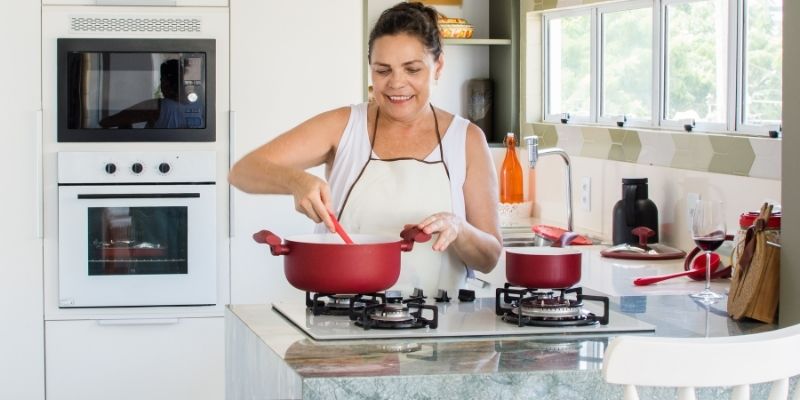
A simple weeknight option is a tomato-red lentil pot. Cook the onion and garlic in olive oil, then add red lentils, canned tomatoes, broth, and a little cumin, and simmer until thick. Stir in chopped spinach right at the end and finish with lemon. It is cheap, soft in the right way, and much more satisfying than it sounds.
Beans And Seeds Quietly Add Up Across The Day
White beans, black beans, chickpeas, pumpkin seeds, and hemp seeds are all useful. Not because they are magical, but because they are easy to repeat. White beans can be mashed with lemon and garlic and spread on toast. Black beans can go into tacos with salsa. Pumpkin seeds can be toasted and thrown over soups, oatmeal, or grain bowls.
That kind of layering matters. Iron intake often improves when the whole day gets stronger, not just dinner.
The Real Trick Is Absorption, Not Just Intake
This is where cooking for iron absorption becomes less of a theory thing and more of a kitchen habit. A meal can contain good ingredients and still underperform if the pairing is off.
Vitamin C Pulls More Out Of The Meal
This is the easiest upgrade to make. Iron-rich plant foods tend to work better with something sharp and fresh beside them. Lemon, lime, tomatoes, oranges, strawberries, and bell peppers all help.
That means a bowl of lentils with lemon juice is smarter than a bowl of lentils alone. Black bean tacos with salsa and lime work better than plain black beans with rice. These are small changes, but they are the kind of changes people can actually keep doing.
Tea And Coffee Can Wait A Bit
This one annoys people, but it helps. Tea and coffee right after a meal can interfere with iron absorption. That does not mean you need to give them up. It just helps to let lunch settle first, then have the coffee later.
For someone already dealing with low energy, that timing shift can be worth trying before making everything more complicated.
Meals That Help In Real Life Need To Be Fast Enough To Repeat
The best energy-boosting plant recipes are usually not the prettiest. They are the ones you can make half awake on a Tuesday without dirtying every pan in the kitchen.
A Good Lunch Bowl Can Do A Lot
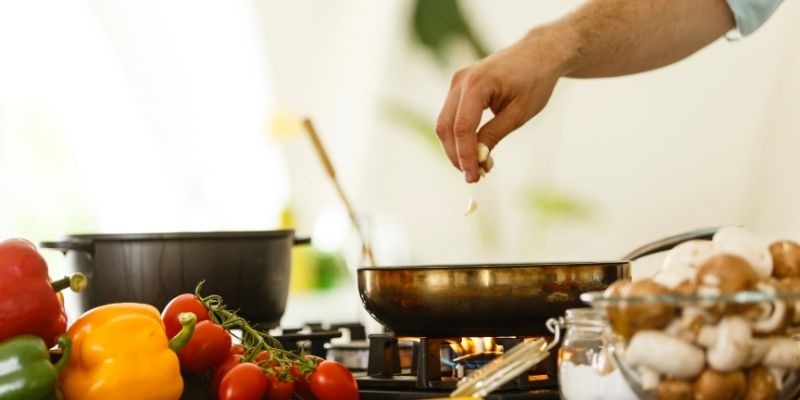
One bowl I keep coming back to starts with cooked quinoa or brown rice, then gets topped with black beans, sautéed kale, avocado, pumpkin seeds, and a limey tahini dressing. That works because it has texture, fat, protein, and acid all in one place.
If you do not have quinoa, use rice. If you do not have kale, use spinach; if tahini is too expensive, thin out peanut butter with lemon and water. The shape of the meal matters more than the exact ingredient list.
A Quick Pasta Can Still Be Iron-Friendly
Pasta was ignored in this conversation, but it should not have been. Toss pasta with olive oil, garlic, white beans, chopped greens, and a squeeze of lemon, and suddenly it becomes one of the easier,iron-rich plant-based meals in a normal week.
If the texture feels too soft, add toasted breadcrumbs or pumpkin seeds on top. That one extra crunchy thing changes the meal more than people expect.
Plant-Based Eating Usually Gets Easier Once The Kitchen Catches Up
A lot of people think they are failing at the diet when they are really just understocked. If the house is full of snack food and random vegetables but no lentils, beans, grains, seeds, or tofu, then, of course, meals are going to feel weak.
Convenience Foods Can Still Be Useful
Canned beans are fine. Frozen spinach is fine. Jarred salsa is fine. You do not need to soak chickpeas for twelve hours to count as someone who cooks. The easiest way to make this way of eating stick is to make it less precious.
Hard Days Need Backup Meals
Some nights, you are not making a carefully balanced bowl. That is normal. Keep one or two fallback meals on hand, like soup from the freezer, toast with hummus and tomatoes, or a quick bean wrap with lime. That is still a real meal, and it still moves things in the right direction.
When You Are Eating Out, Think In Components
Restaurants can make plant-based eating feel awkward, especially when the default option is a sad salad or a pile of pasta with nothing much in it.
Certain Cuisines Make It Easier
Mexican, Middle Eastern, Indian, and Mediterranean places tend to give you more to work with. Be—beans, chickpeas, herbs, lemon, tahini, and tomato-based dishes naturally appear.
Build The Plate Instead Of Waiting For The Perfect Menu Item
If nothing obvious is available, piece something together. Ask for extra beans, double greens, more salsa, lemon, or a side of hummus. A decent improvised plate is usually better than waiting for the menu to understand exactly what you want.
Start with one simple habit instead of trying to fix every meal today. Add lemon to your beans, keep lentils in the pantry, or start using pumpkin seeds more often. That is enough to begin with. Once one or two meals start leaving you steady, you're in, and the rest gets easier to build around.