Indian Biryani: Layered Rice and Aromatic Spice Infusion
Recipe
|
March 18, 2026
The world of Indian Biryani is richer and more varied than most people realize. From ingredient selection to final presentation, every decision affects the outcome. By learning the foundational techniques covered here, you will gain the skills and confidence to experiment while still producing reliable, delicious results every time.
Choosing and Preparing Basmati Rice
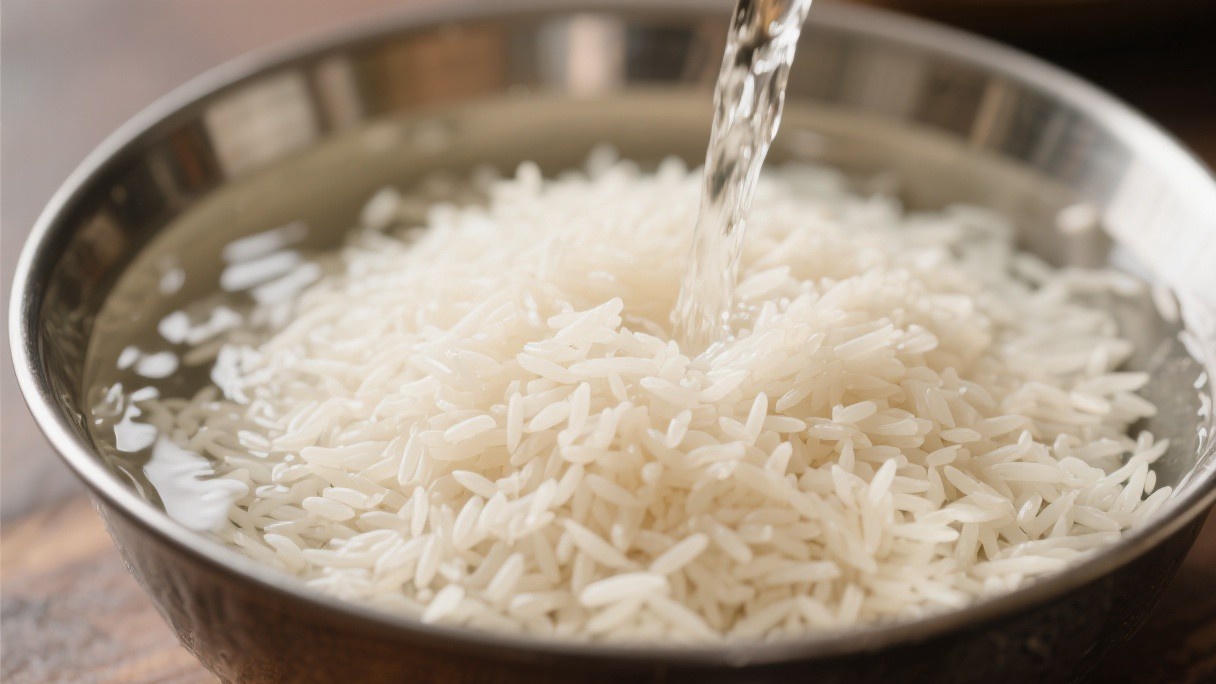
The quality of the rice is the single most important variable in biryani. I use aged basmati rice that has been stored for at least one year, which produces longer, more separate grains after cooking. Before anything else, I wash 500 grams of rice in three changes of cold water until the runoff is clear, then soak it for 30 minutes. Soaking hydrates the rice uniformly and reduces the cooking time by roughly 40 percent.
I parboil the rice in a large pot of salted water with 4 green cardamom pods, 2 bay leaves, and 1 cinnamon stick. The rice cooks for exactly 6 minutes, which leaves it about 70 percent done. Draining it immediately and spreading it on a sheet pan stops the cooking and prevents the grains from clumping.
Marinating the Protein
For a chicken biryani, I use bone-in pieces cut into serving portions, about 800 grams total. The marinade consists of 200 grams of thick plain yogurt, 2 tablespoons of ginger-garlic paste, 1 teaspoon of turmeric, 1.5 teaspoons of Kashmiri chili powder, 1 teaspoon of garam masala, and 1.5 teaspoons of salt. The yogurt tenderizes the meat through its acidity while the spices penetrate the surface.
I marinate the chicken for at least 2 hours in the refrigerator, though overnight produces noticeably deeper flavor. Before assembling the biryani, I sear the marinated chicken in a heavy pot with 3 tablespoons of ghee until the pieces develop a light brown color on each side, about 4 minutes per side.
Building the Layers
Assembly is where biryani becomes an act of construction. At the bottom of a heavy-bottomed Dutch oven, I layer sliced onions that have been fried until deep golden brown, followed by the seared chicken and its juices. Over the chicken, I scatter a handful of chopped fresh mint, a handful of chopped cilantro, and 3 slit green chiles. Then I spread the parboiled rice evenly across the top in a thick layer.
Over the rice, I drizzle 2 tablespoons of ghee, sprinkle a pinch of saffron that has been bloomed in 3 tablespoons of warm milk, and add another layer of fresh herbs. The saffron milk gives the top grains a distinctive golden hue and a floral aroma that permeates the entire dish.
The Dum Cooking Technique
Sealing the pot is what transforms biryani from a pilaf into something extraordinary. I make a simple dough from flour and water, roll it into a long rope, and press it around the rim of the pot. Then I place the lid on top and press firmly so the dough acts as a gasket. The pot goes over a tawa, or flat griddle, on the lowest possible flame. The tawa diffuses the heat and prevents the bottom from scorching.
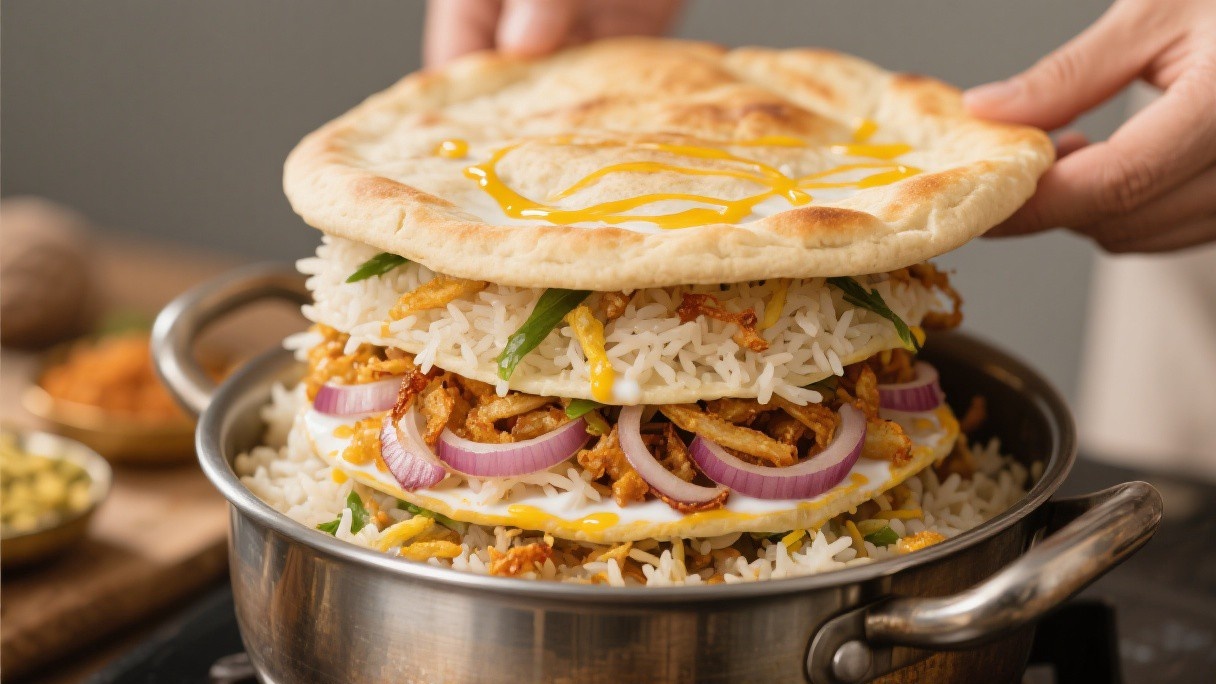
I cook the biryani for exactly 35 minutes without lifting the lid. The trapped steam slowly finishes cooking the rice and gently braises the chicken without agitating it. After 35 minutes, I remove the pot from the heat and let it rest for 10 minutes before breaking the seal.
Serving and Garnishing
When the seal is broken, the aroma that escapes is remarkably compelling in all of cooking. I use a wide spatula to lift from the bottom of the pot, ensuring each serving contains rice from multiple layers along with a piece of chicken. The fried onions, herbs, and saffron threads that were layered throughout should be visible in the finished plate.
I serve biryani with a simple raita made from whisked yogurt, diced cucumber, and a pinch of roasted cumin powder on the side. The cool, tangy raita provides a counterpoint to the rich, spiced rice and keeps the palate refreshed between bites.
Leftover Biryani and Reheating Tips
Biryani reheats remarkably well, which makes it an excellent dish for feeding a crowd or preparing ahead for a gathering. I store leftover biryani in the refrigerator in the cooking pot with the lid on, which keeps it from drying out. To reheat, I sprinkle 2 to 3 tablespoons of water over the surface, cover the pot, and warm it over medium-low heat for about 10 minutes, stirring gently once or twice.
The water creates steam that rehydrates the rice and prevents it from becoming hard or crunchy. I never reheat biryani in the microwave, because the uneven heating dries out some grains while making others gummy. Leftover biryani also makes an extraordinary filling for samosas when mixed with a small amount of mashed potato to bind it together.
Set realistic expectations for your first attempt and focus on learning rather than perfection. The techniques described here are forgiving by nature, so even missteps produce edible results. With each repetition, your timing improves, your palate sharpens, and your confidence grows.