Homemade Fruit Tart Assembly: Professional Techniques for Stunning Pastry Creations
Dessert
|
February 19, 2026
Fruit Tart Assembly might seem like the domain of professional kitchens, but the core techniques are straightforward once you understand the science behind them. Home cooks who master these fundamentals consistently produce results that surprise and impress. The key is focusing on quality ingredients and precise execution at each stage.
The Pâte Sucrée Foundation
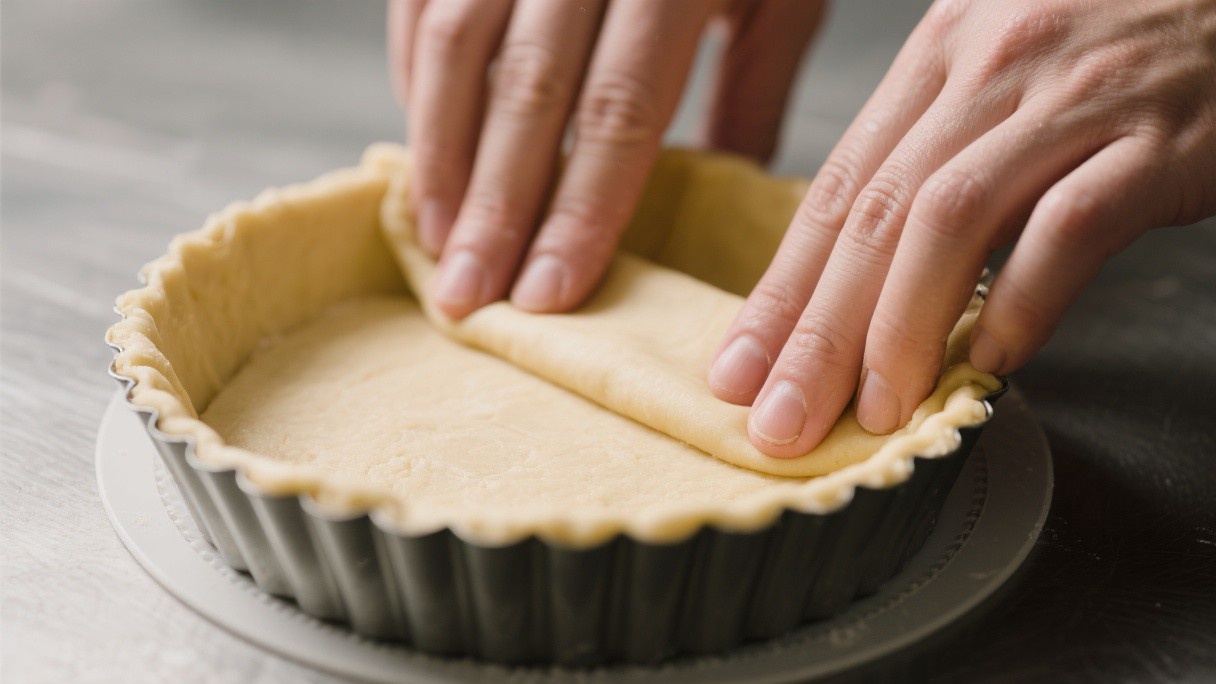
Unlike flaky pie crust, tart shell (pâte sucrée) is sweet, tender, and designed to hold its shape when sliced. Cream butter and sugar until fluffy, add egg yolk and vanilla, then flour just until combined. Chill dough thoroughly before rolling—this prevents shrinkage. Blind bake with weights until golden and completely cooked through.
Pastry Cream: The Essential Filling
Pastry cream (crème pâtissière) provides the foundation that makes fruit tarts shine. Cook milk with vanilla, temper in egg yolks with sugar and cornstarch, then return to heat until thick. Strain immediately and press plastic wrap onto the surface to prevent skin. Chill completely before using; it should be thick enough to spread but still creamy.
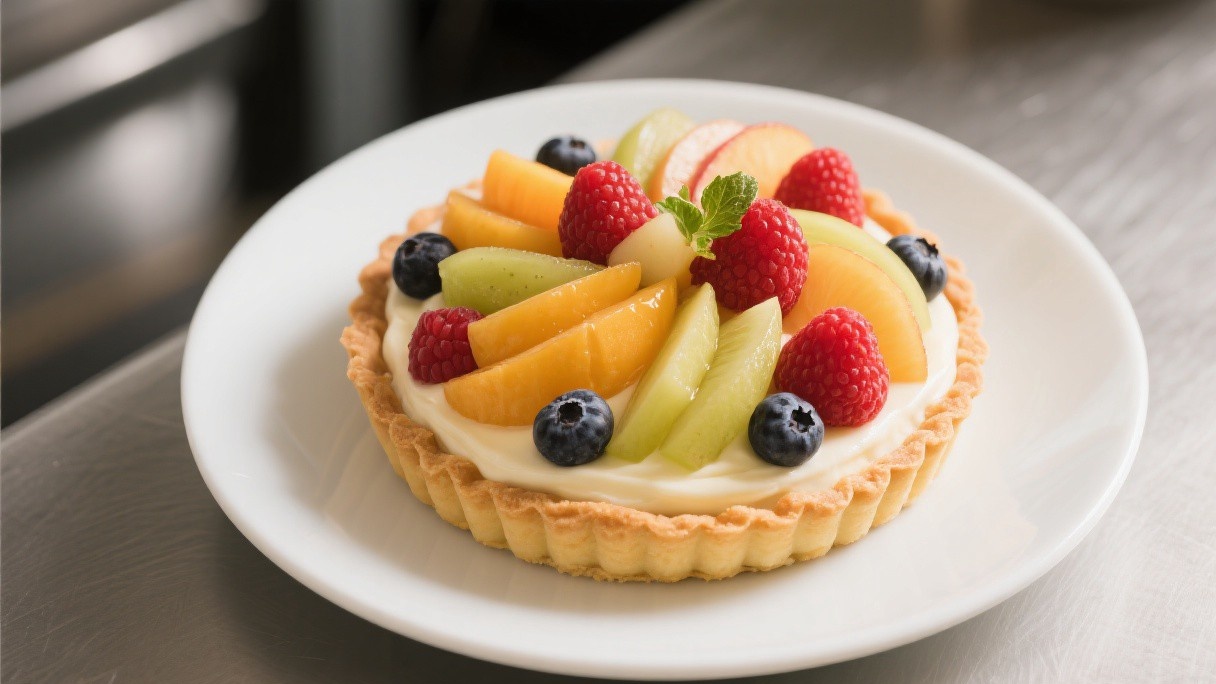
📷 Beautiful fruit tart with glazed berries
Glazing: The Professional Touch
Commercial fruit tarts glisten because of an apricot glaze applied after assembly. At home, warm apricot preserves with a splash of water, strain, and brush over fruit. The glaze seals fruit (preventing browning), adds shine, and gives professional polish. For clear glaze without apricot flavor, use warmed corn syrup or commercial glaze.
Arrangement Principles
Professional tart arrangers consider color balance, size consistency, and direction. Place largest fruit in center, work outward with smaller pieces. Cut berries should show cut side down (prettier) or up (easier). Kiwi slices look best fanned. Citrus segments (suprémes) arranged in circle create stunning presentation. Arrange on tart just before glazing to prevent color bleeding.
📷 Cutting fruit tart for serving
Assemble tarts the day of serving for best appearance. Refrigerate if made hours ahead, but bring to room temperature before serving for best flavor and texture. Each element can be made ahead and assembled fresh—that's the professional approach.
The Pastry Cream
Perfecting pastry cream through countless batches, achieving the silky consistency that holds its shape without being rubbery. Vanilla bean, proper tempering, and careful cooking make all the difference. This cream has become the signature.
Fruit Selection
Choosing fruit at peak ripeness, sometimes adjusting the plans based on what's available at the market. Seasonal fruit tastes better and costs less. This flexibility improves results the tarts dramatically.
Creating the Perfect Shortcrust Pastry
The tart shell, or pate sucree, requires precise handling to achieve its characteristic buttery, crumbly texture. Cold butter cut into the flour creates small pockets that, during baking, release steam and form flaky layers. Overworking the dough develops gluten and results in a tough, shrinkable shell. After mixing, the dough should be chilled for at least one hour before rolling.
Blind baking the shell with pie weights or dried beans prevents the bottom from puffing up and ensures a crisp, evenly cooked base that will not become soggy when filled with cream and fruit.
Arranging Fruit Like a Professional
The visual appeal of a fruit tart depends entirely on the arrangement of the fruit on top of the pastry cream. Starting from the outside edge and working inward in concentric circles creates a polished, professional look. Each slice of fruit should overlap the previous one by approximately one-third. Thin, even slices of stone fruits, strawberries, and kiwi create the most striking presentations.
A light glaze of warmed apricot jam brushed over the arranged fruit adds shine, enhances the colors, and prevents the cut surfaces from oxidizing and drying out.
Pastry Cream Mastery
The pastry cream, or creme patissiere, that fills a fruit tart is a crucial component that deserves as much attention as the crust and fruit. A proper pastry cream is thick enough to hold its shape when sliced but smooth and creamy on the palate. The key technique is tempering the egg yolks by slowly adding hot milk while whisking constantly, which prevents scrambling.
Cooking the mixture until it reaches a full boil for one minute ensures the cornstarch is fully activated and the cream has adequate body. Adding vanilla bean paste rather than extract provides the most authentic, aromatic flavor. Spreading the cream while still warm creates the smoothest surface for fruit arrangement.
Seasonal Fruit Selection and Preparation
The best fruit tarts showcase seasonal produce at its peak. Spring tarts feature strawberries, raspberries, and early apricots. Summer offers the widest variety, including peaches, plums, blueberries, and blackberries. Autumn tarts highlight figs, pears, and apples, which benefit from a brief pre-roasting to concentrate their flavors. Winter citrus tarts, using oranges, grapefruits, and blood oranges, provide bright color and acidity during the darkest months.
Regardless of the season, the fruit should be perfectly ripe but still firm enough to hold its shape when sliced and arranged on the tart.
Making Tarts Ahead for Events
Fruit tarts can be partially prepared in advance, making them an excellent choice for events and gatherings. The tart shell can be baked and stored in an airtight container at room temperature for up to three days. The pastry cream can be made a day ahead and refrigerated, then brought to room temperature and whisked smooth before spreading. The fruit should be arranged as close to serving time as possible to prevent the juices from seeping into the cream.
This component-based preparation approach allows the baker to assemble a stunning tart in approximately thirty minutes, even when serving a large group.
Do not let the length of these instructions intimidate you. Break the process into stages, tackle one at a time, and soon the entire workflow will feel natural. The investment of time and attention pays dividends every single time you serve the finished dish.
A well-made fruit tart is a study in contrasts: crisp shell, creamy filling, and bright fresh fruit. Practice your pastry cream technique and your crimping, and you will have a dessert that looks as stunning as it tastes.