Fresh Vegetable Juice Recipes: Nutritious Blends for Health and Vitality
Beverage
|
March 2, 2026
Fresh Vegetable Juice Recipes is a craft that rewards patience and attention to detail. Whether you are a curious beginner or an experienced cook looking to refine your technique, understanding the fundamentals transforms ordinary ingredients into something remarkable. The journey from raw materials to finished dish involves specific steps that, once mastered, become second nature.
The Juicer Question: Centrifugal vs. Masticating
Centrifugal juicers spin quickly and are ideal for hard vegetables and fruits; they create juice quickly but produce more foam and heat, which may degrade nutrients slightly. Masticating (cold-press) juicers operate slowly, extracting more juice and preserving nutrients longer. For serious juicing, invest in a quality masticating juicer—the yield difference alone pays for itself.
Building Balanced Flavors
Vegetable juice can be challenging because many vegetables taste harsh alone. Balancing sweet (carrots, beets, apples), savory (celery, cucumber, spinach), and acidic (lemon, ginger) elements. Start with a base of cucumber and celery for hydration and mild flavor, then add sweeter and more intense vegetables to taste.
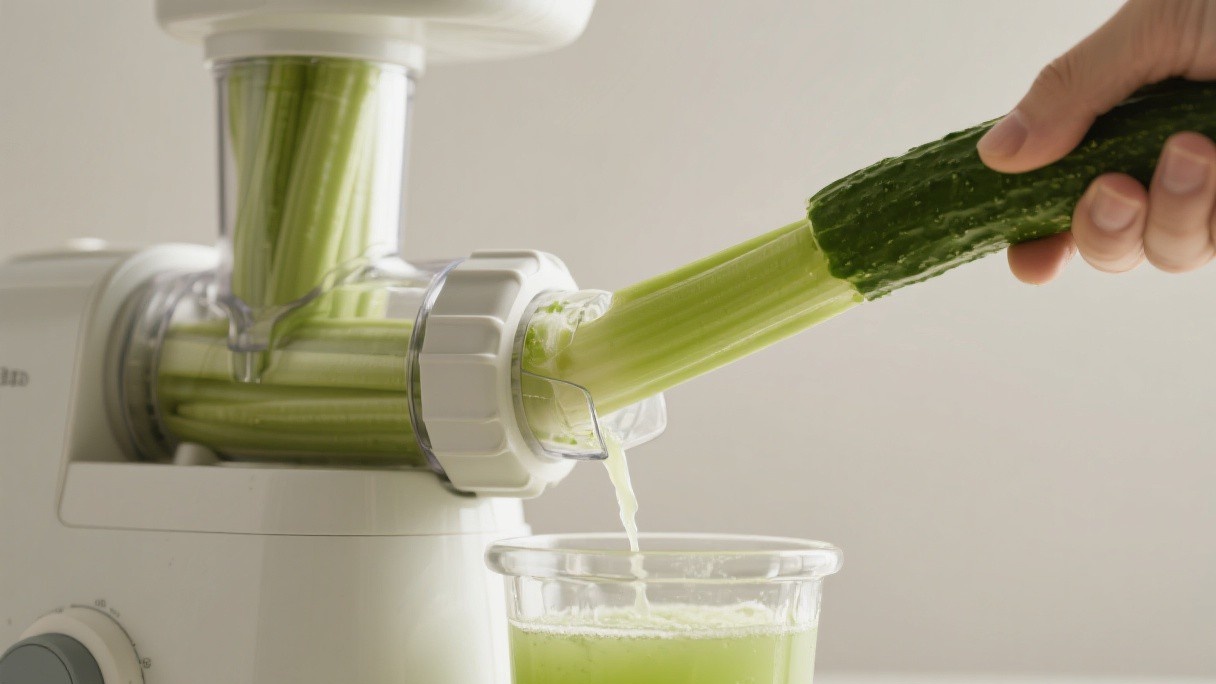
📷 Fresh vegetable juice glasses
Color-Based Nutrition
Think of your juice as a rainbow: orange (carrots, sweet potatoes) provides beta-carotene; red (beets, tomatoes) offers nitrates and lycopene; green (spinach, kale, cucumber) delivers chlorophyll and iron; white (garlic, cauliflower) contributes sulfur compounds and immune support. Rotate through colors to ensure diverse nutrient intake.
The Ginger-Lemon Connection
Ginger and lemon are the secret weapons of vegetable juicing. Ginger adds warmth, digestive benefits, and a spicy complexity that makes otherwise harsh vegetables palatable. Lemon brightens everything, adding vitamin C and a clean finish. Start conservatively with ginger—it's potent—and adjust to your taste.
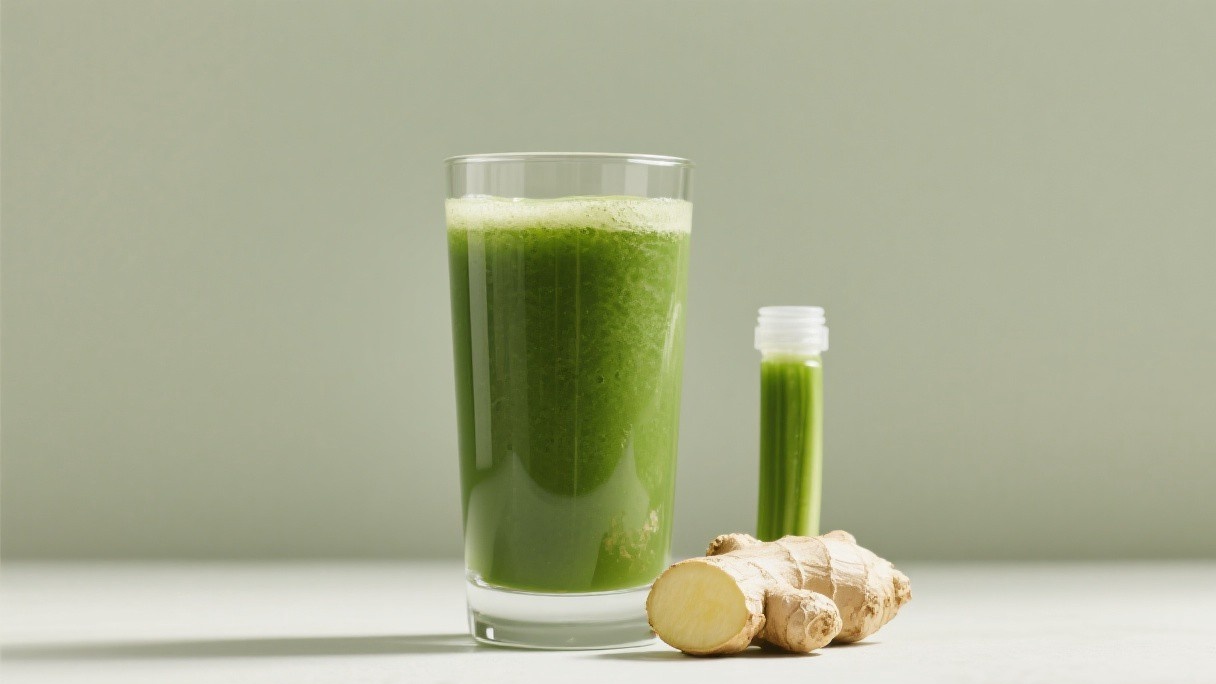
📷 Fresh vegetables for juicing
Drink juice immediately after making; nutrient content degrades rapidly. Use organic produce when possible, especially for items you'll be juicing daily. Fresh vegetable juice isn't a meal replacement but a powerful supplement to an already healthy diet.
The Ingredient Sourcing
Local farmers provide who provide organic vegetables at peak freshness. The difference between store-bought and farm-fresh produce is dramatic in juice—brighter flavors, deeper colors, better nutrition. These relationships have become important to the practice.
Cleaning Routine
The biggest deterrent to juicing is cleanup. An efficient cleaning system—rinse immediately, scrub parts while the machine is still wet, air dry on a dedicated rack. This routine makes daily juicing sustainable, not a chore to be avoided.
Maximizing Nutritional Extraction
Cold-press juicers extract significantly more nutrients and enzymes than centrifugal models, which generate heat that can degrade sensitive vitamins. The slower extraction process also yields more juice from the same amount of produce. For maximum health benefits, juice should be consumed within fifteen minutes of extraction, as oxidation begins immediately and diminishes the nutritional value over time.
If immediate consumption is not possible, storing juice in an airtight glass container with a squeeze of lemon juice helps slow oxidation and preserve color.
Balancing Flavors in Green Juices
Green vegetable juices can be challenging to make palatable without excessive fruit. The solution lies in strategic ingredient pairing. Cucumber and celery provide a high-water, mild base that dilutes stronger flavors. Green apple adds natural sweetness without overpowering the vegetable character. Lemon juice brightens the entire blend and masks bitter notes from kale or spinach. Ginger adds a warming spice that distracts from earthy vegetable flavors.
A ratio of sixty percent mild vegetables to twenty percent leafy greens and twenty percent fruit produces a balanced, drinkable juice.
Green Juice Recipes for Beginners
Starting a green juice practice can feel intimidating, but beginning with approachable recipes builds confidence and taste familiarity. A simple combination of cucumber, green apple, lemon, and spinach produces a mild, slightly sweet juice that is easy to enjoy. Adding one leaf of kale or a small piece of ginger gradually introduces more assertive flavors. As the palate adjusts, more complex combinations like celery, fennel, green apple, and lime become appealing.
The transition from fruit-heavy juices to vegetable-forward blends should happen gradually over several weeks, allowing taste buds to adapt without resistance.
Juice Cleansing: Myths and Realities
Juice cleanses have become popular as a method for detoxification and weight loss, but separating fact from fiction is important. While fresh vegetable juice provides concentrated vitamins and minerals, it lacks the fiber that whole vegetables offer. A short cleanse of one to three days can serve as a reset for eating habits and may reduce bloating, but extended cleanses are unnecessary and potentially nutritionally inadequate.
The most sustainable approach is incorporating one or two glasses of fresh vegetable juice into a balanced daily diet rather than relying on juice as a sole nutrition source. Consulting a healthcare professional before beginning any cleanse is always advisable.
Seasonal Juicing Guide
Adapting juice recipes to seasonal produce ensures the best flavor and nutritional value. Spring brings tender greens like dandelion and watercress, which pair beautifully with apple and ginger. Summer offers an abundance of cucumbers, watermelon, and berries that create refreshing, hydrating juices. Autumn introduces harder vegetables like carrots, beets, and sweet potatoes that produce earthy, warming blends. Winter citrus, including grapefruit, orange, and blood orange, provides vitamin C during cold months and creates bright, tangy juices.
Following the seasonal cycle keeps juicing interesting and takes advantage of peak freshness and affordability.
A single juicing session each morning can replace a multivitamin and set a healthy tone for the entire day. Start with familiar flavors, then gradually introduce greens and roots. Your body will tell you what works, and the energy difference becomes noticeable within the first week.