Japanese Highball: The Whiskey and Soda Ratio That Changed Drinking
Beverage
|
March 7, 2026
There is a reason Japanese Highball has endured as a beloved tradition across cultures. When done right, the results far surpass anything store-bought or restaurant-made. The secret lies in understanding a few core principles and applying them consistently. With the right approach, you can achieve professional-quality results in your own kitchen.
The Whiskey Selection and Chill Factor
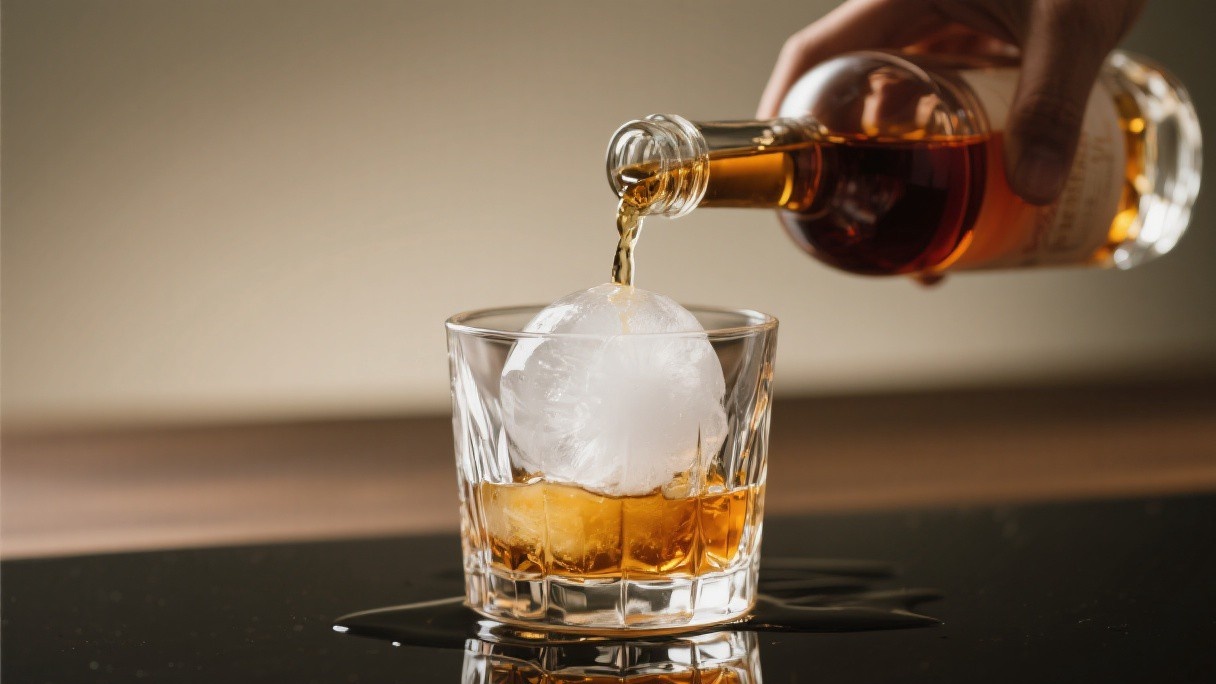
Japanese highball bars typically use a blended whiskey, most commonly Suntory Kakubin, which has a light, malty profile with notes of grain, light oak, and a hint of citrus. Single malt whiskeys are generally considered too complex and assertive for a highball, as their nuanced flavors are overwhelmed by the soda. I keep a bottle of Kakubin or a similar Japanese blend in my freezer, because the whiskey should be as cold as possible when it enters the glass.
Cold temperature reduces the volatility of the alcohol and allows the more subtle aromatic compounds in the whiskey to express themselves. The standard pour is 45 milliliters of whiskey per serving, though some bars pour 60 milliliters for a stronger version.
Carbonation and the Two-Pour Method
The soda water is arguably more important than the whiskey in a Japanese highball. I use a soda siphon charged with CO2 cartridges, which produces finer, more persistent bubbles than commercially bottled soda water. The carbonation level should be high, and the soda should be ice-cold, stored in the refrigerator at about 3 degrees Celsius.
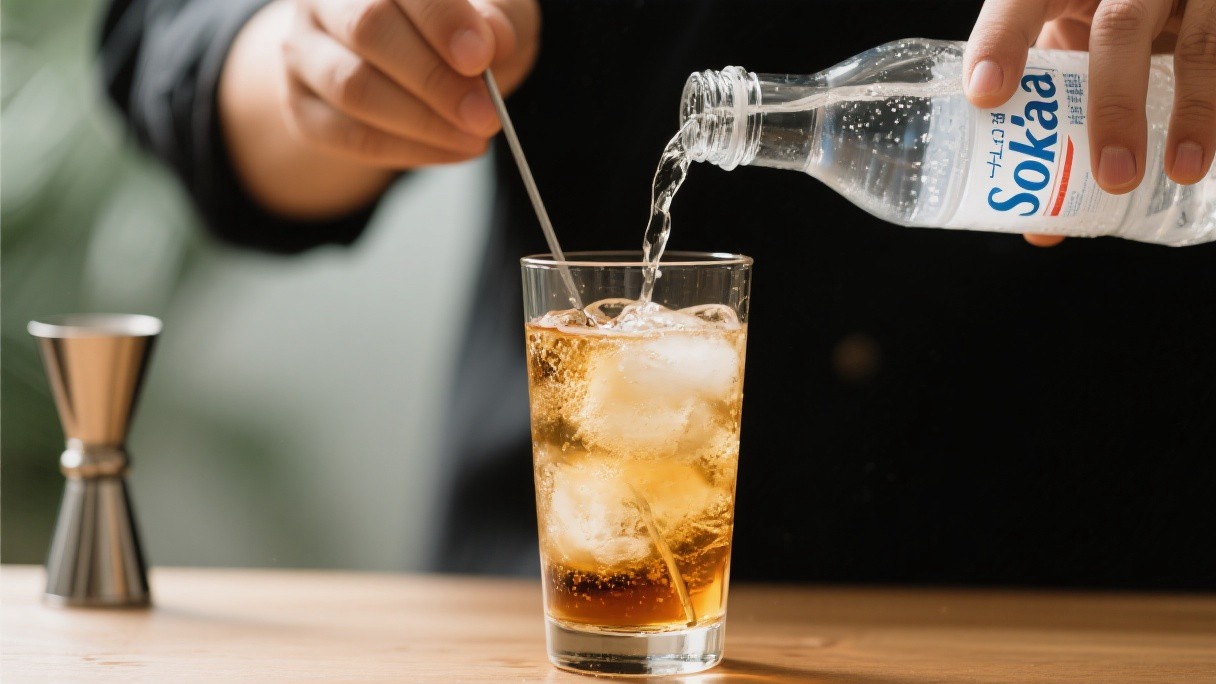
The two-pour method is essential: I fill a chilled Collins glass with ice, pour in the whiskey, and stir gently for 10 seconds to chill the spirit. Then I add soda water in two stages. The first pour fills the glass to about two-thirds, and I stir gently with a bar spoon, lifting from the bottom, for exactly 3 seconds. The second pour fills the glass to the top, and I stir once, briefly, to integrate.
Over-stirring kills the carbonation, which is the most common mistake in highball preparation.
Ice Selection and Glass Preparation
The ice in a Japanese highball is not an afterthought. I use a single large block of hand-cut ice that fills most of the glass, or alternatively, three to four large cubes cut from a block. The ice should be clear, without cracks or cloudiness, because cloudy ice melts faster and dilutes the drink. I keep my ice molds in the freezer at minus 18 degrees Celsius and cut the blocks to size with a serrated knife just before use.
The glass itself should be chilled in the freezer for at least 15 minutes before building the drink. A warm glass causes the ice to melt immediately on contact, which compromises both the carbonation and the dilution rate. The Collins glass is the standard vessel, tall and narrow, which concentrates the aromas and showcases the effervescence.
The Ideal Ratio and Adjustments
The standard Japanese highball ratio is 1 part whiskey to 3 parts soda water, which for a 45-milliliter pour of whiskey translates to 135 milliliters of soda. This ratio produces a drink that is about 10 percent ABV, which is light enough to be sessionable but flavorful enough to be interesting.
I have found that the ratio can be adjusted slightly based on the whiskey: a richer, more full-bodied blend can support a 1:4 ratio, while a lighter blend works better at 1:3. The total volume of the drink, including the ice displacement, should be about 180 to 200 milliliters. A thin strip of lemon peel twisted over the surface releases citrus oils that complement the whiskey without adding acidity, though this is optional and not traditional in most highball bars.
Food Pairings and Drinking Culture
In Japan, the highball is considered a food-friendly drink that cleanses the palate between bites rather than competing with the meal. I pair it with yakitori, specifically the negima and tsukune varieties, where the charred chicken skin and scallion flavors harmonize with the light maltiness of the whiskey. It also pairs well with tempura, edamame, and sashimi. The carbonation cuts through fried foods effectively, while the low alcohol content allows for extended drinking without palate fatigue.
The highball experienced a massive resurgence in Japan after 2008 when Suntory launched a highball-focused campaign, and dedicated highball bars now number in the thousands across Tokyo alone. The culture around the drink emphasizes precision, restraint, and the appreciation of subtle differences in flavor and texture.
Agua Fresca for Large Gatherings
When I prepare aguas frescas for parties, I scale the recipes up and make the fruit bases in advance. I blend and strain the fruit purees and store them in the refrigerator in sealed containers for up to 24 hours. The water and sweetener are added just before serving, which maximizes freshness and prevents the flavors from becoming flat. For a party of 20, I prepare three varieties, watermelon, cucumber-lime, and Jamaica, in 5-liter beverage dispensers with ice.
I label each dispenser with the flavor and provide both sugar and agave syrup on the side so guests can adjust the sweetness to their preference. The visual impact of three large dispensers filled with brightly colored aguas frescas is striking, and they are always the first drinks to run out at any gathering I host.
Share what you make with friends and family. Cooking is meant to be enjoyed communally, and feedback from others helps you improve faster than tasting alone. Plus, the act of serving something you made from scratch is one of the most rewarding experiences a home cook can have.