Crispy Skin Perfection: Mastering Duck Breast Technique
Meat
|
March 19, 2026
Crispy Skin Perfection is a craft that rewards patience and attention to detail. Whether you are a curious beginner or an experienced cook looking to refine your technique, understanding the fundamentals transforms ordinary ingredients into something remarkable. The journey from raw materials to finished dish involves specific steps that, once mastered, become second nature.
The Scoring Secret
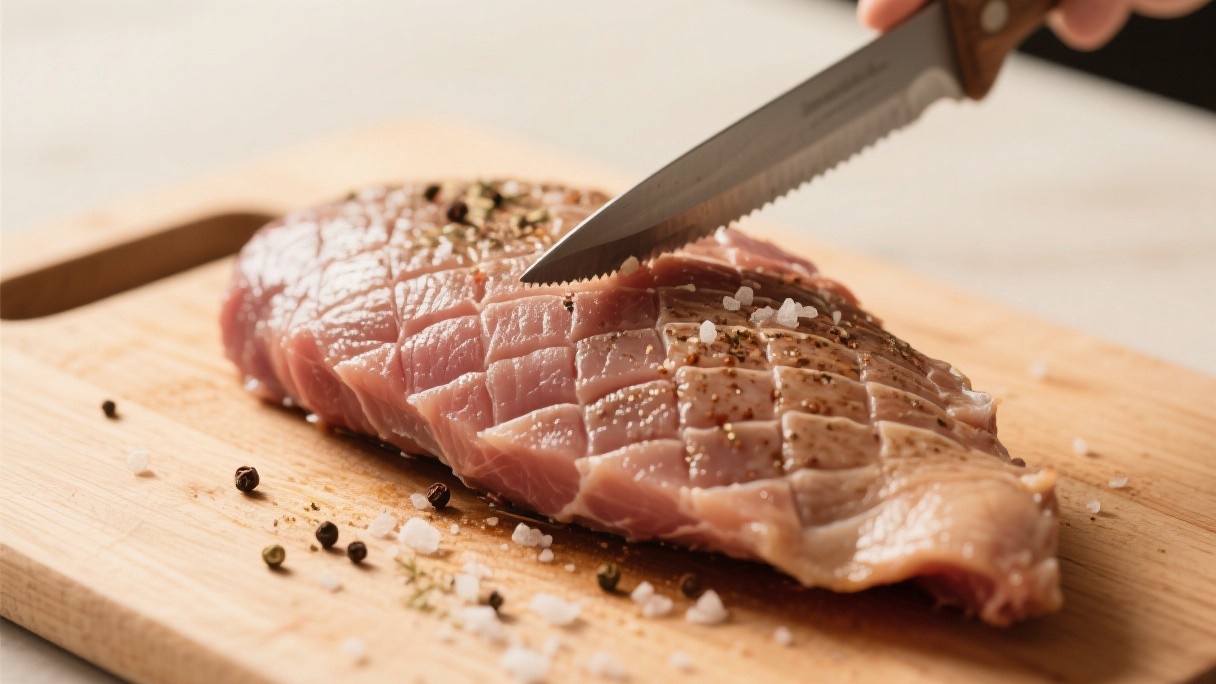
Duck skin must be scored—cutting through the fat layer without cutting into the meat. The cuts allow fat to escape and skin to lay flat against the pan. Use a sharp knife and score in a crosshatch pattern, spacing cuts about 1/2 inch apart. Don't skip this step; unscored skin will curl and cook unevenly.
Dry and Cold
Moisture prevents browning, so dry the scored duck breast thoroughly with paper towels. Refrigerate uncovered overnight on a rack—the air circulation further dries the skin. This dry skin crisps dramatically when cooked, similar to properly dried chicken skin for fried chicken.
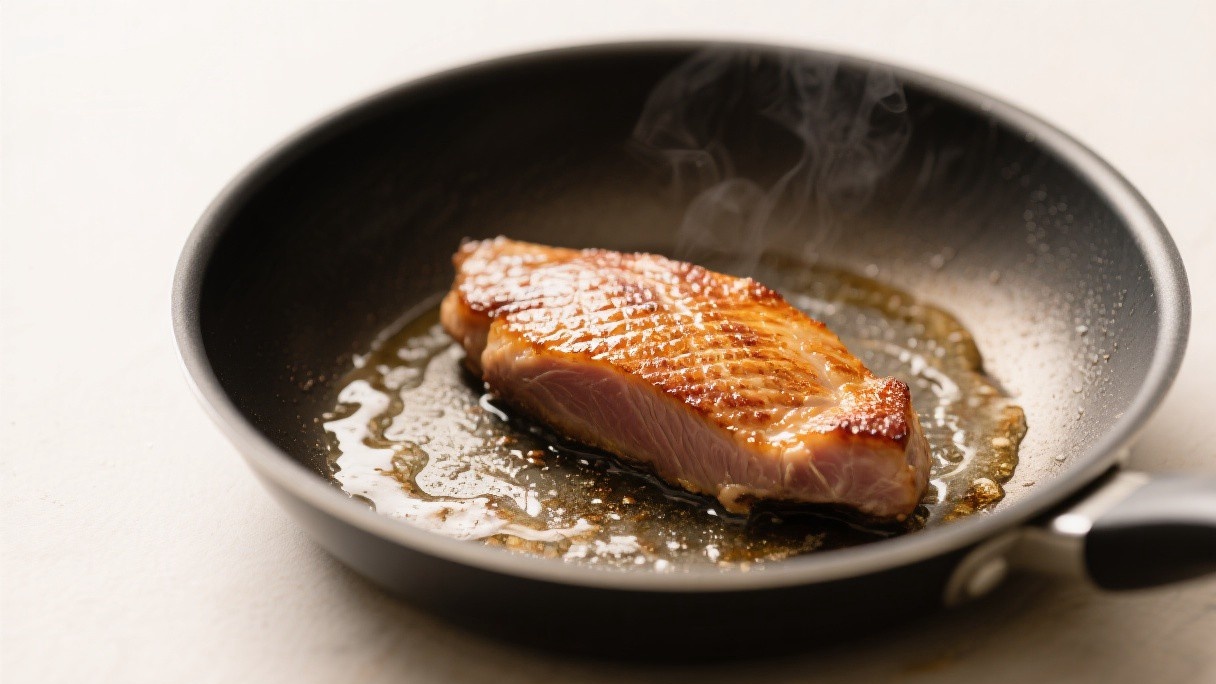
📷 Pan seared duck breast with crispy skin
The Pan Technique
Start duck skin-side down in a cold pan—no oil needed, the fat renders as heat increases. Place a heavy lid or another pan on top to keep skin flat. Cook over medium-low for 12-15 minutes, spooning off rendered fat periodically (save it—duck fat is liquid gold for roasting potatoes). The fat should bubble gently, not spit violently.
The Flip and Finish
When skin is deep mahogany and crispy, flip and cook meat-side for just 2-3 minutes for medium-rare. Internal temperature should reach 130-135°F. Rest 5-10 minutes—the carryover cooking brings it to perfect 135-140°F medium-rare. Slice across the grain and fan on plates. Serve with cherry sauce, orange glaze, or simple jus.
📷 Sliced duck breast showing pink interior
Rendered duck fat keeps refrigerated for weeks. Use it to roast potatoes, confit garlic, or sauté vegetables. The byproduct of cooking duck elevates everything it touches—making duck remarkably efficient proteins in the kitchen.
Score Pattern
I developed a diamond scoring pattern that renders fat evenly while creating attractive presentation. The depth matters—too shallow and the fat doesn't render; too deep and the meat dries out. This balance took practice to achieve.
Sauce Pairings
I created several sauces that complement duck—cherry port, orange Grand Marnier, balsamic reduction. Each brings out different aspects of the rich meat, allowing me to vary the dish while keeping the technique constant.
Rendering the Fat Properly
I have mastered the technique for rendering the thick layer of fat between the skin and the meat that must be rendered completely for crispy skin. I score the skin in a crosshatch pattern, cutting through the fat but never into the meat, which increases the surface area for rendering. Starting the breast skin-side down in a cold pan and gradually increasing the heat allows the fat to render slowly and evenly. This process takes approximately twelve to fifteen minutes.
I pour off the accumulated fat periodically, which prevents the skin from frying rather than rendering and causing it to burn before becoming crisp.
Sauce Pairings and Doneness
I have found that duck breast is best served medium-rare, with an internal temperature of 130 to 135 degrees Fahrenheit, which produces a rosy pink interior that is tender and juicy. Overcooking duck breast makes it tough and livery. The rich, gamey flavor of duck pairs exceptionally well with fruit-based sauces. Cherry port reduction, orange and ginger glaze, and fig compote are my favorite accompaniments that provide sweetness and acidity to cut through the richness.
I also enjoy a simple red wine reduction with shallots and thyme, which complements without overwhelming the natural duck flavor.
Rendering Duck Fat for Cooking
The fat rendered from duck breast during cooking is a valuable culinary resource that should never be discarded. Duck fat has a high smoke point and a rich, savory flavor that makes it exceptional for cooking. Potatoes roasted in duck fat become impossibly crispy on the outside and fluffy within. Vegetables sauteed in duck fat gain a depth of flavor that butter or oil cannot match. Duck fat can be used to confit garlic, creating a spreadable, caramelized treat.
After rendering, strain the fat through a fine-mesh sieve into a jar and refrigerate for up to six months or freeze for up to a year. This approach maximizes the value of every duck breast purchase.
Duck Breast Doneness Guide
Duck breast requires precise temperature management to achieve the ideal balance of crispy skin and tender, rosy meat. Removing the breast from the heat at 125 degrees Fahrenheit and allowing it to rest for eight to ten minutes results in a medium-rare finish of approximately 130 to 135 degrees. The skin should remain on during resting to keep it crisp.
For those who prefer their duck more cooked, 140 degrees produces a medium finish with less pink but still acceptable juiciness. Beyond 145 degrees, duck breast becomes dry and tough, losing the qualities that make it special. A reliable instant-read thermometer is the best tool for achieving consistent results.
Side Dish Pairings for Duck
Duck breast's rich, fatty character demands side dishes that provide contrast and balance. Root vegetables like parsnips, celery root, and sweet potatoes, roasted until caramelized, offer earthy sweetness that complements the savory meat. Bitter greens such as arugula, radicchio, or braised endive cut through the richness with their sharp, peppery notes. Fruit-based sides like cherry compote, orange segments, or figs echo the traditional fruit-based sauce pairings.
A simple pilaf or wild rice pilaf provides a neutral, textural base that absorbs the flavorful sauces. These pairings create a well-rounded plate that highlights the duck without overwhelming it.
Keep your ingredients fresh and your workspace organized before you begin. Preparation matters more than fancy tools or expensive components. When everything is measured and within reach, the actual cooking becomes enjoyable rather than frantic, and the results show in every bite.