Herbal Tea Blending at Home: Creating Custom Botanical Wellness Blends
Beverage
|
March 4, 2026
Herbal tea blending at home gives you control over every ingredient, allowing you to create blends tailored to your specific health needs and taste preferences. Dried herbs, flowers, and roots each contribute unique properties, from calming chamomile to invigorating peppermint. Understanding how these botanicals interact is the foundation of blending well.
Dried Herbs vs Fresh Herbs
Effective blending requires understanding herb roles. Base herbs (chamomile, lavender, rose) provide body and foundation. High-note herbs (mint, lemon balm, lemon verbena) add brightness and aroma. Support herbs (licorice root, stevia) contribute depth or sweetness. Aromatic herbs (eucalyptus, jasmine) add finishing character. Each category serves a function in the blend.
The Balancing Act
Strong herbs dominate; use them sparingly—5-10% of the blend. Medium herbs provide body at 10-20%. Base herbs typically form the bulk at 50-70%. Start conservative and adjust. Taste as you blend, brewing small samples rather than committing to large batches. Your palate evolves with experience, and perfect blending is always iterative.
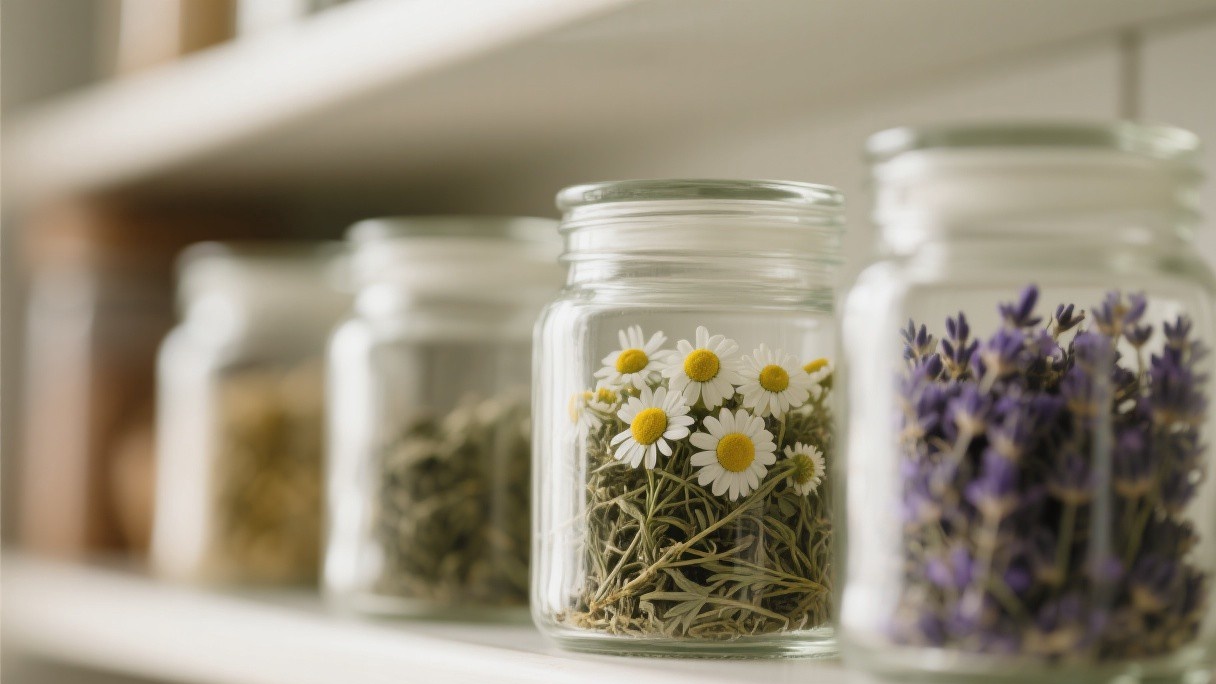
📷 Herbal tea ingredients and blends
Functional Blends
Create blends for specific purposes: a sleep blend might combine chamomile (base), lavender (high-note), and passionflower (support). A focus blend could feature green tea (caffeine), ginkgo (circulation), and rosemary (memory). A digestion blend might include peppermint, ginger, and fennel. Research herb properties and combine thoughtfully.
Storage and Freshness
Dried herbs lose potency over time—use within a year for best flavor. Store in airtight containers away from light and heat. Label everything with ingredients and date. Small batches stay fresher longer than large quantities. Grind herbs just before brewing when possible for maximum aromatics.
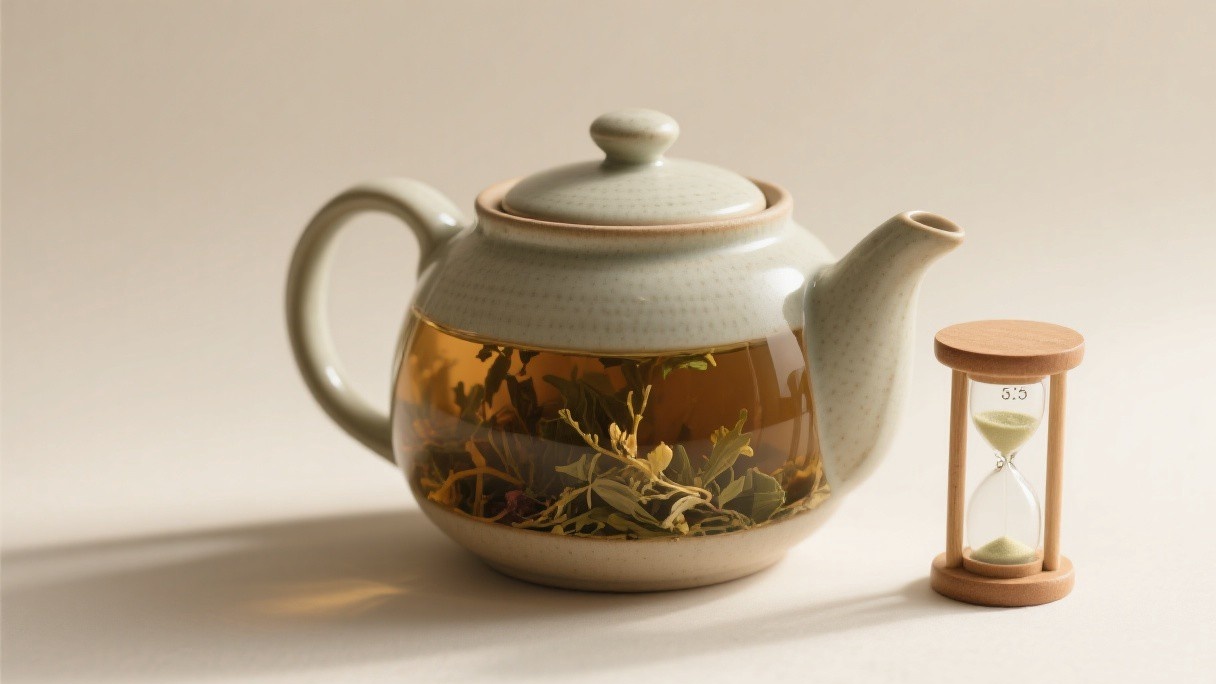
📷 Brewing herbal tea
The beauty of home blending is customization impossible to find commercially. Blend for your exact needs, adjust for your specific taste, and enjoy tea as a personal expression of wellness and creativity.
Building a Personal Tea Blend
Creating a custom herbal tea blend follows a simple framework of base, accent, and bridge ingredients. The base, comprising sixty to seventy percent of the blend, provides the primary flavor and body. Chamomile, peppermint, and rooibos are popular base choices. The accent, at twenty to thirty percent, adds complementary flavors such as lavender, lemon verbena, or hibiscus.
The bridge ingredient, just five to ten percent, ties everything together with a unifying note like cardamom, vanilla bean, or a small amount of stevia leaf for natural sweetness.
Drying and Storing Herbs Properly
Fresh herbs can be air-dried by hanging small bunches upside down in a warm, well-ventilated area away from direct sunlight. This process typically takes one to two weeks depending on the herb and humidity levels. A food dehydrator set to 95 degrees Fahrenheit provides more consistent results and preserves color more effectively. Once completely dry, herbs should be stored in airtight glass jars away from light and heat.
Properly dried and stored herbs maintain their potency for six to twelve months, after which they gradually lose flavor intensity.
Herbal Tea for Specific Wellness Goals
Different herbs offer targeted wellness benefits that can be harnessed through intentional blending. Chamomile and valerian root promote relaxation and better sleep when consumed before bedtime. Peppermint and ginger support digestive health and can ease nausea or bloating. Echinacea and elderberry are traditionally used during cold and flu season for immune support. Ashwagandha and holy basil, known as adaptogens, help the body manage stress and maintain balance. Hibiscus and rooibos are rich in antioxidants and support cardiovascular health.
Blending herbs with complementary benefits creates teas that address specific wellness goals while providing an enjoyable drinking experience.
Growing Your Own Tea Herbs
Many common tea herbs are easy to grow at home, even in small spaces or containers. Mint, chamomile, lemon balm, and lavender thrive in garden beds or pots on a sunny balcony. Fresh herbs provide more vibrant flavor than dried versions and can be harvested as needed throughout the growing season. Growing your own herbs also ensures they are free from pesticides and contaminants.
A small herb garden dedicated to tea ingredients provides a rewarding connection to the blending process and guarantees the freshest possible material. Drying the harvest at the end of the season creates a supply that lasts through the winter months.
Brewing Techniques for Maximum Flavor
Proper brewing technique is essential for extracting the full flavor and beneficial compounds from herbal teas. Most herbal blends require water just off the boil, approximately 200 to 212 degrees Fahrenheit, and a steeping time of five to seven minutes. Delicate flowers like chamomile benefit from slightly lower water temperatures around 190 degrees to prevent scalding. Covering the cup or pot while steeping traps volatile essential oils that would otherwise escape with the steam.
Using one teaspoon of dried herb or one tablespoon of fresh herb per eight ounces of water provides the ideal strength. These techniques ensure every cup delivers the intended flavor and wellness benefits.
Serving Ideas
This beverage can be customized to your taste. Adjust sweetness, strength, or add complementary flavors. Fresh ingredients always produce the best results, so choose quality produce when possible.
Do not let the length of these instructions intimidate you. Break the process into stages, tackle one at a time, and soon the entire workflow will feel natural. The investment of time and attention pays dividends every single time you serve the finished dish.
Begin with two or three herbs you already enjoy in tea form, then experiment with blending different combinations. Dried herbs store well for up to six months in airtight jars away from light. Your custom blends make thoughtful gifts for fellow tea enthusiasts.