How To Stay Plant Based While Traveling: 5 Tricks For Eating Out Fast
Nutrition
|
February 10, 2026
Travel is where good intentions usually get ambushed by airport delays, late hotel check-ins, and menus built around meat and melted cheese. The problem is not that plant-based eating stops working on the road. It is that most people go looking for one perfect vegan meal instead of building a decent one from what is actually available.
Travel Changes The Way Plant-Based Eating Has To Work
At home, routines depend on familiar groceries, a stocked pantry, and knowing what's for lunch. On the road, you need something more flexible and fast.
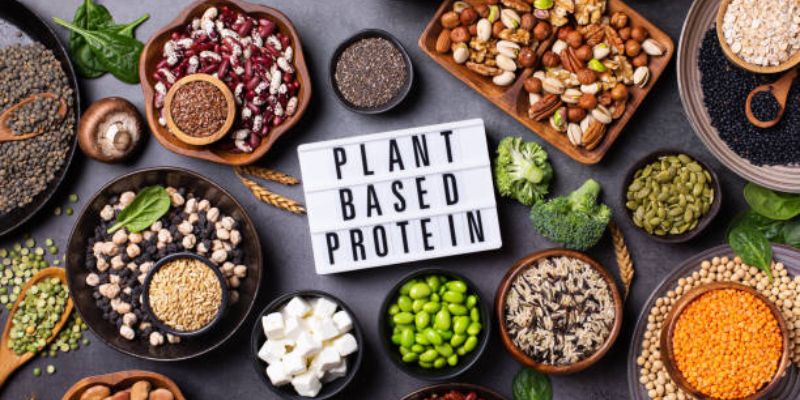
A plant-based approach means letting plants do most of the work—beans, grains, vegetables, fruit, nuts, seeds, hummus, lentils, oats, and tofu. It's not about perfection, just direction.
You're not cooking your ideal dinner in an airport terminal; you're trying to stay fed and feel decent without slipping into a day of random snacks and regret. A few smart habits matter more than strict rules.
Trick 1: Choose Restaurants That Already Speak Bean And Grain
When you are hungry and short on time, do not waste energy trying to force a steakhouse into your plant-based plan. Go where the ingredients are already on your side.
Cuisines That Usually Work Fast
Mexican, Middle Eastern, Mediterranean, Ethiopian, and South Asian places tend to be the easiest. They already use beans, lentils, rice, chickpeas, flatbreads, vegetables, and sauces that make sense together. A bean burrito without cheese, a falafel plate with hummus, or a lentil curry with rice usually gets the job done without much drama.
Build In Flavor So It Feels Like A Meal
This matters more than people think. Beans and rice are fine, but beans and rice with salsa, lime, avocado, and hot sauce feel like dinner. If the meal looks too beige or too soft, ask for pickled onions, extra herbs, lemon wedges, or something spicy. Texture and acid keep simple food from turning dull.
Trick 2: Read The Menu By Components, Not By Titles
A lot of restaurant menu names are useless when you eat plant-based food. The better approach is to scan for parts you can work with rather than hoping one item was designed for you.
Sides Can Save A Bad Menu
At diners, burger spots, and places with few options, the sides section is often the real menu. A baked potato, black beans, sautéed greens, grilled vegetables, plain rice, fruit, toast, or a side salad can make a full meal when combined properly.
I have built plenty of decent dinners out of a plain potato stuffed with beans and topped with salsa and hot sauce. It is not glamorous, but it is warm, cheap, and filling.
Ask About Butter And Hidden Dairy Early
Vegetables often get cooked in butter by default. White sauces can hide yogurt. Beans can sometimes be cooked with lard. Ask and move on. Can this be cooked in oil? works better than giving a speech. Fast plant-based meals on the road usually come from quick clarifying questions, not long negotiations.
Trick 3: Keep One Hotel Room Meal In Your Back Pocket
The easiest way to stay consistent while traveling is to remove at least one restaurant meal from the equation. A hotel room, even a very basic one, can still produce something solid.
The Chickpea Wrap Still Works
Buy a can of chickpeas, tortillas or bread, a lemon, and something crunchy like cucumber or baby carrots. Drain the chickpeas, mash them with a fork or the bottom of a mug, then mix in mustard, salt, hot sauce, or a little olive oil if you have it. Roll that into a tortilla with the vegetables, and you have a real meal in about five minutes.
Oats Are Better Than A Pastry Case Breakfast
Instant oats, nuts, dried fruit, and a spoonful of peanut or sunflower seed butter travel well and make a much better breakfast than whatever sugary muffin is left near the hotel coffee machine. Hot water is usually enough. This is one of the best travel-friendly plant-based recipes because it barely counts as cooking and still feels grounding.
Trick 4: Pack Food That Buys You Time, Not Just Calories
A lot of travel snacks are either too sweet, too tiny, or too expensive to be useful. The best backup food is the kind that keeps you from making a bad, rushed decision an hour later.
Better Things To Carry
Nuts, roasted chickpeas, protein bars you actually like, dried fruit, instant oatmeal packets, seed butter sachets, crackers, and shelf-stable soy milk all help. You do not need a survival bunker in your backpack. You need enough to bridge the gap between landing and finding proper food.
Small Snacks Prevent The Worst Ordering
This is one of the better healthy-eating-out hacks because it changes your decisions before you even sit down. If you are starving, you will order the fastest, heaviest item on the menu. If you have already had a handful of nuts or a bar, you can slow down and build a better meal.
Trick 5: Make The Social Part Easier Before It Gets Weird
Travel often means coworkers, family, conferences, weddings, or group dinners. The food itself is usually manageable. The awkwardness around it is what makes people give up.
Suggest The Place First
If you can choose the restaurant, do it. That one move solves half the problem. A little searching before dinner saves a lot of explanation later. It also helps beginners feel less trapped by other people's choices.
Keep The Order Casual
You do not need to announce your entire food philosophy to the table. Just order what works, ask a few direct questions, and keep moving. Most people lose interest quickly when you do not turn the meal into a debate.
Start with the trick that solves your biggest travel problem first. If mornings are where things fall apart, pack oats and nut butter. If restaurants Stress you out, focus on cuisines that already use beans, grains, and sauces well. Plant-based travel gets easier once you stop expecting perfect meals and start collecting a few reliable moves that work almost anywhere.