Homemade Chai Spice Mixtures: Traditional Masala Blends for Authentic Flavor
Beverage
|
February 26, 2026
Learning to make Chai Spice Mixtures at home is one of the most satisfying culinary projects you can undertake. The process connects you to centuries of tradition while giving you room to develop your own style. Each attempt teaches you something new about ingredients, timing, and technique, building confidence with every batch.
The Essential Spices
Authentic chai spice starts with cardamom—the queen of Indian spices. Green cardamom pods crushed and added to tea provide that characteristic floral, citrusy note. Cinnamon adds warmth and sweetness; star anise contributes licorice complexity; cloves bring pungency and depth; black pepper adds the essential heat that distinguishes chai from mere spiced tea.
The Spice Ratios
Traditional recipes vary by family and region, but a good starting ratio for masala spice blend is: 4 cardamom pods, 1 cinnamon stick, 4 cloves, 1 star anise, and 6-8 black peppercorns. This makes about 2 teaspoons of spice blend, enough for 8-10 cups of chai. Toast whole spices in a dry pan until fragrant, then grind fresh for maximum flavor.
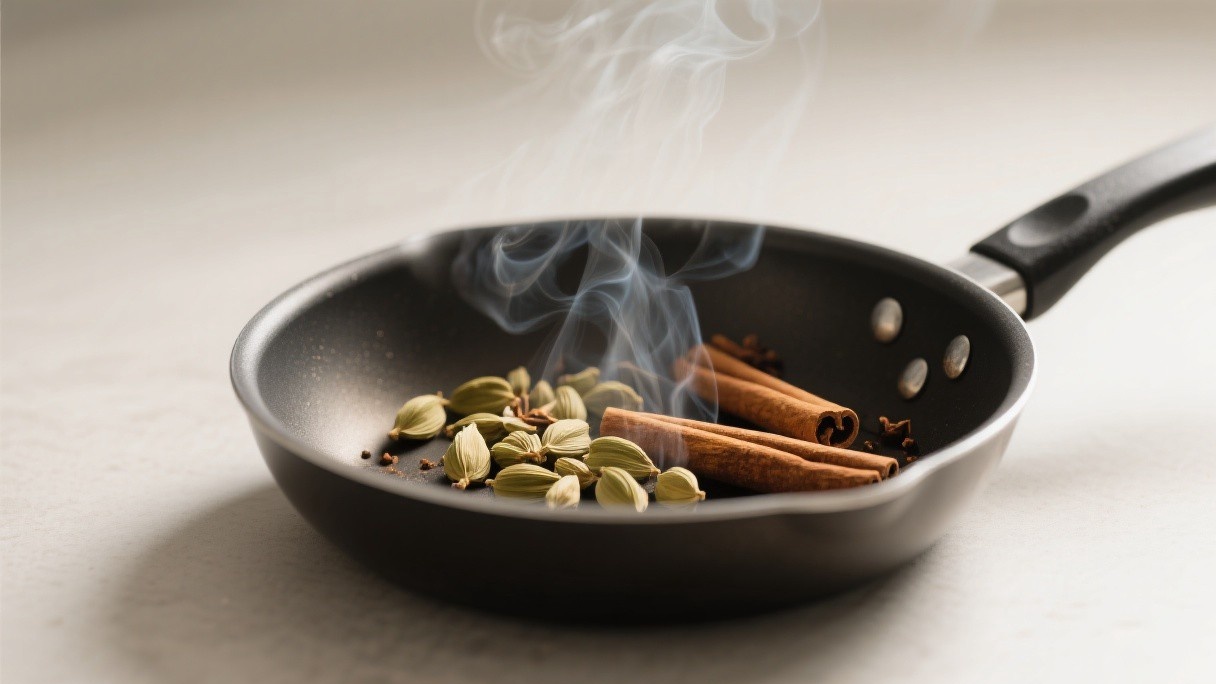
📷 Masala chai spices and tea
The Brewing Method
Chai is not simply adding spice to tea; it's a specific brewing process. Crush spices lightly (don't fully grind), add to water with tea (Assam is traditional), and simmer for 5 minutes. Add milk (some prefer water first, then milk added near the end) and sugar. Simmer until the color deepens to rich copper. The double-simmering extracts maximum flavor from both spices and tea.
Regional Variations
Kashmiri chai features pink color from salt and baking soda, with a milder spice profile. South Indian chai often includes ginger prominently. Gujarati chai adds chamomile for a sweeter, gentler blend. Each variation reflects local tastes and traditions while honoring the chai concept.
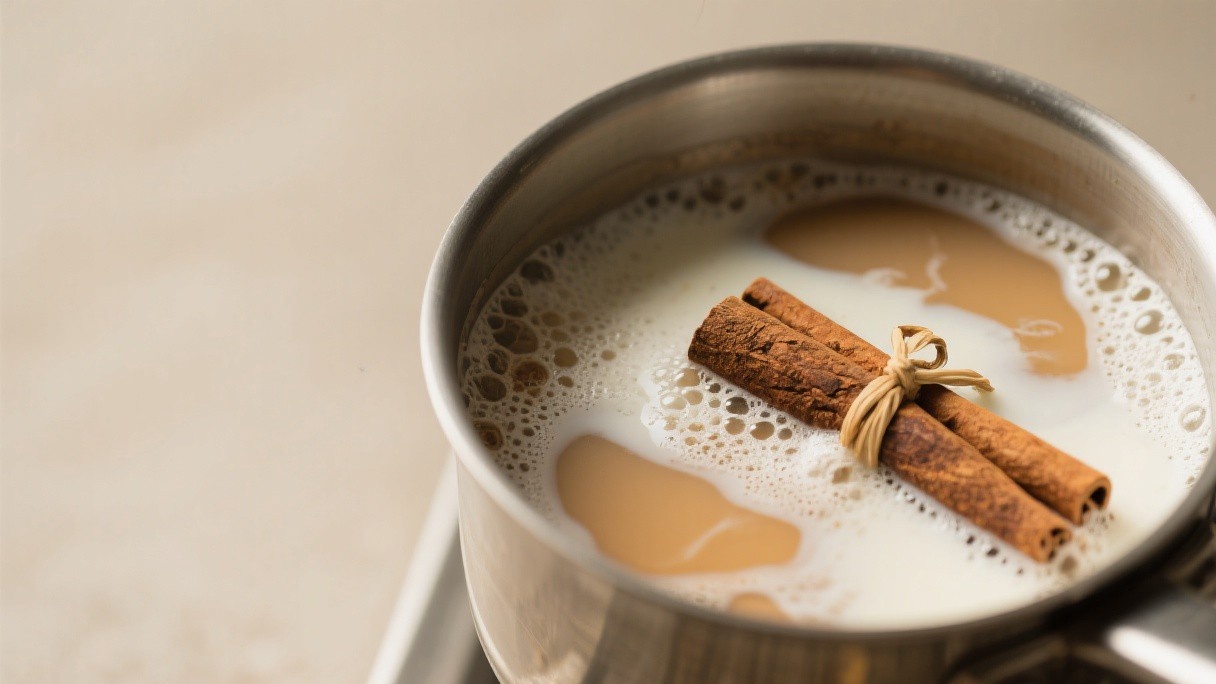
📷 Pouring homemade chai
Making chai from scratch connects you to a beverage tradition spanning millennia and billions of cups consumed. The process itself—grinding, brewing, balancing—becomes meditation, and the result rewards patience with layers of complexity impossible to find in instant chai packets.
The Core Spices and Their Roles
Traditional masala chai relies on a foundation of warming spices, each contributing a distinct element to the final blend. Green cardamom pods provide a sweet, floral aroma and are considered the most important spice in the mix. Cinnamon sticks add warmth and sweetness, while whole cloves contribute a sharp, aromatic intensity. Fresh ginger root brings peppery heat that balances the milk and sugar. Black peppercorns add a subtle bite that enhances the other spices without dominating.
Fennel seeds round out the blend with a mild, licorice-like sweetness.
Brewing Techniques for Authentic Chai
The traditional method for brewing masala chai involves simmering the spices directly in a mixture of water and milk, rather than steeping them in hot water as with other teas. This technique, known as decoction, extracts the fat-soluble flavor compounds from the whole spices more effectively than infusion. The water-to-milk ratio is typically one-to-one, though preferences vary. Crushing the spices lightly before adding them to the pot increases the surface area and releases more flavor.
The mixture should simmer gently for ten to fifteen minutes before adding tea leaves and sweetener.
Regional Chai Variations Across India
Chai preparation varies dramatically across India's diverse regions, each adding its own character to the basic formula. Kerala chai incorporates cardamom, ginger, and sometimes a pinch of black pepper for a spicy, warming cup. Bengali chai often includes cloves and cinnamon for a more aromatic profile. Mumbai's cutting chai is strong, sweet, and served in small portions, designed for quick consumption at roadside stalls.
Kashmiri kahwa, while technically distinct from masala chai, includes saffron, almonds, and cinnamon in a preparation that blurs the line between tea and dessert. These regional differences reflect local spice availability and cultural preferences.
Chai Concentrate for Batch Preparation
Preparing a chai concentrate in advance makes it easy to enjoy authentic-tasting chai throughout the week without the daily preparation time. Simmer the spices and ginger in water for twenty minutes, then add tea leaves and steep for an additional five minutes. Strain the concentrate and refrigerate in a glass jar for up to five days. To serve, heat the concentrate with an equal amount of milk and sweeten to taste.
This method produces a more consistent flavor than preparing individual cups and is particularly convenient for busy mornings or serving chai to guests at gatherings.
Health Benefits of Chai Spices
The spices in masala chai have been used in Ayurvedic medicine for centuries and offer a range of health benefits. Cardamom aids digestion and has detoxifying properties. Cinnamon helps regulate blood sugar and has anti-inflammatory effects. Ginger is renowned for its ability to soothe nausea, reduce muscle pain, and support immune function. Cloves contain eugenol, a natural antiseptic and pain reliever. Black pepper enhances the absorption of nutrients from other foods through a compound called piperine.
Combined in a warm, comforting beverage, these spices create a drink that nourishes as effectively as it delights.
Store any leftovers properly and reheat gently to preserve texture and flavor. Many of these preparations actually improve overnight as flavors meld and develop. Planning ahead means you can enjoy the fruits of your labor across multiple meals, making the effort even more worthwhile.