Homemade Lemonade with Herb Infusions: Botanical Recipes for Refreshing Summer Drinks
Beverage
|
February 17, 2026
Lemonade with Herb Infusions has been perfected over generations, with each culture adding its own signature techniques and flavors. Learning these methods at home gives you control over every variable, from ingredient quality to cooking time. The process may seem intimidating at first, but breaking it into clear steps makes it accessible to anyone willing to try.
The Simple Syrup Base
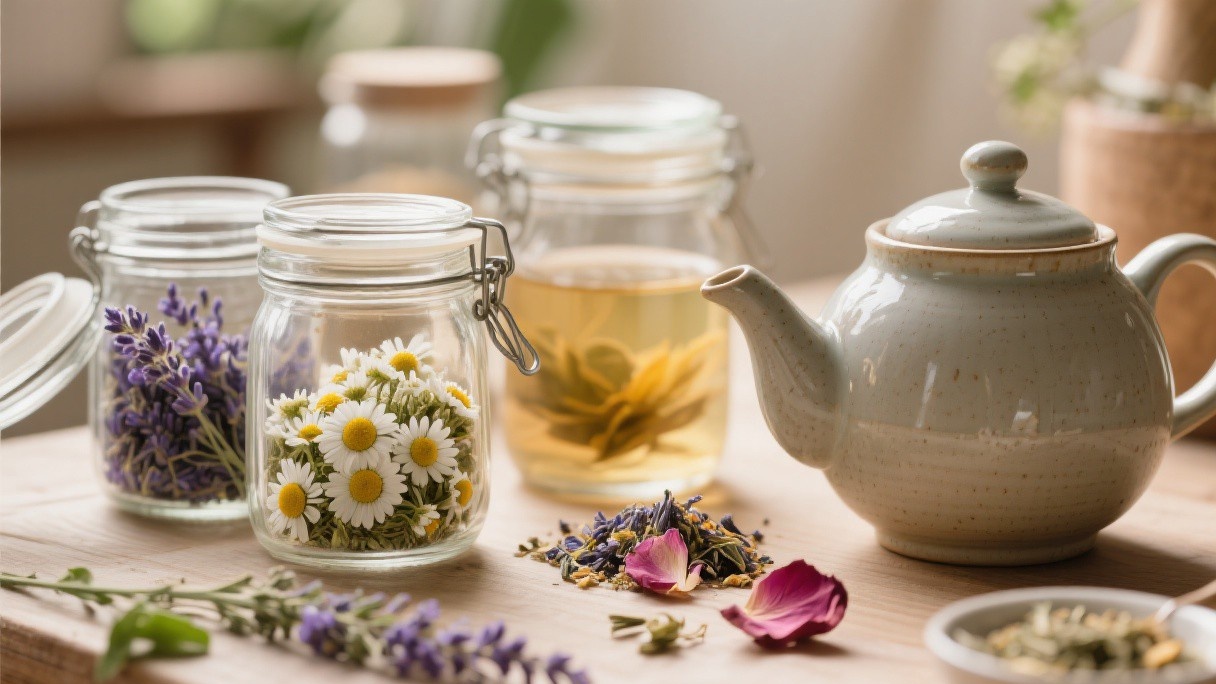
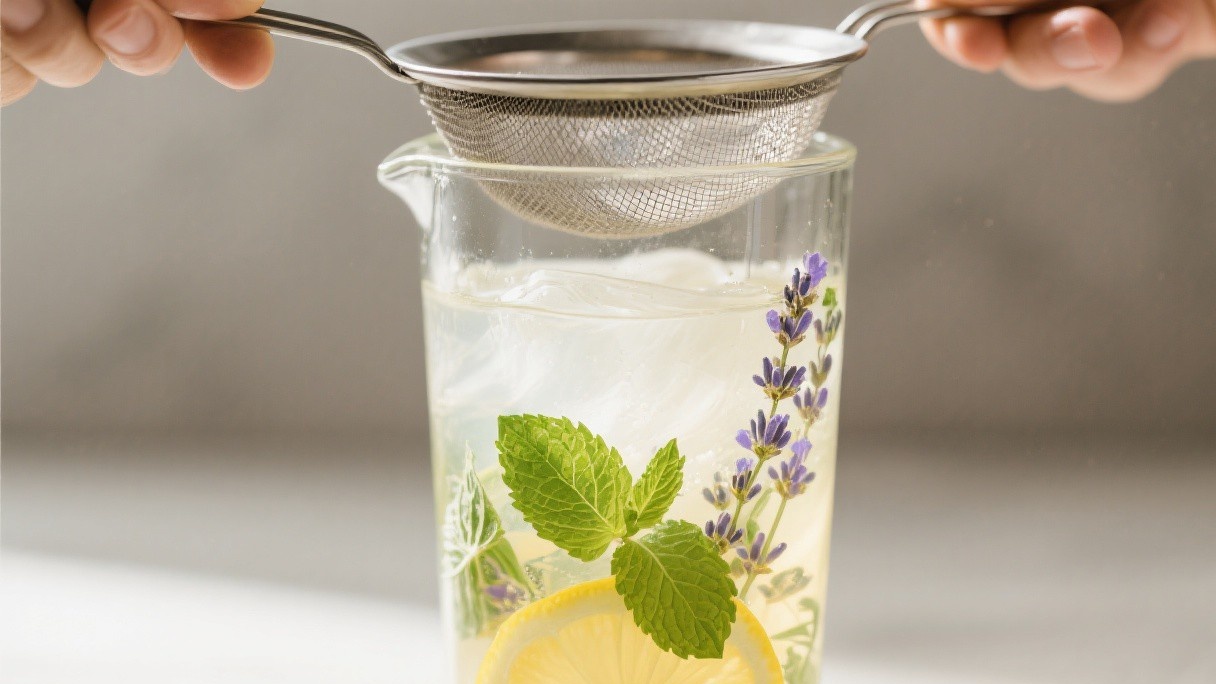
Herb infusion begins with simple syrup: equal parts sugar and water, heated until dissolved. While still hot, add your herbs and let steep until flavorful, typically 30 minutes to several hours depending on herb intensity. Strain out herbs, cool the syrup, and refrigerate. This base keeps for weeks and transforms ordinary lemonade into something special.
Lavender: Sweet and Floral
Lavender's intensity demands restraint—too much and it tastes like soap. Use fresh lavender sprigs in the syrup at a ratio of about 2-3 flowers per cup of simple syrup. This produces a delicate, floral, and surprisingly refreshing. Pair with honey instead of sugar for a more natural sweetness that complements the lavender beautifully.
📷 Herb infused lemonade in mason jars
Mint: Classic and Cooling
Mint lemonade is familiar for good reason—the cooling sensation of menthol amplifies refreshment. Use a combination of spearmint (sweet) and peppermint (strong) for complexity. Add mint to the syrup while still warm, or muddle fresh leaves directly in the glass for a more vibrant, immediate mint flavor.
Basil: Unexpected Sophistication
Basil and lemon seem made for each other—both bright and aromatic, they elevate rather than compete. Thai basil's anise notes add exoticism; sweet basil provides classic Italian vibes. Add basil to the simple syrup and strain before using, or blend fresh basil directly into lemonade for a gorgeous green color.
📷 Various infused lemonades
The combinations are limited only by imagination. Rosemary and lemon creates Mediterranean magic. Thyme adds subtle earthiness. Experiment with small batches, adjusting herb quantities to find the balance that delights your palate.
Herb Garden
I started growing herbs specifically for lemonade—lemon balm, lavender, and various mints. Fresh-picked herbs have an intensity that dried versions lack. My garden has expanded to accommodate this new passion, rows of aromatic plants waiting to be infused.
Sweetener Experiments
I tried honey, agave, and various syrups before settling on simple syrup as most versatile. But even simple syrup can be enhanced—vanilla bean, rosemary, or ginger infused into the sugar water adds another layer of complexity to my lemonades.
The Simple Syrup Foundation
I have discovered that the difference between ordinary lemonade and something memorable lies in the simple syrup. Instead of plain white sugar syrup, I infuse my syrup with herbs while it simmers. Rosemary lemonade has become a crowd favorite of mine, with the piney, aromatic herb complementing the bright citrus beautifully. Lavender adds a floral elegance, while thyme contributes an earthy, slightly peppery note. I steep the herbs in the hot syrup for twenty minutes, then strain thoroughly.
This infused syrup keeps refrigerated for up to a month, making batch preparation effortless.
Creative Lemonade Variations
Beyond the classic formula, I treat lemonade as a versatile canvas for experimentation. Adding muddled fresh berries transforms the drink into a vibrant, fruity punch. A splash of ginger juice adds warmth and a gentle spicy kick. For an adult version, I add a measure of elderflower liqueur or gin, which pairs beautifully with the citrus base. I also mix sparkling water fifty-fifty with lemonade for a lighter, refreshing spritz perfect for outdoor gatherings.
Frozen lemonade cubes can be made in advance and used to chill the drink without dilution.
Lemon Varieties and Their Characteristics
The type of lemon used significantly affects the flavor profile of the finished lemonade. Meyer lemons, a cross between lemons and mandarin oranges, offer a sweeter, more floral juice that requires less added sugar. Eureka and Lisbon lemons are the standard supermarket varieties, providing bright, classic lemon flavor with good acidity. Amalfi coast lemons, prized in Italy, have thick, aromatic peels and juice that is both sweet and intensely flavored.
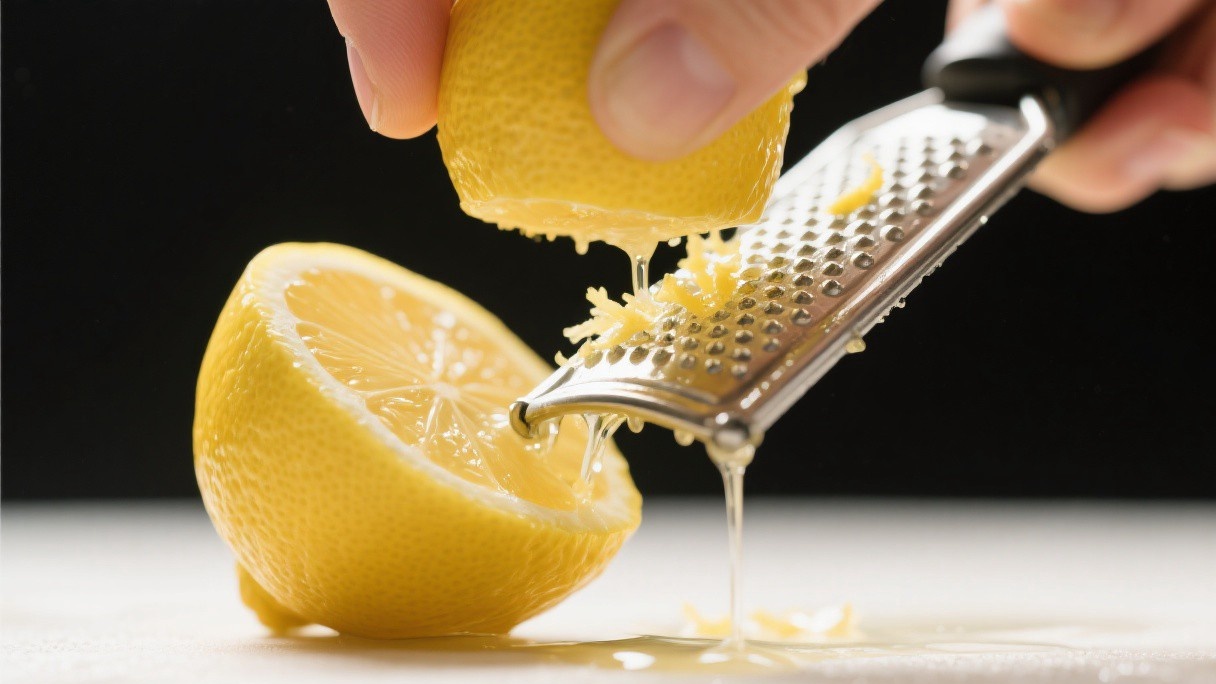
Using a mix of lemon varieties creates a more complex, layered lemonade that rewards careful attention to ingredient selection. Zesting the lemons before juicing provides an additional flavoring ingredient.
Carbonation and Sparkling Lemonade
Adding carbonation transforms lemonade from a still beverage into something more festive and refreshing. A home soda maker can carbonate the finished lemonade directly, creating a sparkling version with fine, persistent bubbles. Alternatively, mixing equal parts lemonade and sparkling water creates a lighter, less sweet spritz that is ideal for outdoor gatherings. For a more sophisticated presentation, carbonating the simple syrup separately and then mixing it with fresh lemon juice and water creates a more integrated flavor.
These carbonation methods elevate lemonade from a casual summer drink to a beverage suitable for celebrations and special occasions.
Lemonade Stand Tips and Presentation
Serving lemonade at events or gatherings benefits from thoughtful presentation and preparation. A large glass dispenser with a spigot allows guests to serve themselves while keeping the lemonade cold with ice in a separate compartment to prevent dilution. Fresh lemon slices, herb sprigs, and edible flowers floated in the dispenser make the beverage visually appealing. Providing small glasses rather than large ones encourages guests to return for refills and allows them to sample different varieties.
Labeling each variety with a small card describing the flavor profile adds a professional touch that elevates the entire experience.
Store any leftovers properly and reheat gently to preserve texture and flavor. Many of these preparations actually improve overnight as flavors meld and develop. Planning ahead means you can enjoy the fruits of your labor across multiple meals, making the effort even more worthwhile.