How To Make Creamy Vegan Pasta Sauce Using Only 3 Pantry Staples
Nutrition
|
February 15, 2026
A lot of people think plant-based cooking gets complicated the minute you want something comforting. Salad feels easy, roasted vegetables feel safe, but the moment you start craving creamy pasta, it can seem like dairy-free cooking turns into a science project. It really does not have to.
Why A Simple Cream Sauce Changes Plant-Based Cooking
For many people, the hardest part of eating more plant-based meals isn't the flavor. It is texture. You can get plenty of bright, fresh food without much effort, but that deep, rich, finished feeling usually comes from something creamy, salty, and warm.
Creamy Food Makes The Transition Easier
That is why a good dairy free cream sauce matters. It helps plant-based meals feel normal. Not healthy, not clean, not like a compromise, just normal dinner. When dinner feels familiar, it is much easier to stick with this way of eating during a busy week.
Three Ingredients Do Most Of The Work
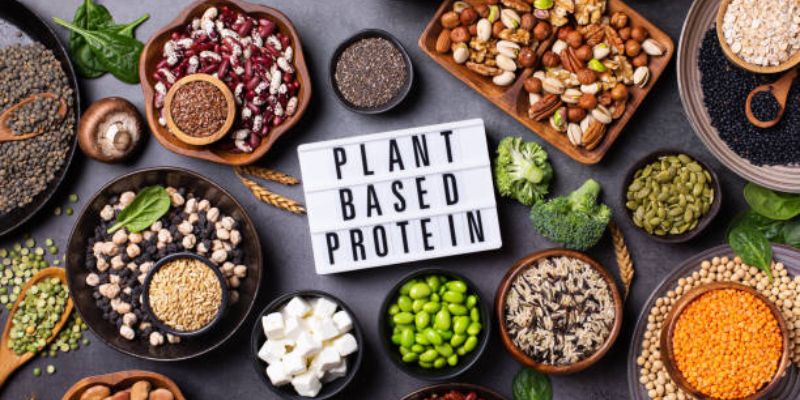
The version I come back to uses raw cashews, nutritional yeast, and garlic. That is it for the base. Water, salt, and pasta are still part of the meal, of course, but the actual sauce depends on those three pantry staples. Once you understand what each one does, you can start adjusting it without Stress.
The Ingredients That Actually Matter
These three ingredients work because each one covers a different part of the job. One brings richness, one brings depth, and one keeps the whole thing from tasting flat.
Cashews Give The Sauce Its Body
Raw cashews make cashew pasta sauce feel thick and smooth, not watery. They blend into something that sits somewhere between cream and a light Alfredo. The reason they work so well is that their flavor stays mild. Walnuts are too bitter for this. Peanuts push things in the wrong direction. Cashews mostly stay quiet and let the rest of the sauce do its thing.
If your blender isn't very powerful, soak the cashews first. Twenty minutes in hot water usually does the trick. If you forget, boil them for ten minutes and move on. That is much better than pretending your blender will magically turn gritty nuts into silk.
Nutritional Yeast Makes It Taste Finished
Nutritional yeast is what gives the sauce a savory, almost cheesy edge. Without it, the sauce tastes like blended nuts and garlic, which can still be fine, but it will not have that rounded flavor people usually want from creamy pasta.
You do need a decent amount. This is not a one-teaspoon ingredient. Four tablespoons is a good starting point for a small batch. That is what makes it feel like a real vegan pasta sauce instead of a pale nut puree.
Garlic Brings Sharpness And Life
Fresh garlic cuts through the richness. Powder can work if you are desperate, but fresh cloves make a big difference. I usually use 3 cloves per batch. Four if the pasta is for me and not for anyone I have to speak politely to afterward.
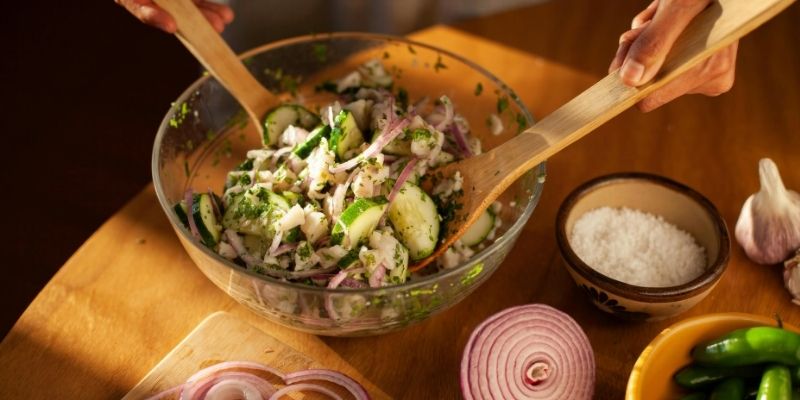
Raw garlic blended into the sauce gives it a little bite. Sautéed garlic gives a softer, sweeter flavor. Both work. It just depends on the mood of the dinner.
How To Make The Sauce On A Normal Weeknight
This is one of those easy plant-based recipes that sounds more delicate than it is. Once you do it a few times, it becomes something you can make while the pasta water is heating.
The Basic Version
For enough sauce for about 8 ounces of pasta, blend:
- 1 cup soaked raw cashews
- 3 to 4 tablespoons nutritional yeast
- 3 garlic cloves
- 3/4 to 1 cup water
- 1 generous pinch of salt
Blend until very smooth. If it still looks thick like dip, add a splash more water. You want it pourable, but not thin.
Meanwhile, boil your pasta. Before draining it, save about a cup of the starchy cooking water. Put the drained pasta back in the pot, pour in the sauce, and warm it gently over low heat. Add pasta water a little at a time until the texture loosens and coats the noodles properly.
The Part People Usually Miss
Taste the sauce before it hits the pasta. It should seem a little saltier and stronger than you think it needs to be. Once it spreads across a full pot of pasta, the flavor softens. If it tastes only fine in the blender, it will probably taste bland on the plate.
How To Stretch It Into Real Meals
The best pantry staple meals are the ones that feel flexible. This sauce works because it can carry different vegetables, proteins, and leftovers without falling apart.
Turn It Into A Broccoli Pasta Dinner
One of the easiest versions is pasta with steamed broccoli and this sauce. That combination works because broccoli adds texture and a bit of green without asking much of you. Add black pepper and a squeeze of lemon at the end, and it stops feeling heavy.
If you want more staying power, stir in white beans or pan-fried tofu. Now it is solid enough for dinner and leftovers the next day.
Use It For Baked Pasta Or Meal Prep
This also works well in vegan meal prep. Mix the sauce with pasta, peas, mushrooms, or spinach, then refrigerate for lunches. It thickens as it sits, so add a splash of water when reheating.
You can also use it for baked pasta. Toss the noodles with the sauce, add sautéed onions or roasted cauliflower, then bake until hot and a little golden around the edges.
What To Do If You Do Not Have Cashews
This is where real cooking matters more than ideal cooking. Sometimes you do not have the exact ingredient. Sometimes raw cashews are expensive. Sometimes you forget to buy them.
Cheaper Swaps Still Work
Sunflower seeds can replace cashews if cost is the main issue. They are less sweet and slightly earthier, but still creamy enough when blended well. White beans also work if you want a lower-cost base. The sauce will be lighter and less rich, so a spoonful of olive oil helps bring back some of that missing body.
Texture Is More Important Than Purity
If the sauce comes out too thick, add pasta water. If it tastes flat, add salt. If it feels too rich, a squeeze of lemon fixes a lot. Plant-based cooking gets easier when you stop chasing perfection and start adjusting what is in front of you.
Start with the basic version once, exactly as written, so you know what the sauce is supposed to feel like. After that, keep it loose. Add broccoli, mushrooms, spinach, beans, or whatever needs using up. The goal is not to master one perfect dairy-free sauce. It is to have one reliable meal you can make on a tired Tuesday without talking yourself into takeout.