Authentic Baklava Layering Methods: Mastering Traditional Phyllo Pastry Techniques
Dessert
|
February 20, 2026
Understanding Baklava Layering Methods opens up a world of culinary possibilities that most home cooks never explore. The difference between average results and exceptional ones comes down to a handful of key techniques, the right ingredients, and a willingness to practice. This guide covers everything you need to know to get started and improve with each attempt.
Working with Phyllo
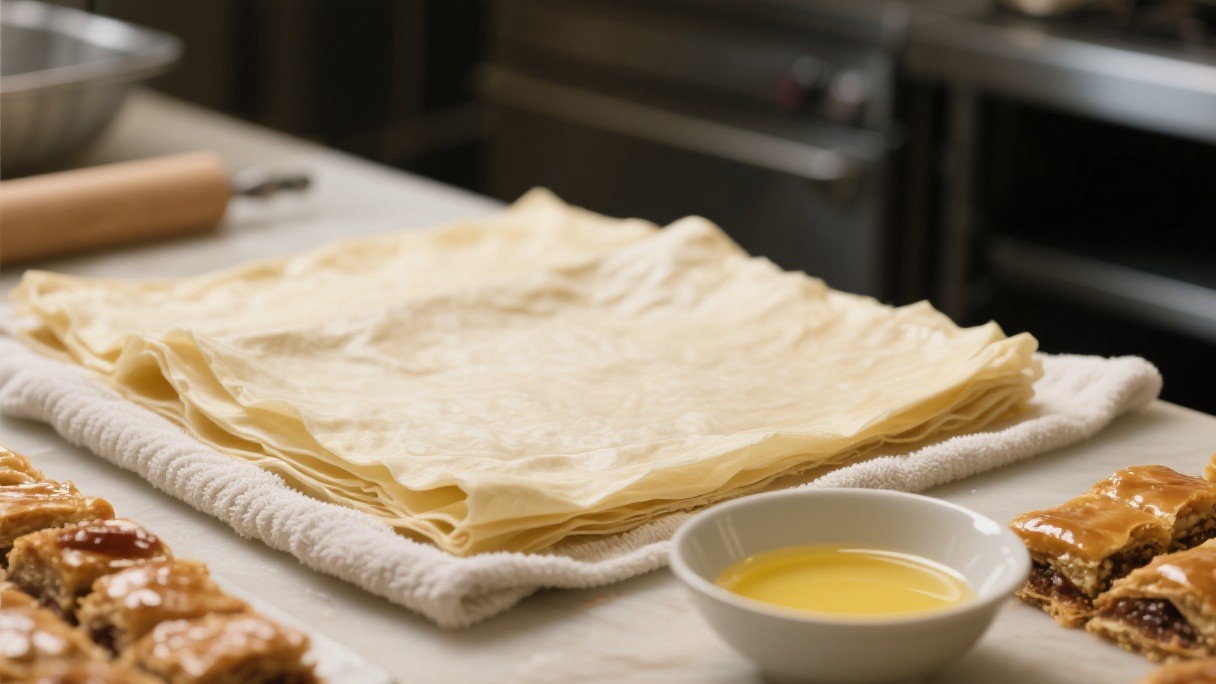
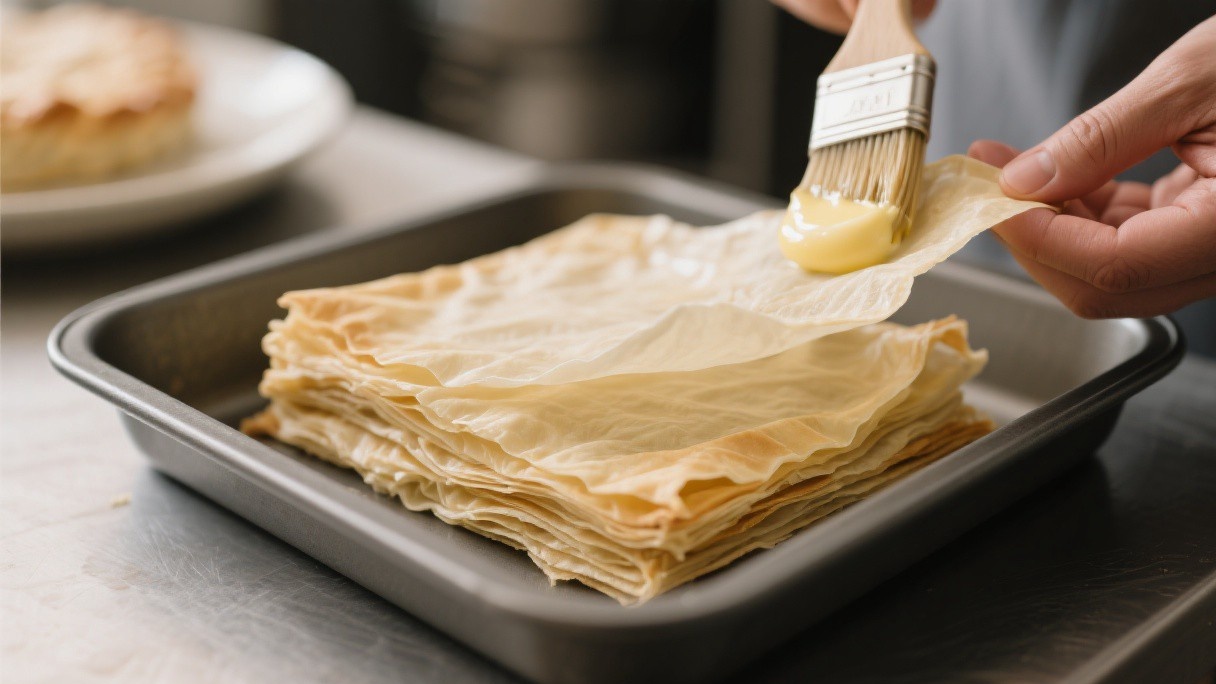
Phyllo dough is unforgiving—it dries out quickly and tears easily. Keep unused sheets covered with damp (not wet) towels at all times. Brush each sheet with melted butter generously but evenly; this creates the flaky separation essential to good baklava. Work quickly but carefully, replacing towels immediately after each sheet.
The Layering Count
Traditional baklava uses at least 20-30 sheets of phyllo, more is better. Each sheet must be brushed with butter, stacked, then the process repeated. The layers compress during baking, creating that characteristic paper-thin, flaky texture. Resist the temptation to use fewer sheets; the result won't have proper texture.
📷 Traditional baklava with pistachios
Nut Filling Distribution
The nut layer should be uniform throughout—too thick and baklava becomes nutty rather than balanced, too thin and you lose that textural contrast. Walnuts, pistachios, or a mixture (regional preference varies) should be ground to medium-coarse texture, not powder. Sprinkle nuts in a thin, even layer between every 5-6 phyllo sheets.
The Syrup: Temperature and Timing
Syrup temperature matters enormously. Hot syrup poured over hot-from-oven baklava creates crispy, non-soggy results. Bring syrup (water, sugar, honey, lemon) to a boil, simmer 15 minutes until slightly thickened. Pour immediately over hot baklava. The sizzle and steam mean proper absorption; the baklava will absorb the syrup completely within an hour.
📷 Fresh cut baklava showing layers
Let baklava rest at room temperature for at least 4 hours before serving—the flavors meld and syrup distributes evenly. Cut with sharp knife through all layers while still slightly warm for clean cuts. Store at room temperature; refrigeration makes layers soggy.
The Phyllo Handling
Working quickly with phyllo with phyllo, keeping unused sheets covered with damp cloth to prevent drying. The butter must be clarified, the layers thin and even. This precise measurements and timing separates good baklava from great.
Syrup Timing
Pouring hot syrup over hot pastry creates the perfect texture—crisp layers that absorb sweetness without becoming soggy. This timing took practice to perfect, but the results are
Working with Phyllo Dough
Phyllo dough demands respect and preparation. The sheets must be completely thawed in the refrigerator overnight before use, and any remaining in the package should be kept covered with a damp towel at all times during assembly to prevent drying and cracking. Each sheet is brushed individually with clarified butter or a blend of butter and neutral oil, which creates the flaky, distinct layers that define baklava.
Working quickly and confidently is essential, as phyllo becomes brittle and unworkable when exposed to air for even a few minutes.
The Syrup Timing Secret
The most critical baklava technique is the relationship between the hot pastry and the cold syrup. The baklava must come out of the oven piping hot, and the syrup should be completely cool or at room temperature. Pouring cold syrup over hot pastry creates a dramatic sizzle and ensures the syrup is absorbed evenly throughout every layer. If both are hot, the phyllo becomes soggy. If both are cold, the syrup sits on the surface without penetrating.
This temperature differential is the defining factor between mediocre and exceptional baklava.
Nut Variations and Regional Differences
While walnuts and pistachios are the most traditional nuts used in baklava, regional variations across the Mediterranean and Middle East feature diverse nut combinations. Turkish baklava often uses only pistachios for a vivid green color and concentrated flavor. Greek baklava typically combines walnuts with cinnamon. Lebanese versions might include almonds and pine nuts for a more delicate texture. Some modern interpretations incorporate pecans or cashews for a different flavor profile.
The nuts should be finely chopped but not ground into powder, as some texture is essential for the characteristic contrast between the crisp phyllo and the nutty filling.
Rose Water and Orange Blossom Water
Floral waters are the secret ingredients that distinguish exceptional baklava from merely good versions. Rose water, added to the syrup in small quantities, provides a delicate floral aroma that elevates the entire pastry. Orange blossom water offers a slightly more citrus-forward floral note that pairs particularly well with pistachios. The critical factor is restraint, as too much floral water can make the baklava taste soapy or perfumed. A single teaspoon per cup of syrup is generally sufficient.
These waters should be added to the syrup after it has been removed from the heat to preserve their volatile aromatic compounds.
Serving and Storing Baklava
Baklava improves with time, making it exceptionally good make-ahead desserts. After the syrup has been absorbed and the pastry has cooled completely, it should be stored in an airtight container at room temperature for up to two weeks. Refrigeration softens the phyllo and is not recommended. When serving, cut baklava into small diamond or square shapes using a sharp knife, wiping the blade between cuts for clean edges.
A light dusting of crushed pistachios on top adds visual appeal and identifies the flavor. Baklava is traditionally served with strong Turkish coffee or mint tea, which complement the sweetness and provide a cleansing contrast.
Temperature, timing, and ingredient quality are the three pillars that hold everything together. Master those, and variations become easy. Try different combinations, adjust seasonings to your preference, and make the recipe your own. That is how personal cooking traditions are born.