Authentic Italian Tiramisu: The Traditional Venetian Method Passed Down Through Generations
Dessert
|
February 11, 2026
The world of Italian Tiramisu is richer and more varied than most people realize. From ingredient selection to final presentation, every decision affects the outcome. By learning the foundational techniques covered here, you will gain the skills and confidence to experiment while still producing reliable, delicious results every time.
The Ingredients Matter
Authentic tiramisu uses just six ingredients: mascarpone, eggs, sugar, espresso, Savoiardi (ladyfinger biscuits), and cocoa powder. Mascarpone must be Italian—American versions are too soft and wet. Eggs should be very fresh; you'll use raw whites so quality is essential. Espresso should be strong, cooled completely, and ideally mixed with a touch of Marsala wine.
The Separated Egg Method
Italian tiramisu separates eggs for a light, ethereal mousse. Whisk yolks with sugar until pale and thick (ribbon stage), then fold in mascarpone. Whip whites to stiff peaks and fold gently into the mascarpone mixture. This technique creates volume without cream or gelatin, achieving that characteristic cloud-like texture.
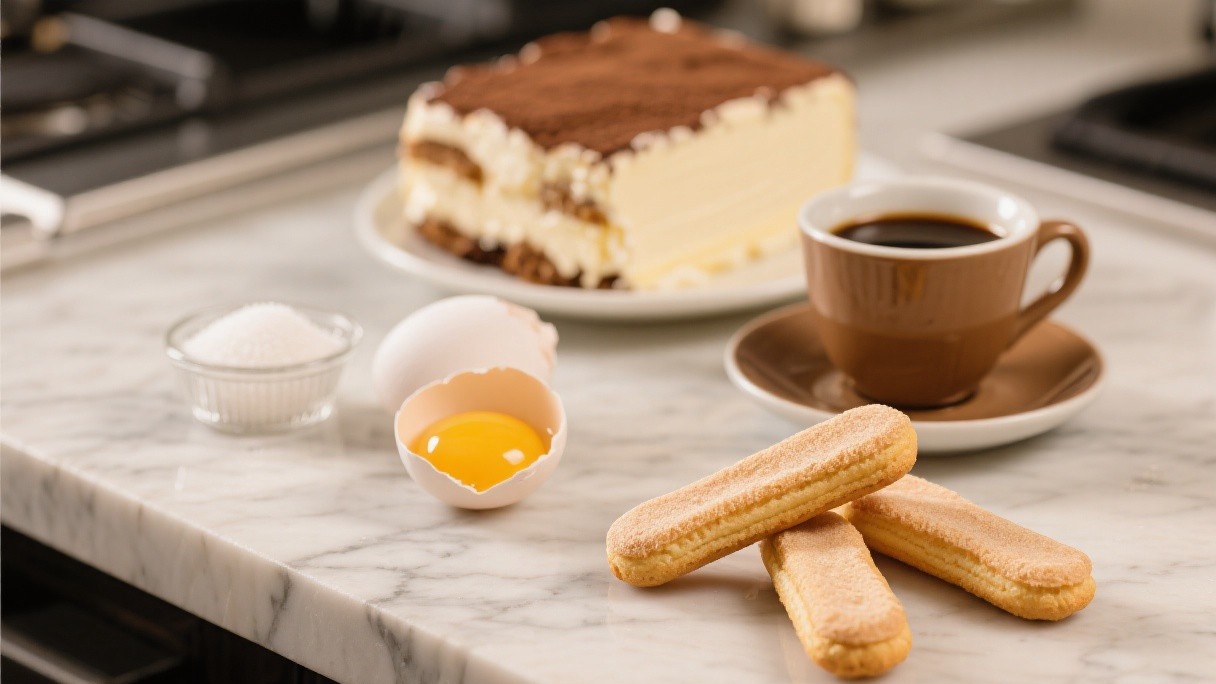
📷 Authentic tiramisu in glass
The Critical Soaking Step
Ladyfinger soaking is where amateurs fail. Dip each Savoiardo quickly—just 1-2 seconds per side—then immediately place in the dish. They should be damp, not soggy. Too wet and the tiramisu becomes soup; too dry and it's chalky. The cocoa layer goes on top last, dusted generously just before serving to preserve its color.
Resting and Serving
Tiramisu needs time for flavors to meld and texture to set. Refrigerate at least 6 hours, preferably overnight. The interior should quiver slightly when moved—the sign of proper texture. Serve cold, dusted with cocoa right before serving. Leftovers (unlikely!) keep for 3 days refrigerated.

📷 Tiramisu layered in dish
Tiramisu rewards patience and quality ingredients. Resist the urge to doctor it with chocolate chips, Kahlua, or whipped cream. Respect the tradition—these additions dilute rather than enhance the original genius.
Ingredient Sourcing
a supplier for authentic Italian mascarpone and proper Savoiardi biscuits. These ingredients make a noticeable difference—American substitutions simply don't compare. The cost is higher, but the result justifies the expense.
Serving Occasions
I reserve my tiramisu for special occasions, building anticipation. Dinner parties, holidays, celebrations—this dessert marks important moments. The preparation itself has become part of the ritual, a way of showing care for my guests.
The Coffee Component
I have learned that the coffee used in tiramisu must be strong and fully cooled before dipping the ladyfingers. I brew espresso at double strength and let it come to room temperature, then add a tablespoon of coffee liqueur for depth. The dipping process requires a quick, confident motion. I submerge each ladyfinger for exactly two seconds per side. Any longer and the cookie will disintegrate, any shorter and it will remain dry and crunchy.
My goal is a tender, coffee-soaked layer that still maintains enough structural integrity to support the creamy filling above it.
Mascarpone Quality and Handling
Mascarpone is the soul of tiramisu, and I have found that its quality directly impacts the final result. I always use full-fat, imported Italian mascarpone for a richer, creamier texture than domestic versions. The cheese should be at room temperature before mixing to ensure smooth incorporation with the egg mixture. I learned early on that over-beating mascarpone causes it to break and become grainy, so I fold it gently into the whipped egg yolks and sugar.
My finished tiramisu must rest in the refrigerator for at least six hours, though overnight is ideal, allowing the flavors to meld.
Coffee and Alcohol Pairings
The coffee component of tiramisu can be customized to create different flavor experiences. Espresso is traditional, but strong brewed coffee works as a substitute. Adding Kahlua or amaretto to the coffee provides an adult twist that complements the creamy mascarpone. For a non-alcoholic version, coffee extract mixed with water creates a similar depth without the alcohol. Some modern variations use cold brew concentrate instead of espresso, producing a smoother, less bitter coffee flavor.
The critical factor is ensuring the coffee is strong enough to be perceptible through the rich mascarpone layer, as the coffee provides the essential counterbalance that defines tiramisu.
Ladyfinger Alternatives
While traditional Italian savoiardi ladyfingers are the standard base for tiramisu, several alternatives offer different textures and flavors. Soft sponge cake cut into thin layers absorbs the coffee more readily and produces a moister, cake-like result. Biscotti, while unconventional, adds a pleasant crunch and nutty flavor. Graham crackers provide a cinnamon-spiced alternative that creates a fusion of tiramisu and cheesecake. For a gluten-free version, almond flour-based ladyfingers or gluten-free sponge cake work well.
Each alternative changes the character of the dessert while maintaining the essential coffee-cream combination that makes tiramisu irresistible.
Tiramisu Variations Around the World
Tiramisu has inspired countless variations since its creation in the Veneto region of Italy. Berry tiramisu replaces the coffee with fruit puree and adds fresh berries between the layers. Chocolate tiramisu incorporates cocoa powder and melted chocolate for an intensely chocolatey version. Lemon tiramisu uses limoncello and lemon zest for a bright, citrusy alternative. Matcha tiramisu, popular in Japan, replaces the coffee with matcha powder for a green tea twist.
Pistachio tiramisu adds ground pistachios to the mascarpone for a distinctly Middle Eastern-influenced variation. These adaptations demonstrate the remarkable versatility of the tiramisu concept.
Set realistic expectations for your first attempt and focus on learning rather than perfection. The techniques described here are forgiving by nature, so even missteps produce edible results. With each repetition, your timing improves, your palate sharpens, and your confidence grows.