Everything You Need To Know About Plant-Based Protein Sources
Nutrition
|
February 18, 2026
Protein is the nutrient people worry about most when switching to a plant-based diet, and that worry is mostly based on outdated information.
Plants offer a wider range of protein sources than most people ever use, and several of them match or exceed the protein density of common animal products, gram for gram.
How Much Protein You Actually Need
Before comparing sources, the target matters. The general recommendation for sedentary adults is 0.8 grams of protein per kilogram of body weight per day. For active individuals or anyone trying to build or maintain muscle mass, that rises to 1.6 to 2.2 grams per kilogram. For a 150-pound person, the practical daily target lands between 55 and 150 grams depending on activity level.
Protein requirements across life stages [1] also increase for older adults, pregnant individuals, and those recovering from illness or surgery. Meeting these targets on a plant-based diet is entirely achievable, but it requires knowing which foods offer the most protein per serving and intentionally building meals around them.
Tempeh: The Most Underused High-Protein Option
Tempeh consistently sits at the top of plant-based protein rankings and consistently gets overlooked by people who have never cooked with it.
Made from fermented whole soybeans pressed into a firm cake, tempeh provides approximately 31 grams of protein per cup, which is more than most cuts of chicken per equivalent serving weight.
The fermentation process makes tempeh easier to digest than unfermented soy products and gives it a slightly nutty, earthy flavor that absorbs marinades well. Crumbled into a pan with smoked paprika, garlic, and soy sauce, it browns into something that works in tacos, grain bowls, and pasta sauces.
At roughly $2.50 to $4.00 per 8-ounce package, it is also one of the most cost-effective plant-based protein sources available.
Tofu: The Most Versatile Option
Tofu is the entry point for most people new to plant-based protein, and it deserves more credit than it typically receives.
Extra-firm tofu provides around 20 grams of protein per cup and works across more cooking applications than almost any other plant-based protein source. It takes on flavor aggressively when pressed, marinated, and cooked at high heat, which is the preparation step most people skip and then wonder why their tofu tastes like nothing.
Silken tofu, which has a completely different texture, blends smoothly into sauces, soups, and smoothies, adding protein without noticeably altering flavor. Firm and extra-firm varieties are better suited to frying, baking, and grilling. Pressing extra-firm tofu for at least 20 to 30 minutes before cooking removes excess moisture and dramatically improves the final texture. A standard block costs between $1.50 and $3.00, depending on the brand and store.
Seitan: The Highest Protein Density Of Any Plant Food
Seitan is made from vital wheat gluten and provides approximately 25 grams of protein per 3.5-ounce serving, making it the most protein-dense plant-based food available by weight. Its texture is remarkably similar to meat, which is why it is the base for many commercial plant-based meat products.
Seitan's protein profile [2] is impressive but incomplete, as it is low in lysine, so it should be paired with lysine-rich foods like legumes throughout the day.
Homemade seitan costs around $0.50 to $1.00 per serving and takes about 30 minutes to prepare from vital wheat gluten flour, which is widely available for $4 to $6 per pound. Store-bought versions from brands like Upton's Naturals and Sweet Earth cost $4 to $7 per package.
Seitan is not suitable for anyone with celiac disease or non-celiac gluten sensitivity, which is a real limitation worth noting upfront.
Edamame: The Snack That Earns Its Place
Edamame is one of the few plant-based protein sources that is also a complete protein, meaning it contains all nine essential amino acids in adequate ratios. One cup of shelled edamame provides 18 grams of protein and 8 grams of fiber, making it both nutritionally significant and genuinely filling as a snack or side dish.
Frozen edamame is available at virtually every grocery store for $2 to $4 per pound and takes only 2 to 3 minutes in the microwave.
It works as a standalone snack with sea salt, tossed into stir-fries, blended into hummus, or added to grain bowls. For a quick protein boost between meals on a plant-based diet, edamame is one of the most practical options available.
Lentils: The Budget Protein Champion
Lentils provide approximately 18 grams of protein per cooked cup, along with 15 grams of fiber, and they cook faster than any other legume without requiring soaking.
Red lentils dissolve into soups and dal. Green and brown lentils hold their shape well enough for salads and grain bowls. Black lentils, sometimes called beluga lentils, have a firmer texture and a slightly richer flavor that works particularly well in cold preparations.
A one-pound bag of dried lentils costs around $1.50 to $2.00 and yields roughly eight to ten cooked servings, making the cost per gram of protein among the lowest of any food, plant-based or otherwise. For anyone building a plant-based diet on a budget, lentils are the protein foundation everything else builds around.
Chickpeas: The Most Flexible Legume
Chickpeas deliver around 15 grams of protein per cooked cup and adapt to more culinary uses than almost any other plant-based protein source.
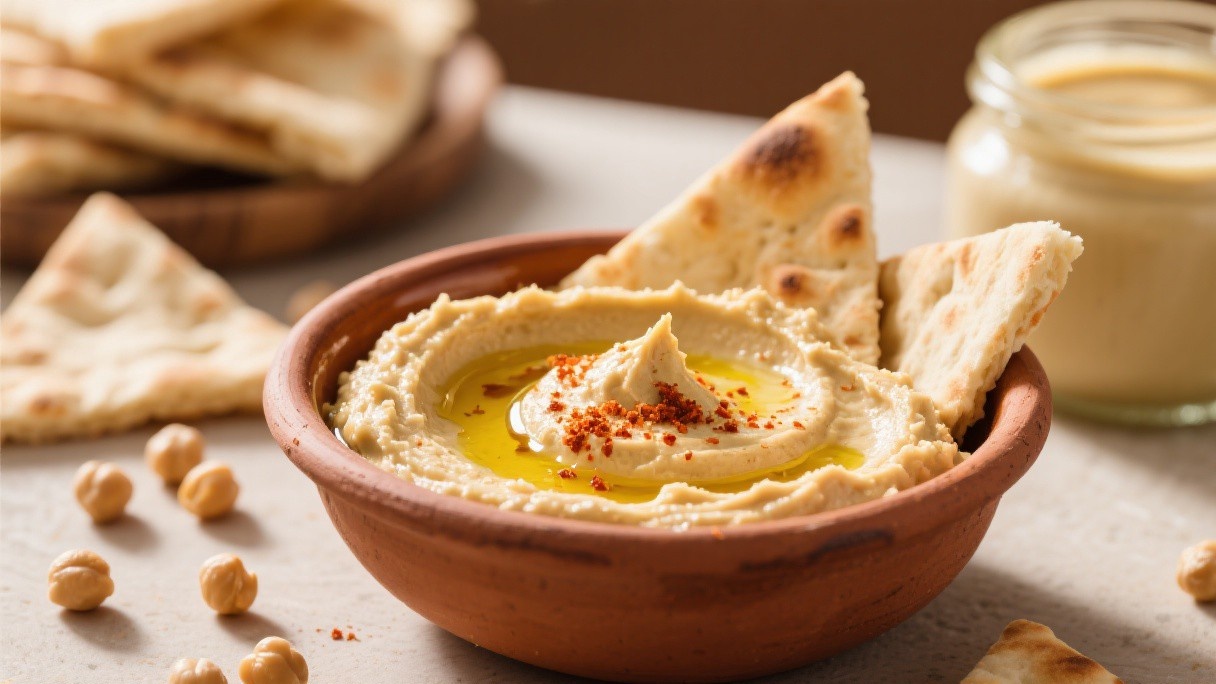
Roasted until crispy, they become a high-protein snack. Blended with tahini, lemon, and garlic, they become hummus. Simmered in spiced tomato sauce, they become a satisfying curry. Crumbled and seasoned, they approximate scrambled eggs in texture and function.
Canned chickpeas cost around $0.99 per can and require no cooking, which makes them one of the fastest protein additions to any meal. The aquafaba, the liquid from the can, is also useful as an egg replacer in baking, which is a bonus that makes the purchase even more practical.
Quinoa: The Complete Grain Protein
Quinoa is technically a seed, but it functions like a grain in cooking and provides approximately 8 grams of protein per cooked cup.
More significantly, it is one of the few plant foods that qualify as complete proteins, containing all essential amino acids in useful quantities. This makes it particularly valuable as a base for plant-based meals where other protein sources are not present in large quantities.
Quinoa cooks in about 15 minutes, stores well in the fridge for four to five days after cooking, and works in both hot and cold applications. The cost is around $3 to $6 per pound, depending on the brand, which is higher than rice but justified by the protein content and nutritional profile.
Hemp Seeds: The Easiest Protein Addition
Hemp seeds provide 10 grams of protein per three-tablespoon serving and require zero preparation. They can be sprinkled directly onto oatmeal, blended into smoothies, stirred into yogurt, or added to salad dressings without significantly altering flavor.
They are also complete proteins and have a favorable omega-3-to-omega-6 fatty acid ratio, which is nutritionally relevant for plant-based eaters who do not consume fatty fish.
Hemp seeds [3] cost around $8 to $14 per pound, which is more expensive than most legumes but competitive when you factor in the zero preparation time and the nutritional density per serving. Brands like Manitoba Harvest and Nutiva are widely available in most health food stores and mainstream grocery chains.
Black Beans, Kidney Beans, And Other Legumes
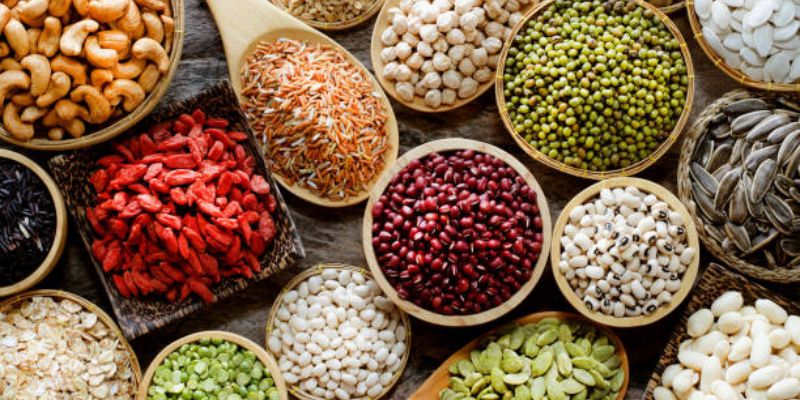
Beyond lentils and chickpeas, the broader legume family, including black beans, kidney beans, pinto beans, navy beans, and adzuki beans, all provide 13 to 17 grams of protein per cooked cup. Each has a slightly different flavor profile and culinary application, which is worth using to create variety rather than defaulting to the same bean every week.
Black beans work particularly well in Mexican-inspired dishes, kidney beans hold up in stews and chilis, and navy beans blend smoothly into soups. All are available canned for around $0.99 to $1.50 per can or dried in bulk for significantly less per serving.
Rotating through different beans across the week is one of the simplest ways to maintain variety in plant-based protein intake without adding any complexity to cooking.
Nutritional Yeast: The Protein Seasoning
Nutritional yeast is often categorized as a flavoring agent, but it also contributes meaningful protein: approximately 8 grams per two-tablespoon serving. It has a savory, cheesy flavor that makes it useful in pasta sauces, popcorn seasoning, tofu scrambles, and salad dressings. Fortified versions also provide vitamin B12, which is otherwise absent from plant-based diets and must be supplemented.
A 10-ounce container costs around $7 to $12 and lasts several weeks when used as a seasoning. For plant-based eaters, nutritional yeast serves as both a flavor enhancer and a supplementary protein source, adding up meaningfully throughout the week without requiring any dedicated meal planning.
Hitting Your Protein Target Daily
The practical challenge of plant-based protein is not a shortage of options. It is distributed across the day.
A breakfast of tofu scramble with hemp seeds delivers 25-30 grams. A lunch of lentil soup with a side of edamame adds another 30-35 grams. A dinner of tempeh stir-fry over quinoa contributes another 40 grams. That totals 95 to 105 grams before accounting for incidental protein from bread, vegetables, and snacks.
Most people on a plant-based diet who claim they cannot hit their protein targets have not actually mapped out their intake in this level of detail. When you do, the numbers work. The sources are there. The only thing missing is the intentional combination of them across each day.
Start by identifying your daily protein target for this week, then honestly audit your intake over two or three days. The gap, if there is one, almost always closes quickly once you add one additional high-protein plant-based food to your existing meals rather than overhauling everything at once.
References
[1] National Institutes of Health – https://www.nih.gov
[2] United States Department of Agriculture – https://www.usda.gov
[3] Harvard T.H. Chan School of Public Health – https://www.hsph.harvard.edu