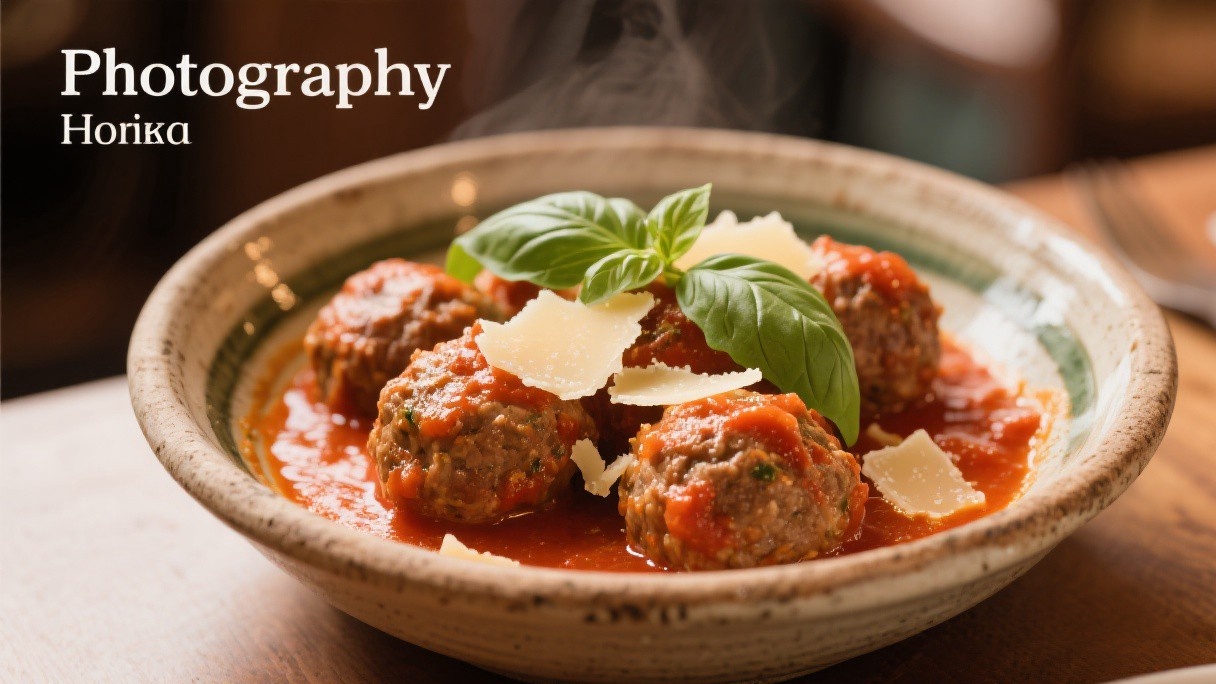
Mastering Risotto alla Milanese: The Secrets Behind Silky Italian Rice
Recipe
|
March 4, 2026
Risotto alla Milanese might seem like the domain of professional kitchens, but the core techniques are straightforward once you understand the science behind them. Home cooks who master these fundamentals consistently produce results that surprise and impress. The key is focusing on quality ingredients and precise execution at each stage.
The Rice Matters
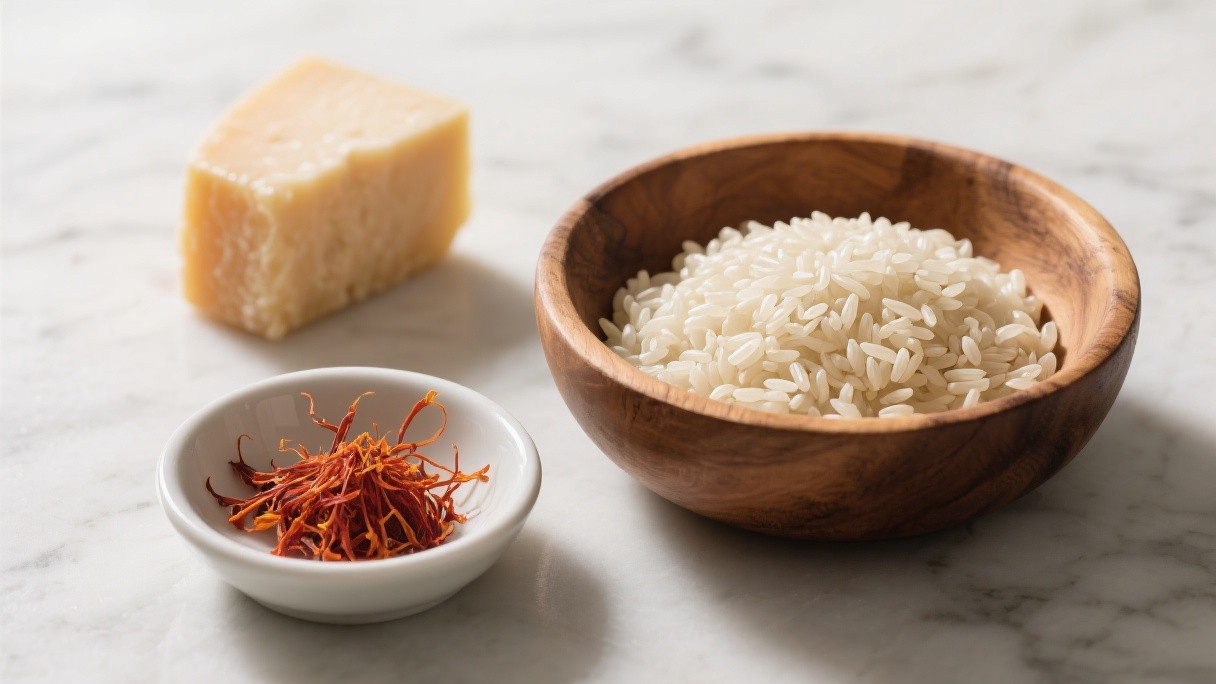
Not all rice is created equal for risotto. Arborio is the most common variety found in supermarkets, but true connoisseurs prefer Carnaroli or Vialone Nano. These varieties have higher starch content and firmer cores, creating that signature creamy-yet-toothsome texture that defines exceptional risotto.
The Toasting Process
Before adding any liquid, the rice must be toasted in fat until the grains become translucent around the edges. This crucial step creates a barrier that prevents the rice from becoming mushy while allowing it to release starch gradually during cooking. Use high-quality butter or a combination of butter and olive oil for the best flavor.
📷 Creamy risotto alla Milanese
Saffron: Liquid Gold
True saffron threads, not powder, are essential for authentic risotto alla Milanese. Soak the threads in warm broth before adding them to release their full color and flavor. The saffron should be added early in the cooking process to allow its essence to permeate every grain of rice.
The Stirring Ritual
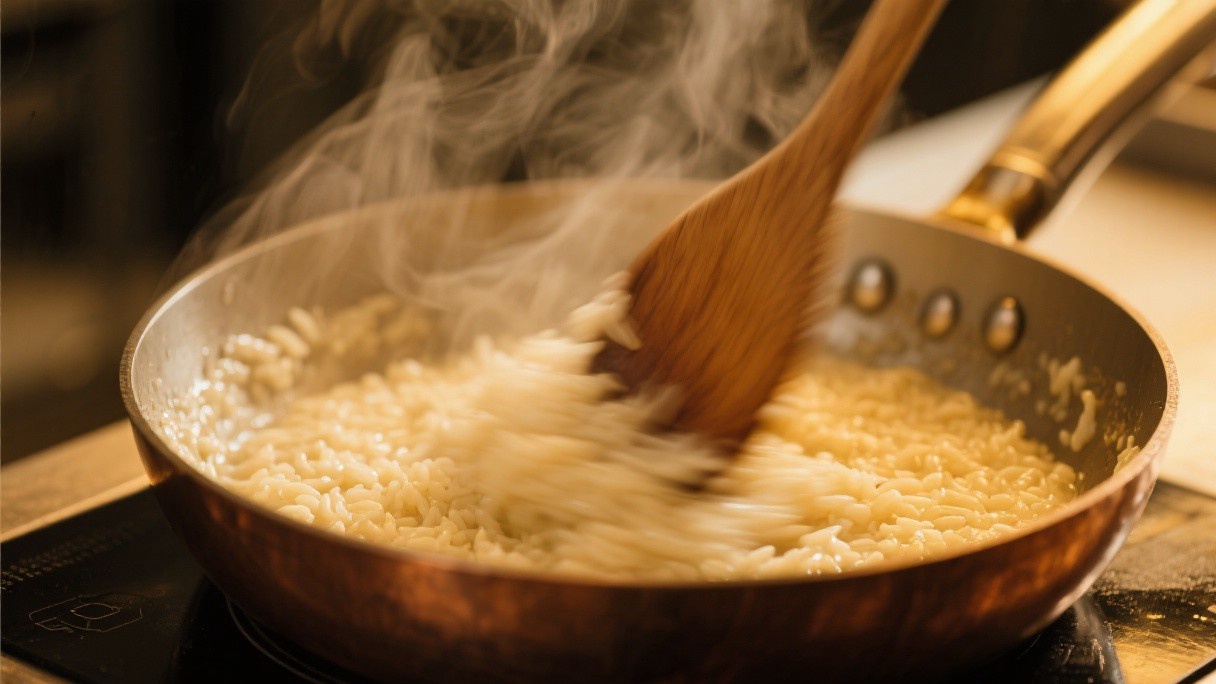
Contrary to popular belief, you don't need to stir constantly, but you do need to stir frequently. This agitation releases starch from the rice, creating the creamy consistency without adding cream. Add hot broth one ladle at a time, waiting until each addition is almost fully absorbed before adding more.
📷 Plated risotto with parmesan
The final step, mantecatura, involves vigorously stirring in cold butter and grated Parmigiano-Reggiano off the heat. This emulsifies the starch and fat, creating that signature glossy finish that separates good risotto from great risotto.
First Success
The turning point came when I stopped following rigid timing and started trusting my senses. The sound of the rice changes as it cooks—from a harsh rattle to a soft whisper. The texture transforms from gritty to creamy. These cues became my guide, more reliable than any clock.
Equipment That Matters
I invested in a heavy-bottomed pan that distributes heat evenly, preventing hot spots that scorch the rice. A wooden spoon became my preferred tool—gentle on the grains, perfect for the stirring rhythm. These simple tools elevated my risotto from good to exceptional.
Building Flavor Layer by Layer
The secret to exceptional risotto lies in the quality of your broth. I always make my own chicken or vegetable stock, simmered with aromatics like onion, celery, carrot, and a Parmesan rind, which provides a depth that store-bought versions cannot match. Each ladle of broth should be warm when added to prevent shocking the rice and halting the cooking process.
I add a splash of white wine after toasting the rice, letting it absorb completely before introducing the first ladle of broth.
Serving and Pairing Suggestions
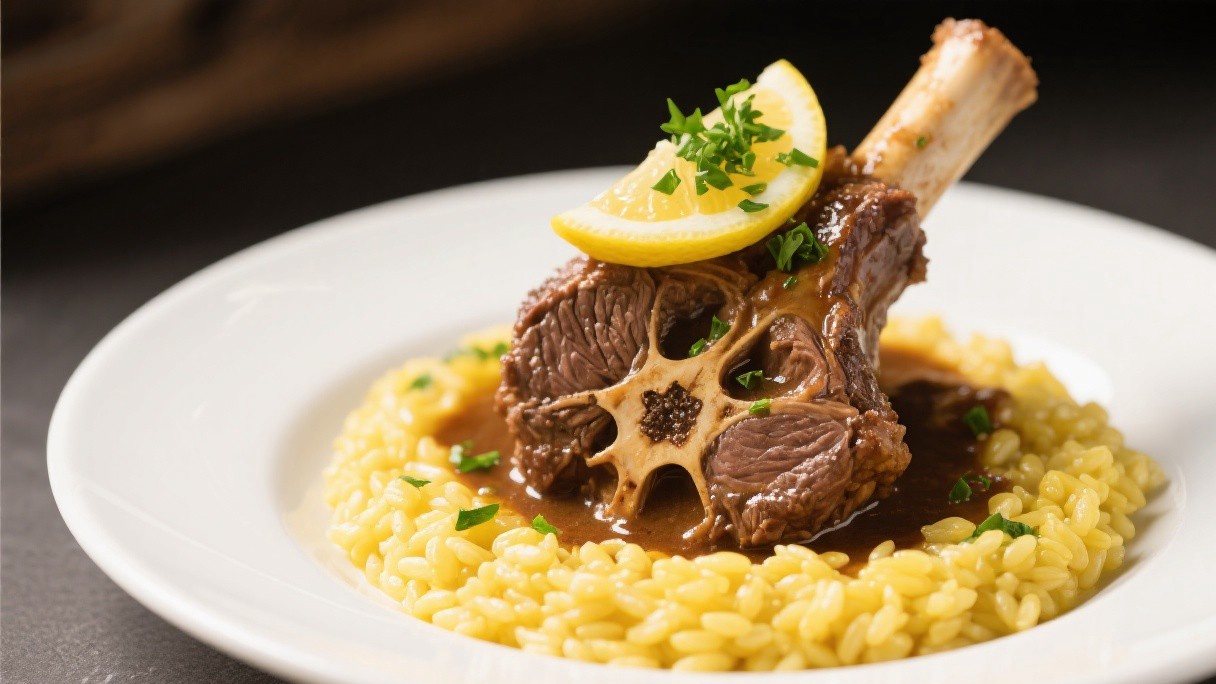
I serve my risotto alla Milanese as a primo piatto, followed by osso buco. The saffron-infused rice pairs beautifully with a crisp white wine — Pinot Grigio or a light Chardonnay. For a modern twist, I top the finished risotto with crispy fried shallots or a drizzle of high-quality extra virgin olive oil. I always serve it immediately on warmed plates, as risotto waits for no one and thickens as it sits.
Wine Pairing Deep Dive
The saffron in risotto alla Milanese creates a unique pairing challenge that rewards thoughtful wine selection. A crisp, mineral-driven white wine from the Lombardy region: a Franciacorta or a simple Lugana, mirrors the dish's origins and cuts through the richness of the butter and Parmesan. For those who prefer red wine, a light-bodied Barbera from neighboring Piedmont offers bright acidity and low tannins that complement without overwhelming the delicate saffron flavor.
The general rule is to avoid heavy, oaky wines that would mask the subtle, floral notes of the saffron.
Alternative Rice and Dietary Adaptations
While traditional risotto alla Milanese uses Arborio or Carnaroli rice, modern adaptations have expanded the possibilities. Pearl barley produces a nuttier, chewier version with more fiber. Farro offers an earthy, rustic alternative that holds up well to bold additions like wild mushrooms or sausage. For a vegan version, replace the butter and Parmesan with cashew cream and nutritional yeast, which mimic the richness and umami without any dairy.
These adaptations prove that the risotto technique is versatile enough to accommodate various dietary preferences while maintaining its essential character.
Restaurant Secrets for Home Cooks
Professional chefs use several techniques that home cooks can easily adopt. Toasting the rice in the pan for two to three minutes before adding any liquid creates a nutty flavor foundation. Finishing the risotto with a generous knob of cold butter, a technique called mantecatura, creates the signature creamy consistency. The rice should flow like lava when plated, neither sitting in a pool of liquid nor holding its shape like a mold.
Using a wide, shallow pan rather than a tall pot allows the liquid to evaporate more efficiently, giving better control over the final texture.
Keep your ingredients fresh and your workspace organized before you begin. Preparation matters more than fancy tools or expensive components. When everything is measured and within reach, the actual cooking becomes enjoyable rather than frantic, and the results show in every bite.