Low and Slow Mastery: Pulled Pork That Falls Apart
Meat
|
March 24, 2026
The world of Low and Slow Mastery is richer and more varied than most people realize. From ingredient selection to final presentation, every decision affects the outcome. By learning the foundational techniques covered here, you will gain the skills and confidence to experiment while still producing reliable, delicious results every time.
The Stall: Why Pork Shoulder Refuses to Cooperate
Pork shoulder is loaded with dense connective tissue and intramuscular fat, which makes it uniquely stubborn during low-and-slow cooking. Somewhere between 145°F and 170°F, the internal temperature plateaus—sometimes for four hours or more. Moisture migrating toward the surface begins evaporating, creating a cooling effect that fights your smoker's heat. Cranking the temperature to push through is the most common beginner error: the exterior bark incinerates while the interior stays rubbery.
Instead, wait until the bark has darkened to a deep mahogany (usually around 160°F), then wrap the shoulder tightly in foil or butcher paper. This traps the evaporating moisture against the meat, softening the bark slightly while raising the internal temperature past the plateau.
The pork shoulder's high collagen content means this stall is more pronounced than with almost any other cut—embrace it as proof that the tough fibers are slowly breaking down into the gelatin that gives pulled pork its signature silky texture.
The Rub: Foundation of Flavor
A good pork rub creates the bark that makes BBQ distinctive. Brown sugar provides sweetness and caramelization. paprika contributes color and mild flavor. Salt seasons the meat deeply. cumin and garlic powder add complexity. Apply rub generously the night before and refrigerate uncovered—the dry surface improves bark formation.
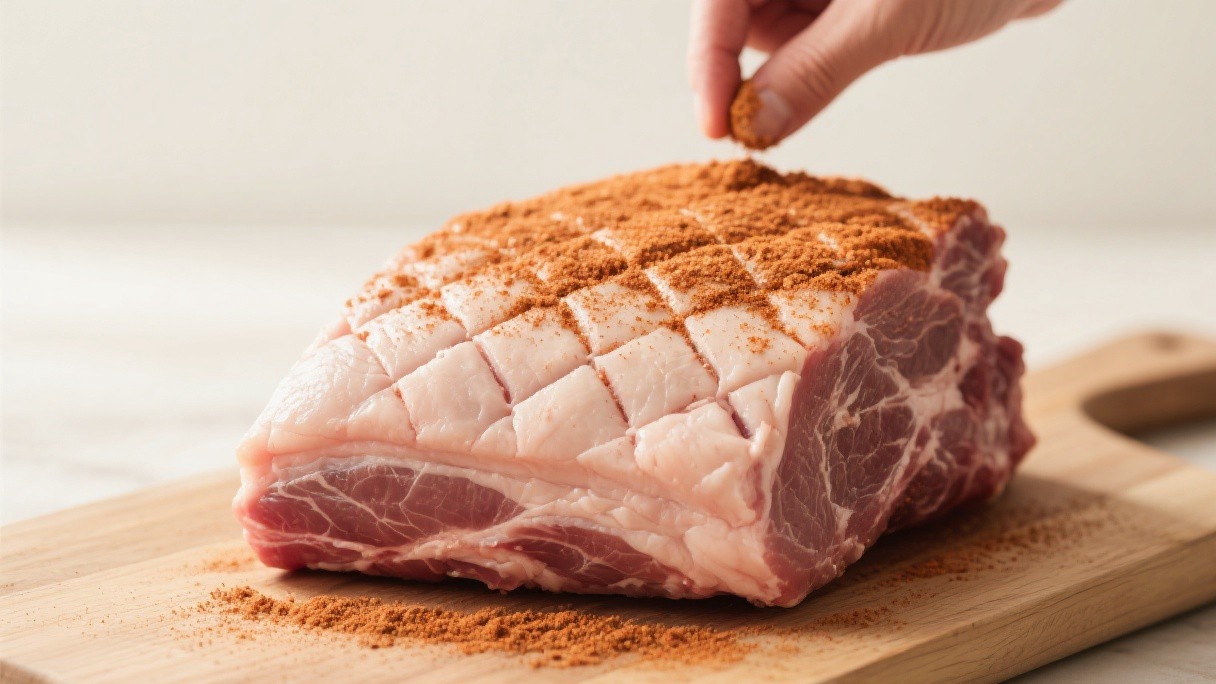
📷 Pulled pork with BBQ sauce
Wood and Smoke
Smoking adds flavor beyond heat: hickory for traditional bacon-y richness, apple or cherry for sweetness, oak for balance. Use chunks, not sawdust; chunks produce cleaner smoke. Maintain smoker temperature between 225-250°F consistently. Fluctuations cause tough meat; steady temperature allows even collagen conversion.
The Pull
Pork is done at 195-205°F internal temperature, when collagen has fully converted and meat is fork-tender. Rest 1 hour wrapped in butcher paper. Pull by hand for best texture—shreds should be uneven, with some chunky pieces for variety. Toss with collected juices and your favorite sauce.
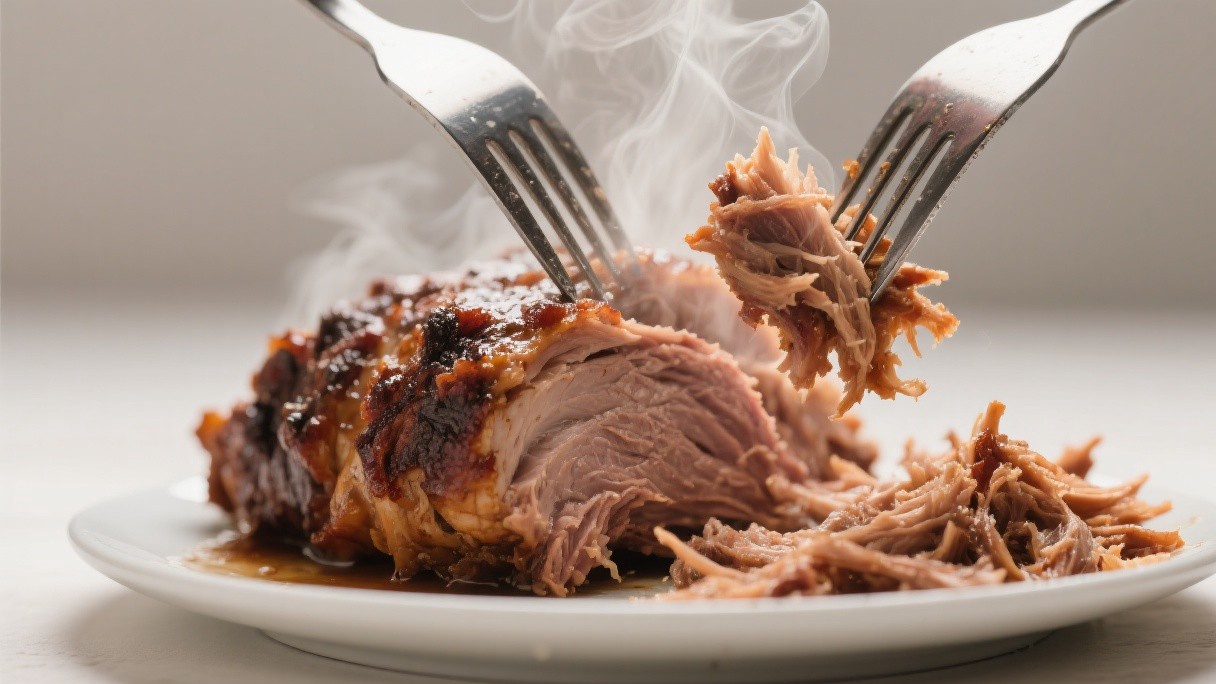
📷 Pulled pork sandwich
Pulled pork rewards planning. Smoke it on a weekend, eat some fresh, and refrigerate the rest for tacos, nachos, or fried rice throughout the week. Properly made, it's better than any restaurant version and worth every hour of patient waiting.
Rub Formulation and Application
A great pulled pork rub balances sweet, savory, and spicy elements in harmony. I build my rub starting with a base of brown sugar and paprika, then add garlic powder, onion powder, ground cumin, and a generous dose of black pepper. A touch of cayenne provides background heat that builds with each bite. The rub should be applied generously to all surfaces of the pork shoulder at least twelve hours before cooking, wrapped tightly in plastic wrap and refrigerated.
This overnight rest allows the salt in the rub to penetrate deep into the meat through osmosis.
The Resting Period and Pulling Technique
Resting the pork shoulder after cooking is just as important as the cooking itself. I wrap the finished shoulder in foil and place it in an empty cooler lined with towels, where it can rest for up to four hours while remaining above 140 degrees Fahrenheit. This extended rest allows the collagen and connective tissue to fully relax and the juices to redistribute throughout the meat.
When pulling, I use two forks or bear claws, shredding along the natural grain of the meat while discarding any large pieces of fat or unrendered connective tissue.
Sauce and Glaze Options
The right sauce or glaze elevates pulled pork from excellent to unforgettable. A traditional vinegar-based sauce, common in North Carolina, provides sharp acidity that cuts through the richness of the pork. A Kansas City-style sweet and smoky sauce, thick with molasses and tomato, creates a sticky, caramelized exterior. Alabama white sauce, a mayonnaise and vinegar-based condiment, offers a tangy, creamy contrast.
For a simpler approach, a finishing glaze made from reduced apple cider vinegar, brown sugar, and a splash of bourbon brushed on during the last thirty minutes of cooking creates a beautiful, flavorful crust that caramelizes beautifully.
Side Dish Pairings
Pulled pork demands side dishes that complement its rich, smoky flavor and provide textural contrast. Creamy coleslaw, with its crisp cabbage and tangy dressing, is the most traditional pairing and also serves as a topping when piled directly on the sandwich. Baked beans, slow-cooked with molasses and bacon, echo the smoky sweetness of the pork. Cornbread, slightly sweet and crumbly, soaks up the juices and provides a satisfying base.
Pickled jalapenos and onions add acidity and heat that balance the richness. Macaroni and cheese, with its creamy, comforting texture, rounds out the plate and makes the meal feel complete.
BBQ Tips
For pulled pork, the internal temperature should reach 203°F for perfect tenderness. Wrap in butcher paper during the stall to speed up cooking while maintaining moisture.