Compare The Top 5 Plant Based Meal Kit Delivery Services For 2026
Nutrition
|
February 14, 2026
Most people do not need more recipes. They need fewer decisions at 6:00 PM. That is the real appeal of a plant-based meal kit. It is not about becoming a perfect home cook overnight. It is about making dinner feel possible on the kind of evening when your fridge looks like a mess, and your energy is gone.
What Meal Kits Actually Do For A Plant-Based Routine
Meal kits help when the hardest part of eating more plants is not motivation, but momentum. They remove the daily question of what to cook and give you a structured way to build meals around grains, beans, vegetables, sauces, and proteins without having to plan every detail yourself.
Plant-Based Eating Usually Starts With Convenience
In everyday terms, a plant-based approach means putting plants at the center of the plate more often. That can be lentils instead of ground meat, tofu instead of chicken, or a grain bowl that feels complete with texture, fat, and enough seasoning. People usually transition best when the food still feels like dinner, not a side dish pretending to be a meal.
The Best Kit Depends On Your Actual Week
Some people want a box that teaches them how to cook better. Some want dinner in ten minutes. Those are two very different needs. The smartest way to pick a service is not to ask which one is best in general. It is asking which one fits your current energy level, budget, and kitchen habits.
Purple Carrot Works Best For People Who Want To Cook
Purple Carrot is still the clearest fit for households that want a fully vegan service without sorting through meat-heavy menus to find one usable option. It feels focused, and that matters if you are trying to build a consistent plant-based routine.
It Has The Most Committed Vegan Identity
Everything is designed around plants from the start, so the meals feel intentional rather than adapted. That usually means stronger flavor and more confidence with ingredients like lentils, tahini, miso, grains, roasted vegetables, and sauces made from scratch. It is one of the better vegan food delivery review picks if you actually enjoy being in the kitchen.
The Trade-Off Is Time
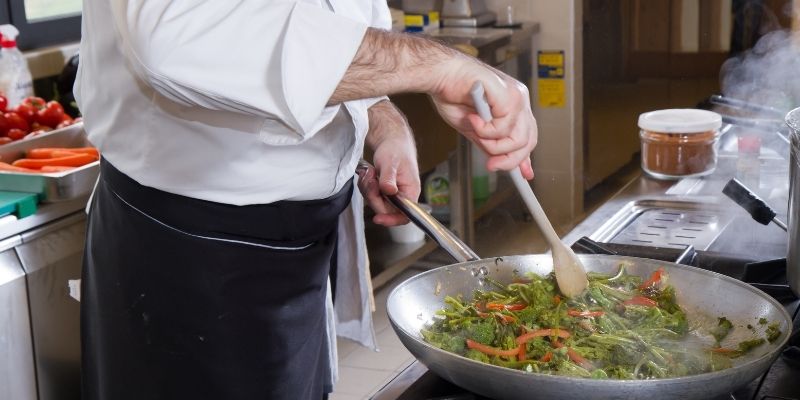
Purple Carrot often takes around 30 to 40 minutes, sometimes a little more, once you factor in cleanup. That is fine on a relaxed evening, but less ideal if you are feeding kids or getting dinner started after a long commute. The food is usually more interesting than average, but the process asks something from you.
Green Chef Is A Strong Pick For The Organic Shopper
Green Chef makes sense for people who care about organic ingredients and are willing to pay a little more for that choice. It sits in that middle zone where the meals feel polished but not too fussy.
It Feels Fresh And Reliable
In a Green Chef vs Purple Carrot comparison, Green Chef is usually the calmer, steadier option. There is often a grain bowl, roasted vegetables, a creamy sauce, and a protein element that all work well together. The meals feel clean and well-built, even if they are not always the most surprising.
It Can Get Repetitive
This is the downside. If you use it every week, the structure starts to repeat. That is not always bad. Some people like that. Still, if you want variety and stronger restaurant-style flavor, Purple Carrot usually has more personality.
Hungryroot Is Best For Busy People Who Still Want Control
Hungryroot is not a classic meal kit in the strict sense. It feels more like a very helpful grocery system that happens to hand you easy vegan dinner ideas along the way.
It Wins On Weeknight Speed
This is where Hungryroot shines. You get prepped ingredients, shortcuts, sauces, and simple pairings that can turn into dinner in about ten minutes. If you want plant-based meal kits for 2026 that don't require chopping onions after work, this is probably the strongest one.
It's less like cooking.
That can be a plus or a minus. Some people love the speed. Others feel like they are assembling rather than cooking. Still, it is one of the easiest ways to keep affordable plant-based eating realistic during a chaotic week.
Sunbasket Makes Sense In Mixed Households
Sunbasket works well when not everyone in the household eats the same way. That flexibility matters more than people like to admit, especially in families where one person is trying to eat mostly plants, and someone else still wants fish or chicken sometimes.
The Sauces Are Usually The Strongest Part
Sunbasket tends to excel with flavor. The meals often have more depth because the sauces lean on spices, fermented ingredients, or stronger seasoning than many mainstream kits. That helps a lot with plant-based meals, which can feel flat if the acid, salt, and texture are off.
It Costs More, But Saves Time
This is not the cheapest option. On the other hand, some of the prep is already done, which lowers the barrier to actually making the meal. Paying more can make sense if the alternative is skipping the box and ordering takeout anyway.
Mosaic Foods Covers The Frozen Dinner Gap Better Than Most
Mosaic is different from the others because it lives more in the prepared and frozen space. That makes it less romantic than a box of fresh produce, but sometimes frozen is exactly what keeps a routine from falling apart.
It Is The Best Backup Plan
The family bakes, stews, makes risottos, and serves vegetable-heavy mains, which are useful because they require almost no thought. You keep them in the freezer and use them on nights when your meal kit hasn't arrived, your produce is gone, or your motivation is nonexistent.
Convenience Is The Whole Point
This is not the service to pick if you want to become a better cook. It is the service to pick if you want a credible dinner with almost zero effort. In real life, that has value.
Another Good Shortcut Meal
You can also make black bean walnut taco filling by pulsing walnuts with black beans and taco seasoning, then warming it in a pan with salsa. Spoon it into tortillas and add lettuce or pickled onions. That is exactly the kind of texture-focused idea that meal kits are good at teaching.
Start with the service that matches your current life, not your ideal fantasy version of it. Hungryroot or Mosaic makes the most sense if you need dinner fast, while Purple Carrot is better if you want to build kitchen confidence. Keep one or two home fallback meals in your pocket, save the recipe cards you actually use, and let convenience carry some of the weight while the habit gets easier.