Why Your Plant Based Diet Is Making You Tired And How To Fix It Fast
Nutrition
|
February 11, 2026
Many people switch to a plant-based diet and expect to feel lighter, sharper, and more energetic right away. Then a week later, they are dragging through the afternoon, staring at the kettle, and wondering why lunch seemed huge but somehow did not carry them very far. That tired feeling is usually not a sign that plant-based eating is failing. It is usually a sign that the meals need more structure.
The Problem Is Often The Plate, Not The Diet
When people move toward a plant-based approach, they often remove meat and dairy faster than they replace the calories, protein, and fats those foods once provided. That is where the energy drop usually starts.
Big Bowls Can Still Be Low Fuel
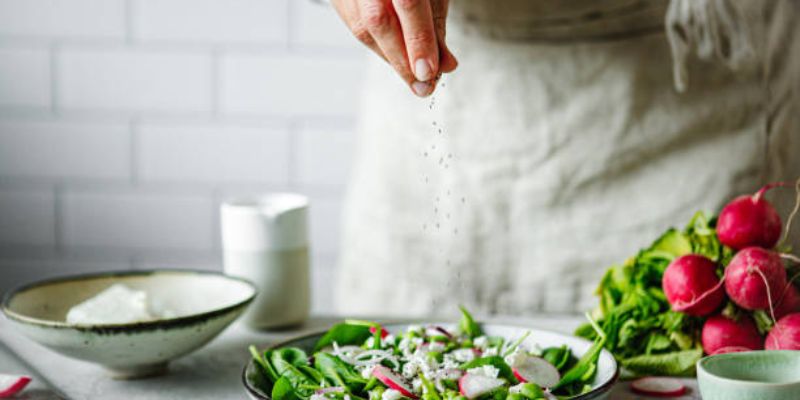
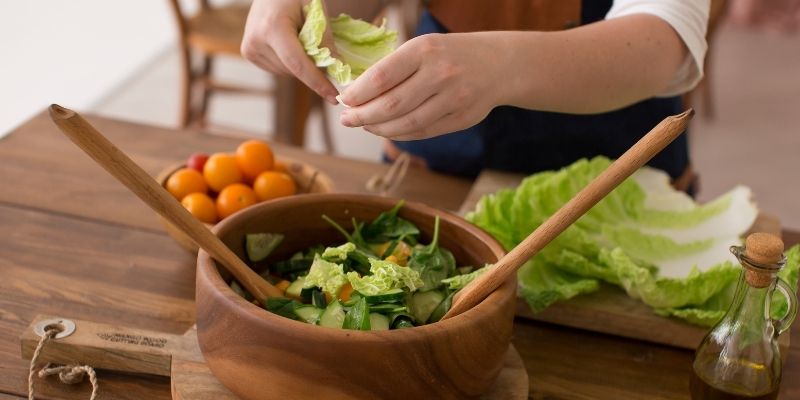
This happens all the time. Someone swaps a sandwich and yogurt for a giant salad with lettuce, cucumber, tomato, and a light dressing. It looks healthy and fills the bowl, but it doesn't always provide enough energy to get you through the next few hours.
A plant-based meal usually needs a heavier center. That can be lentils, chickpeas, tofu, brown rice, quinoa, avocado, tahini, nuts, or seeds. Vegetables still matter, but they cannot do the whole job alone.
Fullness Comes From More Than Greens
If a meal has almost no fat and very little protein, you are more likely to feel hungry and foggy soon after eating. This is why plant-based protein sources matter in practical ways. They do not just make the meal more balanced. They make it feel finished.
A better lunch looks like this: greens in the background, beans or tofu as the main body, grains underneath, and a dressing with some real richness.
Iron Problems Can Sneak Up Quietly
This is one of the biggest reasons people feel run down on a plant-based diet, especially if they eat plenty of leafy greens but don't absorb iron well. The fix is usually less dramatic than people expect.
Plant Iron Needs Help
Iron from a vegan diet works differently from iron from meat. Beans, lentils, spinach, tofu, pumpkin seeds, and fortified cereals can all help, but the body does not readily absorb that iron.

This is why pairings matter. Lentils with lemon make more sense than lentils alone. Black beans with salsa and peppers are better than black beans eaten dry and plain. The small additions change how useful the meal becomes.
Coffee Timing Can Make Things Worse
A lot of people eat an iron-rich meal, then chase it with tea or coffee, unknowingly making iron absorption harder. If you are trying to get more from your meals, it helps to leave a little gap. Have coffee an hour later, rather than right on top of lunch.
That one habit can make more of a difference than people think, especially if your meals already include beans, greens, or seeds.
Your Energy May Also Need More Protein And More Actual Food
Plant-based fatigue is not always about a deficiency. Sometimes it is simply that the meals are too light, too snacky, or too focused on produce, lacking enough dense ingredients to support a full day.
Breakfast Is Where A Lot Of Days Go Wrong
Toast and fruit can be fine, but for many people, that is not enough. Oats with soy milk, hemp seeds, peanut butter, and banana will hold up much better. Tofu scramble on toast with avocado is another strong option. Even leftovers can work. There is no rule saying lunch foods cannot show up at breakfast.
A Fast Bowl That Actually Helps
One of the easiest plant-based meal ideas is a quick grain bowl. Use cooked brown rice or farro, warm some black beans with cumin and garlic, add spinach until it wilts, then top it with avocado and a tahini-lime dressing. That meal gives you carbs, protein, fat, and a bit of acid to brighten everything.
If you do not have black beans, use chickpeas. If tahini is too expensive, use peanut butter thinned with lemon or lime and water. The idea matters more than the exact ingredient.
B12 Is Boring, But It Matters
This is the part people tend to skip because it is less fun than building a colorful meal. Still, vitamin B12 for vegans is one of the few parts of this diet that really should not be guessed at.
You cannot Rely On Vague Natural Sources.
Fortified plant milks, fortified cereals, and nutritional yeast can help, but they are not always enough if intake is inconsistent. If you feel deep, persistent fatigue that does not improve with fuller meals, it is worth checking your B12 status with a doctor.
A Supplement Is Not A Defeat
A lot of people act like taking B12 somehow means the diet is incomplete. It does not. It means you are paying attention. B12 is one of the simplest places to be practical instead of idealistic.
Convenience Matters More Than Perfect Cooking
Tired people do not need a three-hour kitchen project. They need two or three reliable meals that can be made fast, repeated often, and adjusted based on what is in the fridge.
Frozen And Canned Foods Are Fine
Frozen spinach, frozen broccoli, canned beans, quick oats, peanut butter, tofu, and rice are all useful. They save time, lower cost, and remove the pressure to cook every component from scratch. A vegan energy boost often starts with making meals easier, not fancier.
One Easy Dinner To Keep On Repeat
Try this on a weeknight. Boil pasta, then in another pan, in warm olive oil, garlic, white beans, and chopped kale. Add a squeeze of lemon and a little pasta water. Stir the pasta through and finish with pumpkin seeds or nutritional yeast. It is not complicated, but it gives you more than a bowl of vegetables ever will.
Social Situations Can Drain Energy Too
Eating out, family dinners, and rushed afternoons can make plant-based eating feel harder than it does at home. That often leads to meals built from fries, bread, or whatever side dish is available.
Eat Before You Get Stranded
If you know options will be poor, have something small and solid first. Peanut butter toast, hummus with pita, or a banana with sunflower seeds is enough to stop the desperate hunger that leads to a weak dinner.
Keep One Or Two Portable Foods Around
Roasted chickpeas, trail mix, soy yogurt, or a simple sandwich can save you from the all-or-nothing feeling that often shows up during transitions.
Start by fixing one meal, not your whole life. Make breakfast heartier, or build lunch around beans and grains instead of leaving it alone. Add something with iron, something with protein, and something with fat, then give it a few days before judging the result. Most of the time, energy comes back when the meals stop looking light and start acting like real food.