Tender and True: The Science of Perfect Meatball Texture
Meat
|
March 18, 2026
There is a reason Tender and True has endured as a beloved tradition across cultures. When done right, the results far surpass anything store-bought or restaurant-made. The secret lies in understanding a few core principles and applying them consistently. With the right approach, you can achieve professional-quality results in your own kitchen.
The Fat Question
Fat equals flavor and moisture, but too much makes meatballs greasy and unable to hold shape. The ideal range is 15-20% fat in the mixture. Ground beef labeled "85% lean" works perfectly. Mixing beef with pork (50/50) adds fat and complexity. Very lean beef makes dry, tight meatballs nobody enjoys.
Binder Fundamentals
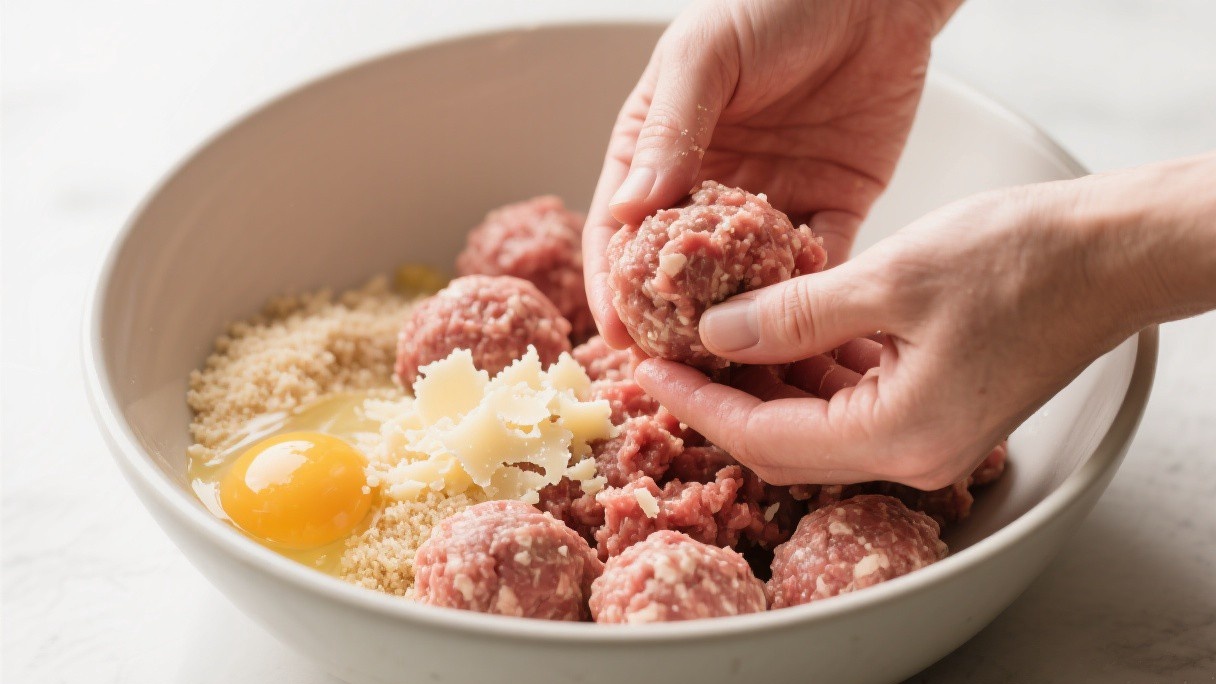
Binders add structure without adding density. Bread soaked in milk (panade) is the traditional Italian binder—creates tender texture. Eggs provide emulsification and moisture. Both work together; using both (one egg and small amount of panade) yields superior results. Without binders, meatballs are simply dense meat cylinders.
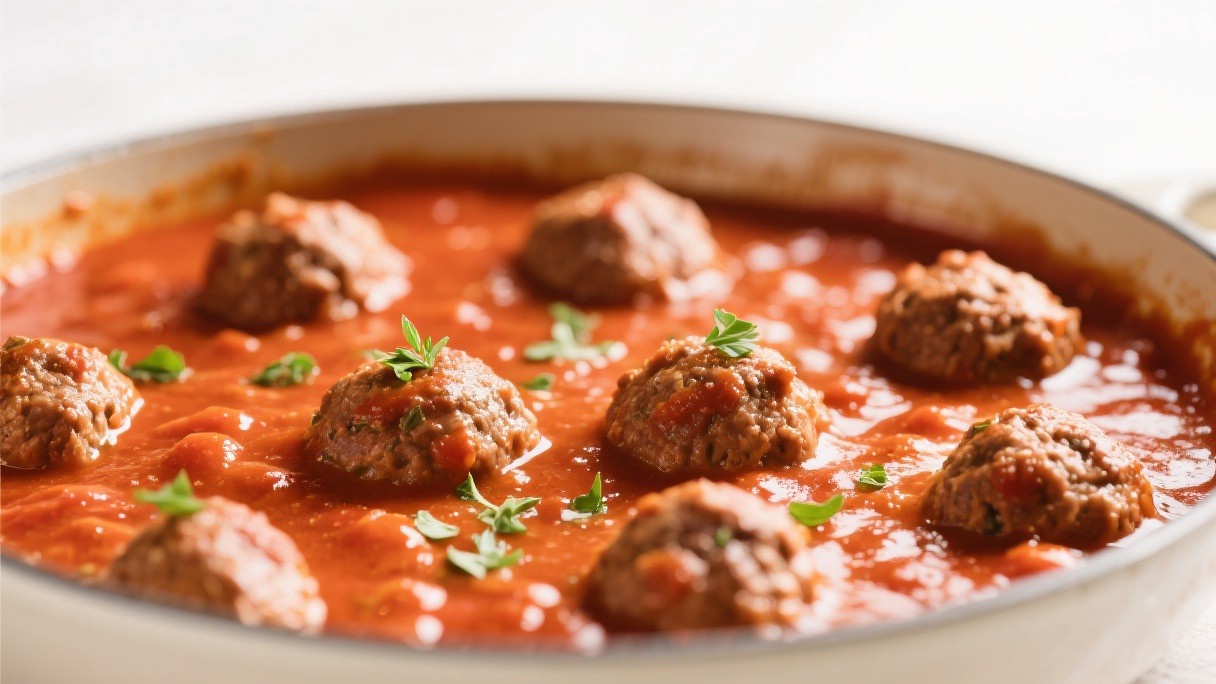
📷 Italian meatballs in tomato sauce
Avoiding Dense Errors
Overmixing develops gluten, creating tight, rubbery texture. Mix just until ingredients combine—no more. Use your hands lightly, not a firm grip. Adding ice water to the mixture creates steam pockets during cooking, resulting in tender texture. Cold fat (butter cubes) does the same. These tricks compensate for inevitable firmness.
Cooking Methods
Brown meatballs in oven (400°F, 20 minutes) for consistent browning without babysitting a pan. Finish in simmering sauce for 20-30 minutes. Alternatively, brown first in batches in a skillet, then simmer in sauce. Never boil sauce vigorously—it can break delicate meatballs apart. Gentle simmering is essential.
📷 Meatballs over pasta
Mix and roll meatballs in advance, refrigerate on a sheet pan, and cook when needed. They can be frozen raw or cooked. Leftover meatballs reheated in sauce taste even better as flavors meld. These are make-ahead marvels that reward planning.
The Mixing Method
Using a light hand when combining ingredients, stopping before the mixture becomes paste-like. This restraint creates tender meatballs rather than bouncy ones. The difference is immediately apparent in the finished dish.
Sauce Simmering
Simmering meatballs gently gently in sauce, never boiling, allowing them to absorb flavor while remaining intact. This slow cooking melds meat and sauce into a cohesive dish greater than its parts.
The Protein Structure of Perfect Meatballs
The science behind tender meatballs lies in how the proteins are handled during mixing. Overworking the meat mixture develops too much gluten and compresses the proteins, resulting in dense, rubbery meatballs. The ingredients should be combined gently until just incorporated, using hands rather than a machine. Adding a panade, which is a mixture of torn bread soaked in milk, introduces moisture and starch that interfere with protein bonding, keeping the meatballs tender.
Eggs provide additional binding power while contributing to a lighter texture when the mixture is not overworked.
Cooking Methods Compared
Meatballs can be cooked using several methods, each producing different results. Pan-frying in olive oil creates a flavorful browned crust but requires careful temperature management to prevent burning the exterior before the interior cooks through. Baking on a sheet pan in a hot oven at 400 degrees Fahrenheit produces evenly cooked meatballs with less hands-on attention. Simmering directly in sauce keeps them exceptionally moist but can make the sauce greasy.
The most flavorful approach combines methods: brown the meatballs in a hot pan, then transfer them to a simmering sauce to finish cooking and absorb the surrounding flavors.
Meatball Variations from Around the World
Meatballs are a universal comfort food found in nearly every cuisine, each with distinctive characteristics. Italian polpette combines beef, pork, and veal with Parmesan and herbs, typically served in tomato sauce or as a second course. Swedish meatballs use a mixture of beef and pork with allspice and nutmeg, served with lingonberry sauce and cream gravy. Spanish albondigas feature smaller meatballs with cumin and cilantro in a saffron-scented broth.
Middle Eastern kofta uses lamb or beef with parsley, onion, and warm spices, often grilled on skewers. Exploring these international variations reveals the remarkable versatility of the meatball concept and provides endless inspiration for home cooking.
Bread and Binder Options
The choice of bread and binder significantly affects meatball texture and flavor. Italian-style meatballs traditionally use day-old Italian bread soaked in milk or water, which creates a tender, light texture. Panko breadcrumbs provide a crispier exterior and lighter interior than regular breadcrumbs. Rolled oats, an unconventional but effective option, add fiber and a pleasant texture. For gluten-free meatballs, almond flour or rice-based breadcrumbs work well.
The binder, typically one to two eggs per pound of meat, should be mixed in gently to avoid developing the proteins excessively. Some recipes add a small amount of ricotta cheese for extra moisture and a softer texture.
Freezing and Batch Cooking Meatballs
Meatballs are exceptionally good foods for batch cooking and freezing, as they maintain their quality remarkably well. After forming the meatballs, arrange them in a single layer on a baking sheet lined with parchment paper and freeze until solid, about two hours. Transfer the frozen meatballs to a freezer bag, removing as much air as possible. They can be stored for up to three months.
To cook from frozen, add approximately five to ten minutes to the cooking time, or drop them directly into simmering sauce. This make-ahead approach makes it easy to have homemade meatballs available for quick weeknight meals without the preparation time.
Do not let the length of these instructions intimidate you. Break the process into stages, tackle one at a time, and soon the entire workflow will feel natural. The investment of time and attention pays dividends every single time you serve the finished dish.
Great meatballs come down to a gentle hand and the right ratio of binder to meat. Do not overmix, do not overcook, and always let the sauce simmer low and slow. These small details separate good meatballs from unforgettable ones.