Argentine Asado: Whole Ribeye Grilled Over Wood Embers
Meat
|
March 20, 2026
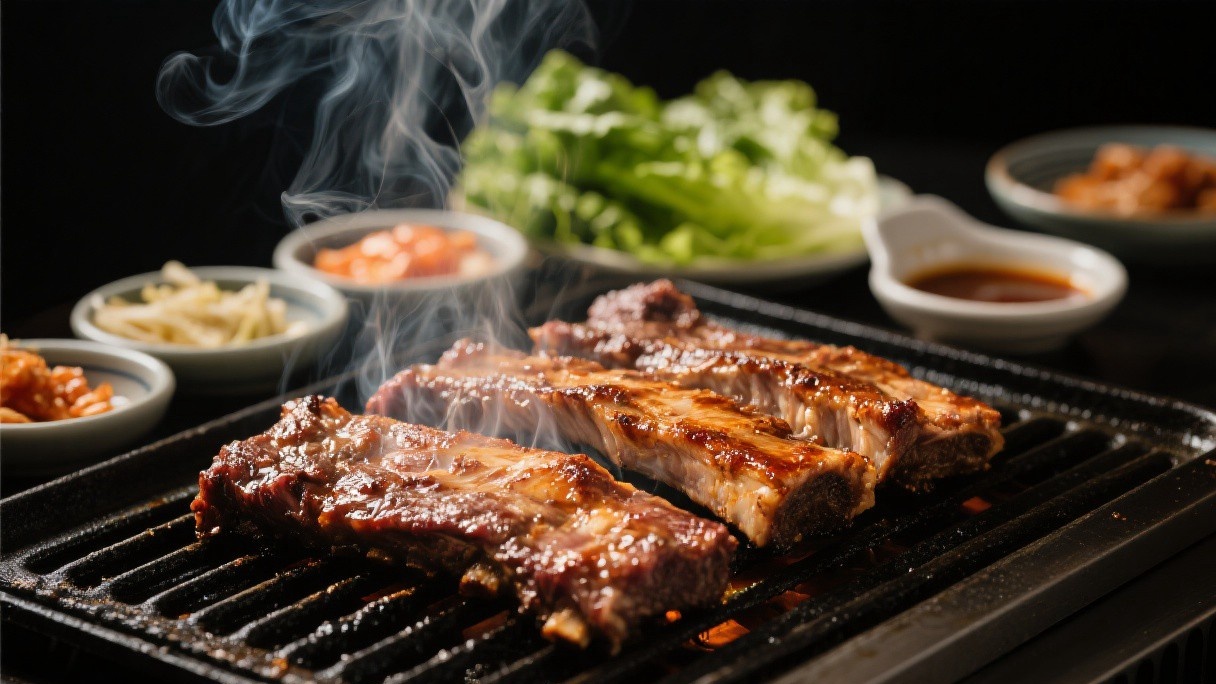
The Argentine asado is more than a method of cooking meat; it is a social ritual that can last an entire afternoon. I attended an asado at a friend's home in Buenos Aires, and the process, from building the fire to serving the last cut, took nearly 6 hours. The meat, typically a whole ribeye, called asado de tira, or a thick-cut rib roast, called tira de asado, is cooked over a wood fire that has burned down to embers.
The heat is gentle and consistent, and the smoke from the wood imparts a flavor that cannot be replicated with gas or charcoal briquettes. The patience required is considerable, but the result is meat that is cooked evenly from edge to edge with a deep, smoky crust.
Building the Fire with Hardwood
I use hardwood, specifically quebracho or mesquite, which burns slowly and produces a bed of embers that radiates heat for hours. I start the fire about 90 minutes before I plan to begin cooking, using smaller pieces of wood to establish the initial flame and then adding larger logs as the fire establishes. The goal is not to cook over flame but over the embers that remain after the wood has burned down.
I wait until the wood has collapsed into a deep bed of glowing red coals covered with a thin layer of white ash, which indicates the embers are at their peak temperature, about 350 to 400 degrees Celsius at the surface. I spread the embers into an even layer under the grill grate using a long-handled shovel, creating zones of varying heat intensity by piling embers thicker on one side.
Preparing and Seasoning the Ribeye
I use a whole bone-in ribeye, about 3 kilograms, with the fat cap left intact. The fat cap should be about 1.5 to 2 centimeters thick, which protects the meat during cooking and renders down to baste it from above. I season the meat generously with coarse salt, about 1 tablespoon per kilogram, applied to all surfaces at least 45 minutes before cooking.
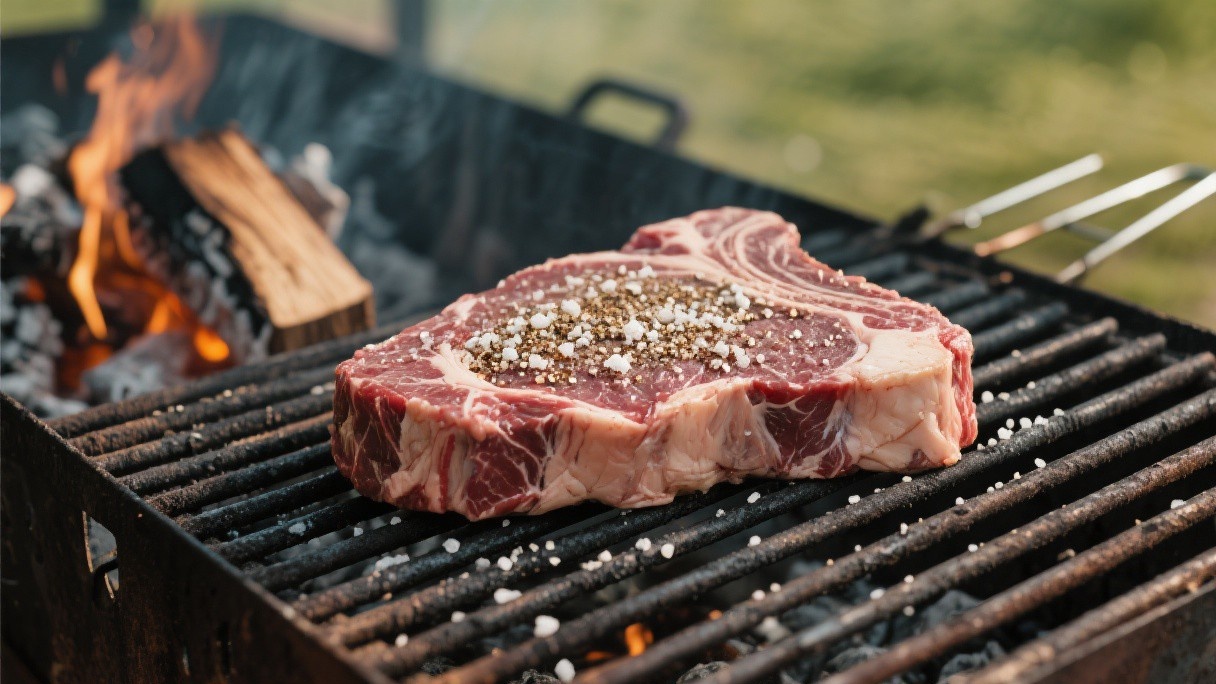
I do not use pepper, oil, or any other seasoning; the Argentine tradition holds that salt is the only condiment needed for properly raised beef. The meat comes to room temperature during the salting period, which ensures more even cooking. I leave it uncovered on a cutting board, which allows the surface to dry slightly and promotes better crust formation.
The Grill Setup and Heat Zones
An Argentine-style grill, or parrilla, is adjustable in height, which allows the cook to control the distance between the meat and the embers. I start the ribeye on the higher setting, about 30 centimeters above the embers, with the fat cap facing up. This initial phase cooks the meat gently and allows the fat to begin rendering slowly. After 30 minutes, I lower the grill to about 20 centimeters and flip the meat so the fat cap is facing down.
The fat cap directly over the embers sizzles and renders, basting the meat with its juices. I maintain this position for another 30 minutes, then flip the meat again and lower the grill to about 15 centimeters for the final searing phase, which develops the crust.
Temperature Monitoring and Resting
I use an instant-read meat thermometer to monitor the internal temperature, inserting it into the thickest part of the ribeye away from the bone. For medium-rare, I pull the meat at 52 degrees Celsius, knowing that the carryover cooking will raise the temperature by another 5 to 7 degrees during resting. The total cooking time for a 3-kilogram ribeye over wood embers is typically 90 to 120 minutes, depending on the thickness and the heat of the embers.
I check the temperature every 15 minutes after the first hour. Once the target temperature is reached, I remove the meat from the grill, place it on a wooden cutting board, and tent it loosely with foil. I let it rest for at least 15 minutes, which allows the juices to redistribute throughout the meat.
Carving and the Achuras Tradition
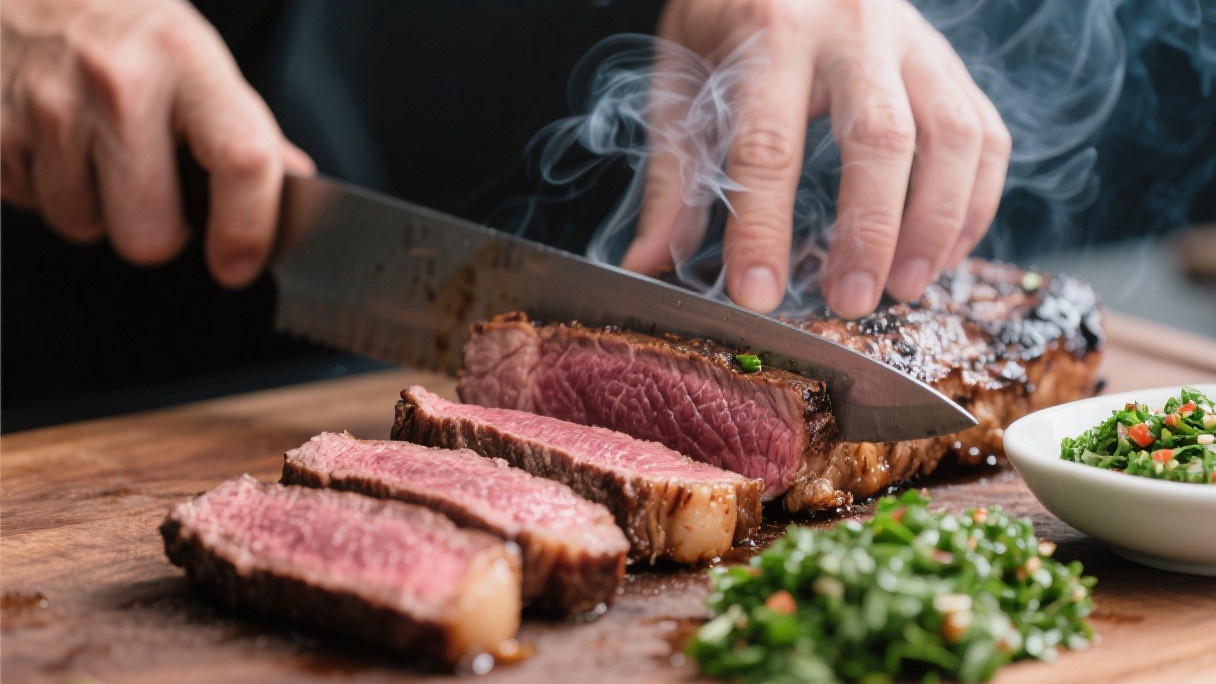
I carve the ribeye by slicing it across the grain into 1-centimeter-thick pieces, working from the thinner end toward the thicker end. Each slice should include a portion of the rendered fat cap, which provides a rich, buttery contrast to the lean meat. In the Argentine tradition, the asado includes achuras, or organ meats and other cuts, which are served before the main ribeye.
I grill sweetbreads, chorizo sausages, and morcilla, blood sausage, alongside the ribeye, serving them as the first course while the main meat rests. The entire meal is eaten communally, with the asador, the person tending the grill, serving each guest directly from the cutting board.
Char Siu Bao and Other Uses for Leftovers
Beyond serving char siu as a standalone dish, it is a versatile ingredient in several Chinese recipes. Char siu bao, or steamed BBQ pork buns, are made by dicing the char siu and mixing it with a sweet sauce of oyster sauce, sugar, soy sauce, and cornstarch, then enclosing the filling in a steamed yeast dough.
I make the dough from 300 grams of bread flour, 5 grams of instant yeast, 30 grams of sugar, and 150 milliliters of warm milk, kneading for 10 minutes until smooth and elastic. The filled buns proof for 30 minutes and steam for 12 minutes. Char siu is also excellent fried with rice and egg for a quick char siu fried rice, or added to wonton noodle soup as a topping.
I always make extra char siu specifically for these secondary uses, because having it on hand in the refrigerator opens up a range of quick meal options throughout the week.
Keep your ingredients fresh and your workspace organized before you begin. Preparation matters more than fancy tools or expensive components. When everything is measured and within reach, the actual cooking becomes enjoyable rather than frantic, and the results show in every bite.