Flavor Foundations: Essential Ground Meat Seasoning Blends
Meat
|
March 16, 2026
There is a reason Flavor Foundations has endured as a beloved tradition across cultures. When done right, the results far surpass anything store-bought or restaurant-made. The secret lies in understanding a few core principles and applying them consistently. With the right approach, you can achieve professional-quality results in your own kitchen.
Salt: The Non-Negotiable
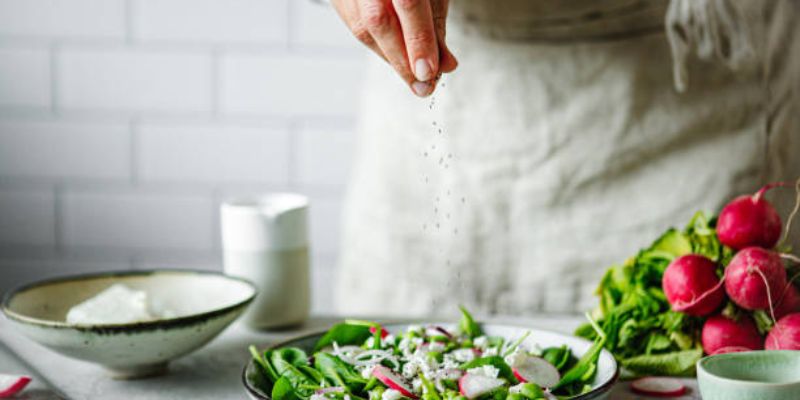
Salt doesn't just add flavor—it enhances perception of other flavors. Without adequate salt, food tastes flat. For burgers: 1 teaspoon kosher salt per pound. For meatballs: add salt to the meat mixture, but also salt the pan when browning. Season in layers: add some during mixing, season surfaces before cooking.
Building Base Seasoning
The foundation for most ground meat seasoning: salt, black pepper, garlic (powder or fresh), and onion (powder or fresh). These four cover 80% of ground meat applications. From there, regional variations add character: cumin and chili for Mexican; oregano and basil for Italian; five-spice for Asian; curry powder for Indian.
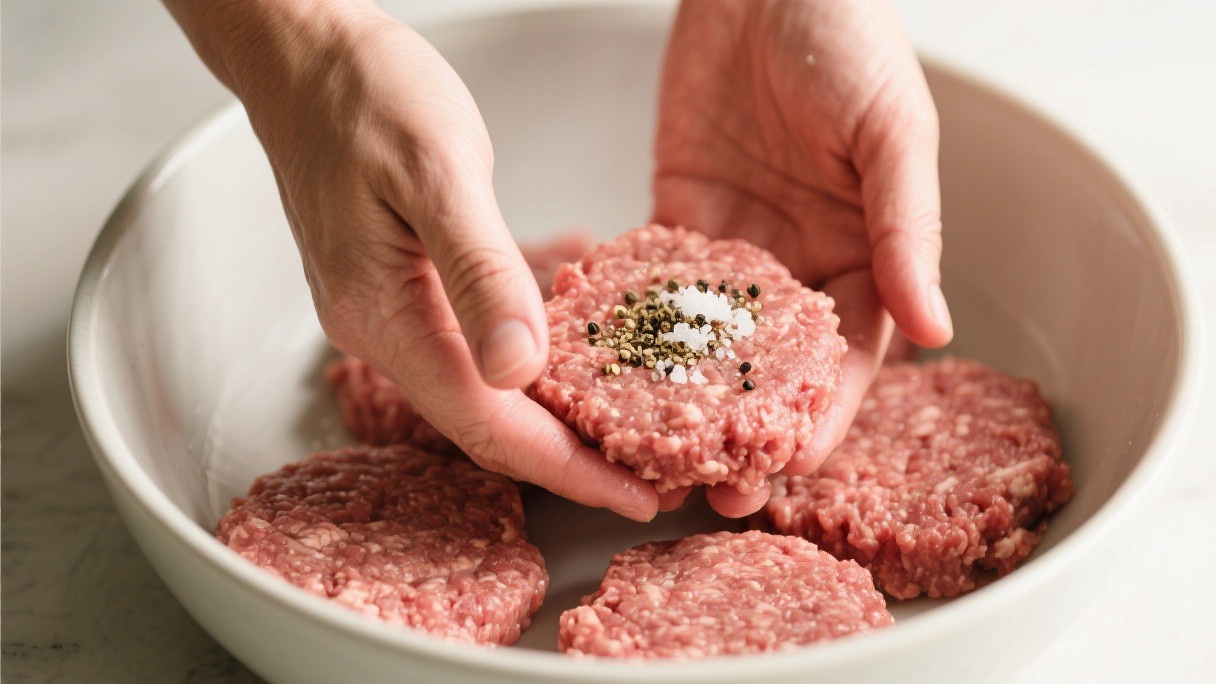
📷 Seasoned ground meat mixture
The Umami Boost
Umami—the fifth taste—makes food satisfying in ways salt alone can't achieve. For ground meat: Worcestershire sauce (2 teaspoons per pound), fish sauce (small amount adds depth without fishy flavor), anchovy paste, or Parmesan cheese (for Italian applications). These ingredients make people want to keep eating, not because of spiciness or sweetness but because of fundamental savoriness.
Binding and Texture
Seasoning blends affect more than taste—they impact texture too. Breadcrumbs or crackers in meatballs retain moisture. Eggs provide binding strength. Cold fat (butter cubes) in burger mix creates juicy pockets. These aren't seasonings but work with seasonings to create complete, satisfying dishes.
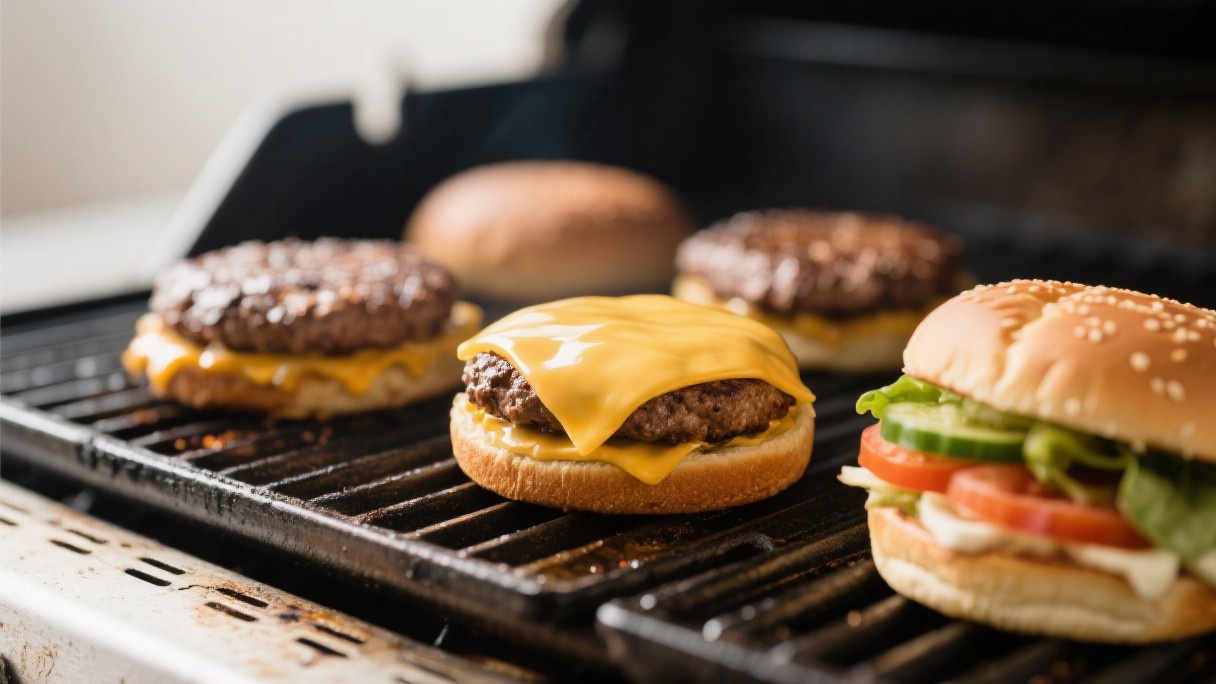
📷 Forming seasoned burger patties
Mix seasonings thoroughly but handle meat gently. Overmixing burgers creates tight, dense patties; gentle mixing keeps them tender. For meatballs, roll loosely—they firm up during cooking. Taste your seasoning blend before adding to meat; adjust to your palate.
Building a Custom Blend
Creating a signature ground meat seasoning blend begins with understanding the flavor profile of the dish. For burgers, a simple combination of salt, pepper, garlic powder, and a touch of smoked paprika enhances the beef without masking its natural flavor. For meatballs, adding dried oregano, basil, and Parmesan cheese creates an Italian-inspired profile. For tacos, ground cumin, chili powder, and coriander provide the essential Mexican flavors.
The key principle is to start with a base of salt and pepper, then layer in two to three complementary spices that support the overall dish.
The Role of Fat Content
Fat content in ground meat matters in both flavor and texture. Ground beef with eighty percent lean meat and twenty percent fat produces the juiciest, most flavorful burgers and meatballs. Leaner ratios: ninety-ten, tend to produce dry, crumbly results unless additional moisture is added through ingredients like grated onion, soaked breadcrumbs, or a small amount of heavy cream.
When working with ground poultry, which is naturally lean, incorporating olive oil, mayonnaise, or a small amount of ground pork fat can dramatically improve the final texture and mouthfeel.
Global Seasoning Traditions
Ground meat seasoning traditions vary dramatically across the world's cuisines, each reflecting local ingredient availability and cultural preferences. Japanese hamburger steak, or hanbagu, uses panko breadcrumbs, grated onion, and a soy-based sauce for a uniquely Japanese take on the burger. Swedish meatballs rely on allspice, nutmeg, and cardamom for warmth that distinguishes them from Italian or American versions. Mexican picadillo seasoning combines cumin, oregano, and cloves for a complex, aromatic filling used in tacos and empanadas.
Exploring these global traditions provides inspiration for creating original seasoning blends that bring international flavors to everyday ground meat dishes.
Mixing and Handling Techniques
How ground meat is mixed and handled directly affects the final texture. Over-mixing develops the myosin proteins, creating a dense, sausage-like texture that is undesirable in burgers and meatballs. The ingredients should be folded together gently until just combined, handling the meat as little as possible. Wet hands prevent sticking when forming patties or balls. For burgers, making a small indentation in the center of each patty prevents the classic puffing problem where the edges expand more than the center.
Forming the meat into balls or patties and refrigerating for thirty minutes before cooking helps them hold their shape during the cooking process.
Cooking Temperature and Methods
Ground meat requires careful attention to cooking temperature for both safety and quality. The USDA recommends an internal temperature of 160 degrees Fahrenheit for ground beef, pork, and lamb, and 165 degrees for ground poultry. A meat thermometer inserted into the thickest part provides the most accurate reading. For burgers, a hot cast iron skillet or grill creates the best sear, while a flatter cooking surface like a griddle ensures even contact.
For meatballs, a combination of pan-searing and simmering in sauce produces the most flavorful and tender results. Resting ground meat dishes for a few minutes after cooking allows the juices to redistribute.
Ground Meat Tips
Handle ground meat as little as possible when forming patties or meatballs. Overworking creates dense, tough results. Gentle handling preserves the tender texture.
Keep your ingredients fresh and your workspace organized before you begin. Preparation matters more than fancy tools or expensive components. When everything is measured and within reach, the actual cooking becomes enjoyable rather than frantic, and the results show in every bite.