Why You Feel Bloated Starting a Plant-Based Diet And How To Fix It
Nutrition
|
February 13, 2026
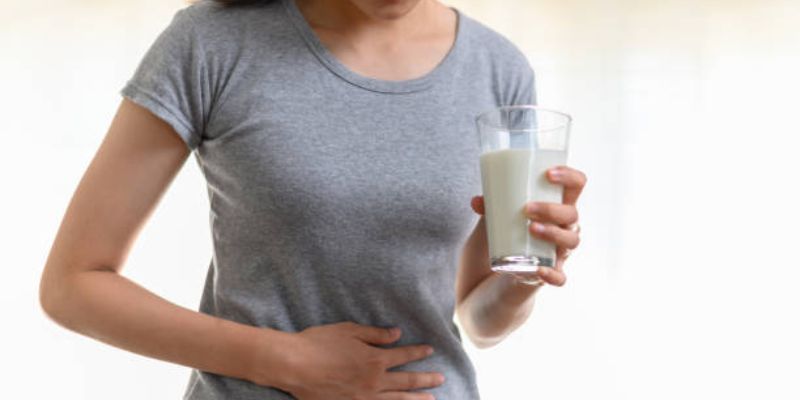
Switching to a plant-based diet and waking up feeling like you swallowed a basketball is not uncommon. It happens to most people, and it catches nearly everyone off guard.
The bloating is real, sometimes painful, and almost always preventable once you understand what is actually causing it.
1.Your Fiber Intake Jumped Too Fast
The average American eats roughly 15 grams of fiber per day, less than half the recommended amount. A plant-based diet can push that number to 40 or even 50 grams almost overnight. Your gut bacteria are not equipped to handle that volume yet. They begin fermenting the excess fiber in your large intestine, producing gas as a byproduct. The result is bloating, pressure, and many uncomfortable moments.
The fix is not to eat less fiber. It is to increase it gradually, adding one high-fiber food at a time over several weeks rather than switching everything at once.
2.Oligosaccharides In Legumes Are Hard To Break Down
Beans, lentils, chickpeas, and split peas are central to most plant-based diets, and they all contain oligosaccharides, a class of carbohydrates that the human body cannot fully digest. These compounds pass into the large intestine largely intact, where gut bacteria ferment them, generating significant amounts of gas. This is the single most reported cause of bloating among new plant-based eaters.
Soaking dried legumes for 8 to 12 hours and discarding the water before cooking removes a meaningful portion of these compounds. Thoroughly rinsing canned beans reduces the effect by about 25-30%. Neither step eliminates the issue, but both make a noticeable difference in how you feel after a meal.
3. Cruciferous Vegetables Contain Raffinose
Broccoli, cauliflower, Brussels sprouts, cabbage, and kale are nutritional powerhouses, but they contain raffinose, a trisaccharide that behaves like an oligosaccharide in the digestive tract. Humans lack the enzyme needed to break down raffinose before it reaches the colon, so gut bacteria take over, producing gas.
Raw cruciferous vegetables are significantly more problematic than cooked ones. Cooking breaks down cell walls and partially deactivates some of the fermentable compounds, making the same vegetables much easier to process. If you are eating large raw salads built around kale or broccoli and wondering why you are bloated, this is likely the reason.
4. Your Gut Microbiome Has Not Adapted Yet
Research on gut microbiome adaptation [1] consistently shows that the microbial population in your digestive tract shifts in response to dietary changes, but that process takes time. Most studies suggest that meaningful adaptation begins within 2 to 4 weeks of sustained dietary change. During that window, the bacteria needed to ferment plant fiber efficiently are still underrepresented in your gut, which means more unprocessed fermentation and more gas.
This is a temporary state, not a permanent condition. The discomfort does ease as your microbiome diversifies and builds more of the enzyme-producing bacteria suited to a high-fiber plant-based diet.
5.You Are Eating More Fructose Than Usual
Fruit intake typically increases significantly on a plant-based diet, and with it comes fructose. Apples, pears, mangoes, watermelon, and dried fruits like dates and raisins are all high in fructose, which a notable portion of the population absorbs poorly. When fructose is not fully absorbed in the small intestine, it travels to the large intestine, where it feeds bacteria that produce hydrogen and carbon dioxide.
This is not a reason to avoid fruit. It is a reason to moderate portion sizes and avoid eating large quantities of high-fructose fruits in one sitting, particularly if you are already eating a fiber-heavy meal at the same time.
6.Processed Plant-Based Foods Contain Hidden Fermentable Ingredients
This one surprises a lot of people. Vegan meat substitutes, plant-based protein bars, and dairy-free yogurts often contain inulin, chicory root fiber, or pea protein isolate, all of which are highly fermentable. These ingredients are added to boost fiber content or improve texture, but for people with a gut microbiome still adjusting to a plant-based diet, they can cause more bloating than a bowl of beans.
Inulin and chicory root [2] in particular are classified as prebiotics, meaning they actively feed gut bacteria. That sounds beneficial, and over time it is, but during early dietary transitions, introducing large amounts of prebiotic fiber through processed foods before your gut is ready can make bloating significantly worse.
7.You Are Not Drinking Enough Water
Fiber absorbs water. When you substantially increase your fiber intake without increasing fluid consumption proportionally, that fiber slows down in your gut rather than moving through efficiently. The result is fermentation that lingers longer than it should, more gas production, and a feeling of heaviness that lasts well past mealtime.
A practical target on a plant-based diet is 2 to 2.5 liters of water daily, and more if you are physically active. Herbal teas, particularly ginger and peppermint, also support digestion and can help reduce bloating after meals with minimal effort.
8.You Swallowed More Air Than You Realized
Eating quickly, drinking through straws, and consuming carbonated beverages all introduce extra air into the digestive tract, which adds to bloating on top of any gas produced internally. This sounds minor, but it compounds an already difficult transition period.
Slowing down while eating, chewing more thoroughly, and cutting back on sparkling water during the first few weeks can meaningfully reduce this variable.

9.Raw Food Volumes Are Too High
Many people new to a plant-based diet overload on raw foods, partly because they are marketed that way and partly because cooking everything takes time.
Raw foods are not bad, but they require significantly more digestive effort. Enzymes in your gut have to work harder to break down uncooked plant cell walls, and if your digestive system is already under strain from a sudden increase in fiber, the volume of raw food adds to the problem.
Steaming, roasting, or lightly sauteing your vegetables during the transition period is not a compromise on nutrition. It is a practical strategy that reduces digestive load while your gut microbiome adjusts to a plant-based diet.
10.Your Digestive Enzyme Production Has Not Caught Up
Your body produces digestive enzymes in response to the foods you eat consistently. When you change your diet dramatically, enzyme production lags.
Digestive enzyme supplementation [3] has been studied as a short-term intervention for exactly this scenario. Products containing alpha-galactosidase, the enzyme that breaks down oligosaccharides, such as Beano, are particularly useful for legume-heavy meals.
Broader enzyme blends containing amylase, protease, and lipase, available from brands like NOW Foods and Garden of Life in the $15 to $35 range per month, can support general digestion during the transition. These are not permanent needs for most people, but during the first four to six weeks on a plant-based diet, they take enough pressure off the system to make the experience considerably more manageable.
Getting Through It Without Quitting
The bloating that comes with starting a plant-based diet is not a signal that this way of eating is wrong for you. It is a signal that your gut needs time and strategy. Slow down the transition, cook more of your vegetables, soak your legumes, drink more water, watch the processed products, and consider digestive enzyme support during the first month.
Most people who apply even a few of these adjustments report a significant reduction in bloating within two to three weeks. Give your digestive system the runway it needs. The discomfort is temporary, and what is on the other side of it, a well-adapted gut handling a plant-based diet with ease, is genuinely worth the short-term effort. Start with one change today, not ten, and build from there.
References
[1] National Institutes of Health – https://www.nih.gov
[2] Harvard T.H. Chan School of Public Health – https://www.hsph.harvard.edu
[3] National Center for Complementary and Integrative Health – https://www.nccih.nih.gov