Homemade Kombucha Brewing Guide: From SCOBY to Delicious Fermented Tea
Beverage
|
March 4, 2026
Learning to make Kombucha Brewing Guide at home is one of the most satisfying culinary projects you can undertake. The process connects you to centuries of tradition while giving you room to develop your own style. Each attempt teaches you something new about ingredients, timing, and technique, building confidence with every batch.
First Fermentation Timeline
Kombucha transforms sweetened tea through a two-phase fermentation. First, the SCOBY consumes sugar and caffeine while producing organic acids, enzymes, and probiotics. Then, a second fermentation in sealed bottles with added flavors creates carbonation. This produces a tangy, effervescent, and allegedly beneficial for gut health—though the jury remains out on some claims.
The SCOBY: Your Living Partner
You need a SCOBY to start, which can be sourced from a friend, purchased online, or grown from store-bought kombucha. Handle with clean hands and non-metal utensils—the acid can react with metal. The SCOBY will grow a new layer with each batch; you can share with friends or compost the extras.
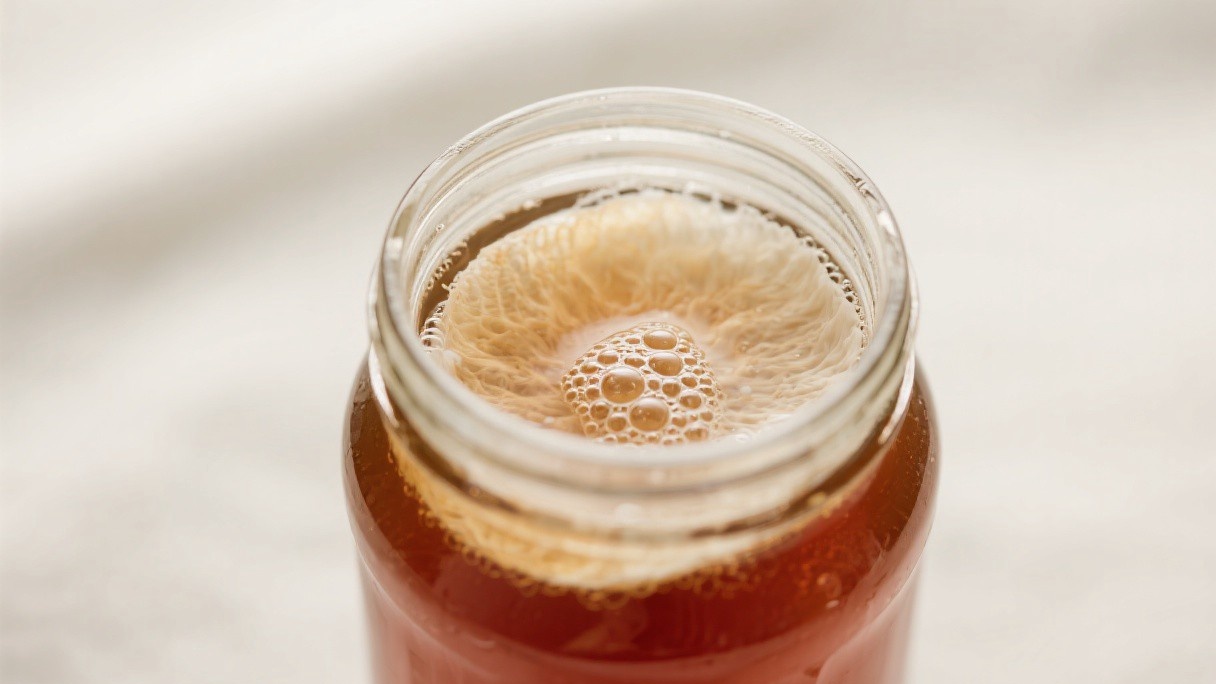
📷 Kombucha brewing setup
First Fermentation
Brew 1 gallon of tea using 5-7 tea bags (black or green work well; avoid tea with oils), steep, dissolve 1 cup of sugar, and cool completely. Transfer to a glass vessel, add your SCOBY and 1 cup of starter liquid (from previous batch or store-bought plain kombucha). Cover with breathable cloth and let ferment 7-14 days, depending on temperature and taste preference.
Second Fermentation and Flavoring
Bottle the kombucha, leaving 1-2 inches of headspace. Add flavoring: fruit puree, juice, ginger, herbs—get creative. Seal tightly and let carbonate for 2-3 days at room temperature. Refrigerate to stop fermentation and enjoy carbonated kombucha straight from the bottle.
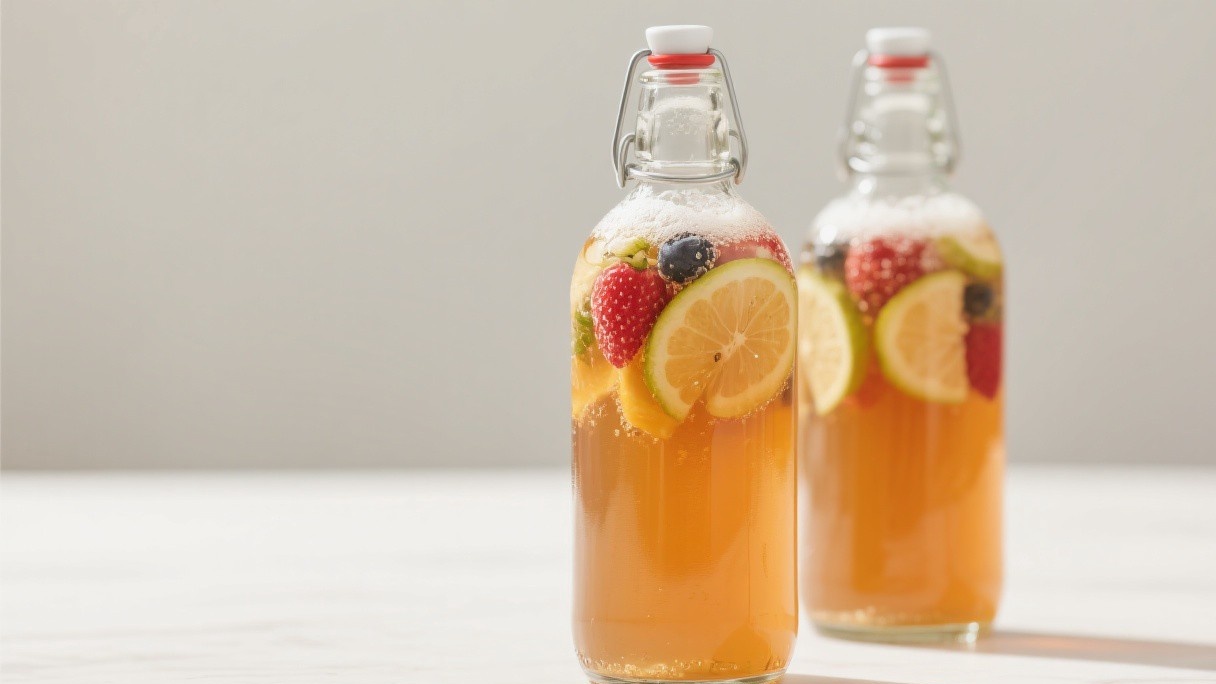
📷 Kombucha in flip-top bottles
Brewing kombucha connects you to an ancient tradition of fermented beverages while allowing modern creativity in flavors. The process rewards patience and attention, producing a beverage far superior to commercial versions.
Flavor Experiments
After mastering the basic brew, I began second fermentations with fruits and herbs. Ginger and turmeric created a spicy, warming drink. Berries added color and sweetness. Each batch became a creative outlet, a chance to experiment with new combinations.
Sharing My Culture
I've given away countless SCOBYs to friends interested in brewing. Teaching others has reinforced my own knowledge, forcing me to explain processes I once performed instinctively. The kombucha community is generous and supportive, always ready with advice for troubleshooting.
Flavoring Your Second Ferment
The second fermentation is where kombucha truly becomes your own creation. After removing the SCOBY, add fruits, herbs, or spices to the brewed tea and seal in swing-top bottles. Strawberries and basil create a refreshing summer blend, while ginger and lemon produce a zesty, warming combination. Blueberries add a beautiful color and mild sweetness.
The key is to use approximately one-quarter cup of fresh fruit or fruit juice per 16-ounce bottle and allow three to five days of carbonation at room temperature.
Recognizing Healthy Fermentation
A healthy SCOBY should appear smooth, creamy, and slightly translucent with a mild vinegar aroma. Brown stringy particles floating beneath the SCOBY are normal yeast colonies and indicate active fermentation. Green or black mold, alternatively, signals contamination and means the entire batch should be discarded. I always keep a backup SCOBY in hotel solution (strong brewed sweet tea) in the refrigerator, which provides peace of mind and ensures I never lose my brewing culture to an unexpected problem.
Secondary Fermentation Safety
The second fermentation of kombucha, while generally safe, requires attention to a few important safety considerations. Always use bottles designed for carbonation: swing-top glass bottles, to prevent explosion from excessive pressure buildup. Never fill bottles to the very top, leaving at least one inch of headspace for gas expansion. Burp the bottles daily during the first few days of fermentation by slightly opening the cap to release excess pressure.
If a bottle feels extremely firm to the touch, open it carefully over a sink. These precautions ensure a safe and enjoyable carbonated kombucha experience.
Kombucha Flavor Combinations
The range of possible kombucha flavors is virtually limitless, limited only by imagination and seasonal availability. Classic combinations include strawberry basil, ginger lemon, and blueberry mint. More adventurous options like lavender vanilla, hibiscus rose, and jalapeno watermelon have gained popularity among home brewers. Fruit purees, fresh herbs, spices, and even tea blends can be used to flavor the second fermentation. The key is to start with small quantities and taste frequently, as flavors concentrate during the carbonation process.
Keeping a flavor journal helps replicate successful combinations and avoid repeating less appealing experiments.
Health Considerations and Moderation
While kombucha is often promoted for its probiotic and health benefits, consume it in moderation and be aware of individual sensitivities. The tea contains trace amounts of alcohol from fermentation, typically between 0.5% and 1.5%, which may be a concern for some individuals. The acidity of kombucha can affect tooth enamel, so drinking it through a straw or rinsing with water afterward is recommended. People with compromised immune systems should consult a healthcare provider before consuming unpasteurized fermented foods.
Enjoying kombucha as one component of a varied, balanced diet maximizes its potential benefits.
Keep your ingredients fresh and your workspace organized before you begin. Preparation matters more than fancy tools or expensive components. When everything is measured and within reach, the actual cooking becomes enjoyable rather than frantic, and the results show in every bite.