Indian Lassi: Yogurt-Based Drinks Sweet and Savory
Beverage
|
March 24, 2026
Understanding Indian Lassi opens up a world of culinary possibilities that most home cooks never explore. The difference between average results and exceptional ones comes down to a handful of key techniques, the right ingredients, and a willingness to practice. This guide covers everything you need to know to get started and improve with each attempt.
The Yogurt Base: Whole Milk and Homemade
The best lassi starts with whole-milk yogurt that is thick, tangy, and not too sour. I make my own yogurt by heating 1 liter of whole milk to 90 degrees Celsius, holding it at that temperature for 10 minutes to denature the whey proteins, then cooling it to 43 degrees Celsius and stirring in 2 tablespoons of plain yogurt from a previous batch as a starter.
The milk incubates at 43 degrees for 6 to 8 hours until it sets into a firm, slightly jiggly curd. Homemade yogurt has a cleaner, more complex flavor than commercial yogurt, which often contains stabilizers and thickeners that affect the texture of the finished lassi. If I must use store-bought yogurt, I choose a plain, whole-milk variety without added sugar or gelatin.
Mango Lassi: Fruit Selection and Sweetness
Mango lassi is the most internationally recognized version, and its quality depends almost entirely on the mangoes used. I use Alphonso mangoes when they are in season, which are available from April through June. For each serving, I blend 150 grams of mango pulp with 200 grams of yogurt, 100 milliliters of cold water, and 2 tablespoons of sugar. If fresh Alphonso mangoes are unavailable, I use canned Alphonso pulp, which is a reliable substitute.
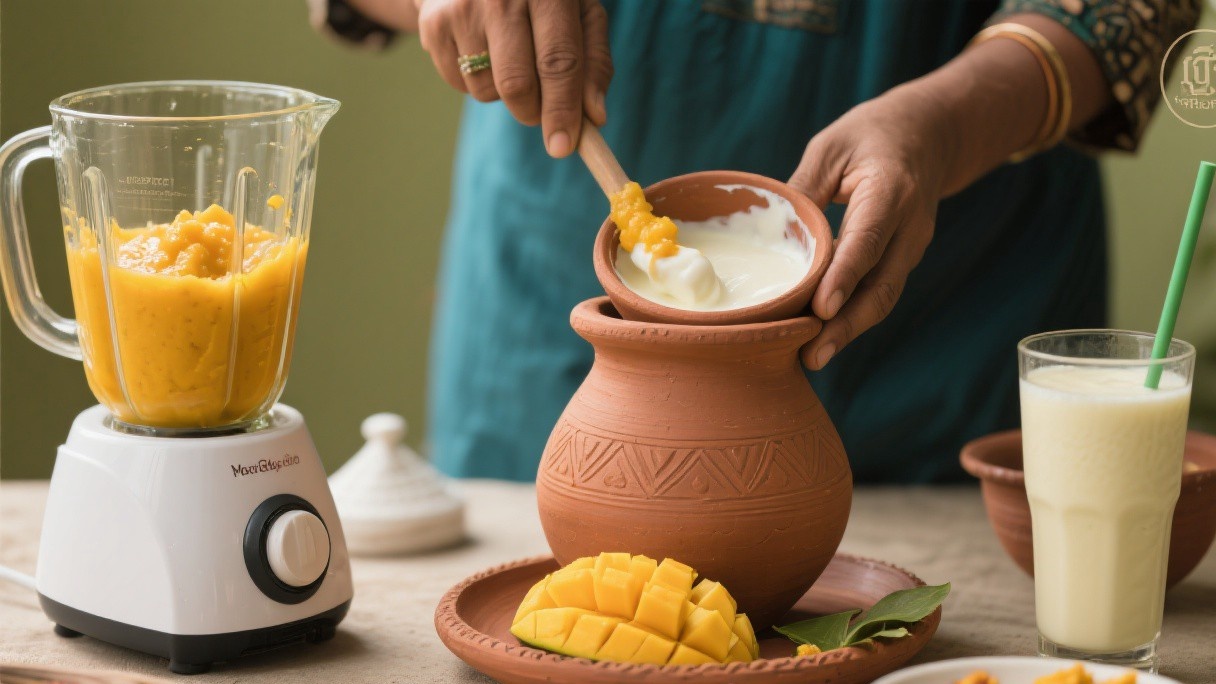
I avoid using Tommy Atkins or other fibrous, less sweet varieties, because they produce a lassi that is grainy and lacks the intense, floral sweetness that defines the drink. The sugar should be adjusted based on the sweetness of the fruit; very ripe Alphonso mangoes may need only 1 tablespoon.
Savory Salt Lassi with Cumin
The savory version, called namkeen lassi or simply salt lassi, is the form most commonly consumed with meals in India. I blend 200 grams of yogurt with 150 milliliters of cold water, half a teaspoon of roasted cumin powder, a quarter teaspoon of salt, and a pinch of black pepper. The cumin should be dry-roasted in a skillet for about 2 minutes until fragrant, then ground to a fine powder.
Some variations include a small clove of garlic or a slice of fresh ginger blended into the mixture, which adds a sharp, pungent quality that is particularly refreshing in hot weather. I serve salt lassi in a tall glass with a sprinkle of cumin powder on top and a sprig of fresh mint. The drink should be well blended but not frothy; over-blending incorporates too much air and makes the texture light and insubstantial.
Cardamom and Rose Water Variations
In Rajasthan and Gujarat, lassi is often flavored with cardamom and rose water, which give it a distinctly floral and aromatic character. I add 4 green cardamom pods, crushed to release the seeds, and 1 teaspoon of rose water to the basic sweet lassi recipe. The cardamom should be ground fresh from whole pods rather than using pre-ground cardamom, which loses its potency quickly.
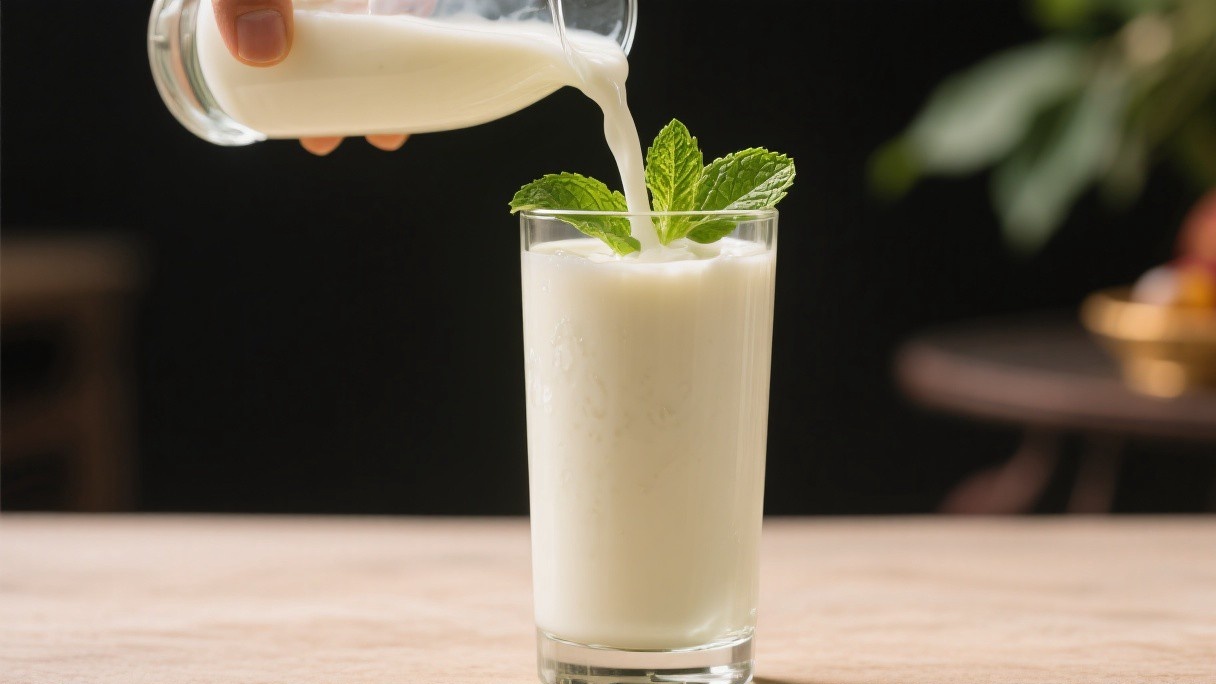
Saffron is another traditional addition; I steep 5 to 6 threads in 1 tablespoon of warm milk for 10 minutes and add the saffron milk to the blender along with the other ingredients. These variations are typically served at celebrations and festivals, and the aromatic spices give the drink a richness that elevates it from a simple beverage to something closer to a dessert.
Blending Technique and Temperature
I blend lassi in a conventional blender on medium speed for 20 to 30 seconds, which is long enough to combine the ingredients smoothly but short enough to avoid incorporating excessive air. The finished lassi should be thick enough to coat the back of a spoon but thin enough to drink through a straw. I serve it immediately over ice or well chilled from the refrigerator.
Lassi does not keep well for more than a few hours after blending, because the yogurt continues to ferment and the flavor becomes progressively more sour. I prepare it no more than 30 minutes before serving and store it in the refrigerator until it is needed. The ideal serving temperature is between 4 and 7 degrees Celsius, which is cold enough to be refreshing but not so cold that the flavors are muted.
Pisco Sour Variations and Regional Styles
Beyond the classic pisco sour, several variations have emerged that showcase different aspects of pisco. A pisco sour made with quebranta pisco, which is made from the quebranta grape, has a more earthy, mineral character than one made with the aromatic Italia or Torontel grape varieties. A pisco sour de lucuma, made with the addition of lucuma fruit puree, has a subtle maple-like sweetness that is popular in Peru during the winter months.
I have also made a chocolate pisco sour by adding 15 milliliters of cocoa liqueur to the standard recipe, which produces a drink with a bittersweet complexity. The pisco sour is also the basis for the pisco punch, a larger-format cocktail that adds pineapple juice and simple syrup. Regardless of the variation, the egg white foam and the bitters on top remain constant, serving as the visual and textural signature of the drink.
Set realistic expectations for your first attempt and focus on learning rather than perfection. The techniques described here are forgiving by nature, so even missteps produce edible results. With each repetition, your timing improves, your palate sharpens, and your confidence grows.