Mexican Agua Fresca: Fresh Fruit Water Recipes for Summer
Beverage
|
March 17, 2026
Understanding Mexican Agua Fresca opens up a world of culinary possibilities that most home cooks never explore. The difference between average results and exceptional ones comes down to a handful of key techniques, the right ingredients, and a willingness to practice. This guide covers everything you need to know to get started and improve with each attempt.
Watermelon Agua Fresca: The Classic Standard
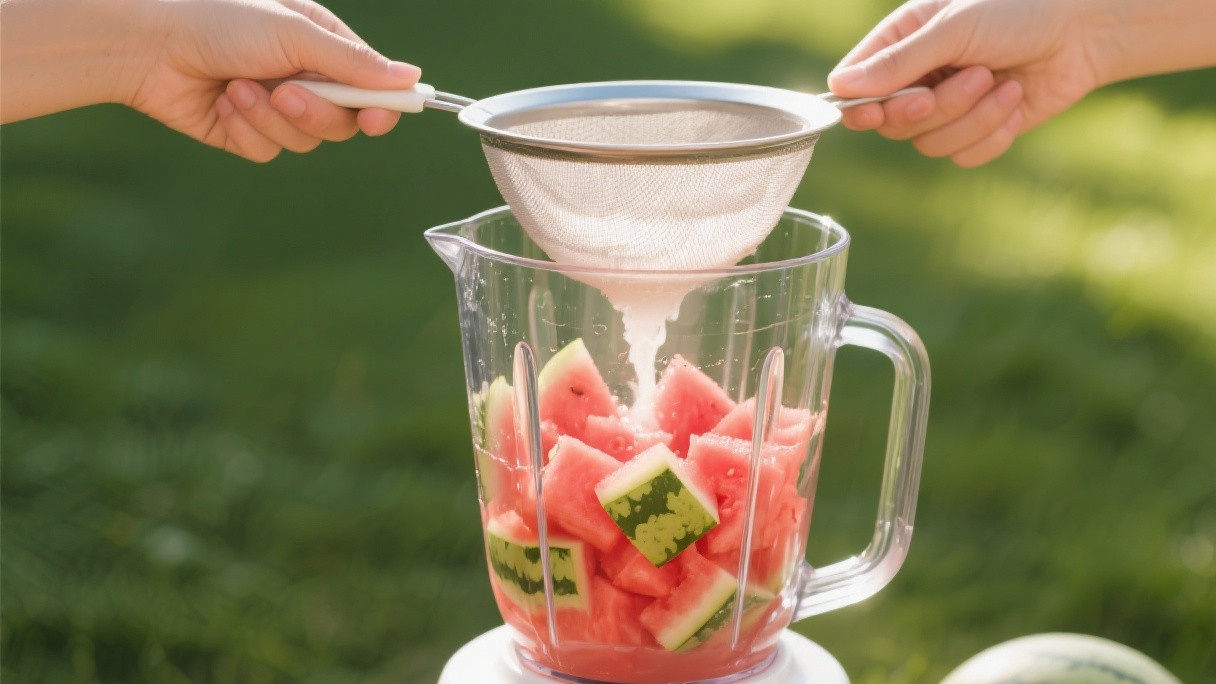
Watermelon agua fresca is the most widely consumed version in Mexico, and it is the one I make most frequently at home. I use about 1.5 kilograms of seeded watermelon, cut into chunks, which yields roughly 1 liter of juice after blending and straining. The watermelon goes into a blender in batches and is pureed until completely smooth, then strained through a medium-mesh sieve to remove the pulp.
I do not strain too finely; a small amount of pulp gives the drink body and a more natural mouthfeel. To the strained juice, I add 1 liter of cold water and 3 tablespoons of sugar, adjusting based on the sweetness of the fruit. A pinch of salt, no more than an eighth of a teaspoon, enhances the watermelon flavor and makes the drink more thirst-quenching. I serve it over ice with a squeeze of lime juice.
Cucumber and Lime Agua Fresca
Cucumber agua fresca is lighter and more savory than the fruit-based versions, and I find it particularly refreshing after exercise or on an extremely hot afternoon. I peel and roughly chop 3 large English cucumbers, blend them until smooth, and strain the liquid through a fine-mesh sieve. Cucumbers produce more water than expected, and 3 cucumbers yield about 800 milliliters of liquid. I add 600 milliliters of cold water, the juice of 3 limes, and 2 tablespoons of agave syrup.
A few sprigs of fresh mint blended with the cucumber adds a cool, aromatic quality. The drink should be pale green, slightly cloudy, and served immediately over ice. It does not keep well for more than a few hours because the cucumber flavor becomes muted and the liquid can separate.
Hibiscus Agua de Jamaica
Agua de Jamaica is made from dried hibiscus flowers, known as jamaica in Mexico, and it has a tart, cranberry-like flavor that is naturally caffeine-free. I use 50 grams of dried hibiscus flowers, which I rinse briefly under cold water to remove any dust. The flowers go into a pot with 1 liter of water, which I bring to a boil and then remove from the heat.
I let them steep for 30 minutes, then strain the liquid through a fine-mesh sieve. The resulting infusion is deep ruby red and quite tart. I add 100 grams of sugar while the liquid is still warm, which dissolves the sugar completely, then dilute with another liter of cold water. The final drink should be sweet-tart, like a mild cranberry juice. I chill it thoroughly before serving over ice.
Cantaloupe and Chile Variation
In some regions of Mexico, particularly in the central highlands, agua fresca is served with a rim of chile-lime salt and a pinch of chamoy, a salty-sour condiment made from pickled fruit. I apply this treatment to cantaloupe agua fresca, which has a natural sweetness that pairs well with the salty-spicy rim. I blend 1 kilogram of ripe cantaloupe chunks, strain the juice, and dilute it with 700 milliliters of water and 2 tablespoons of sugar.
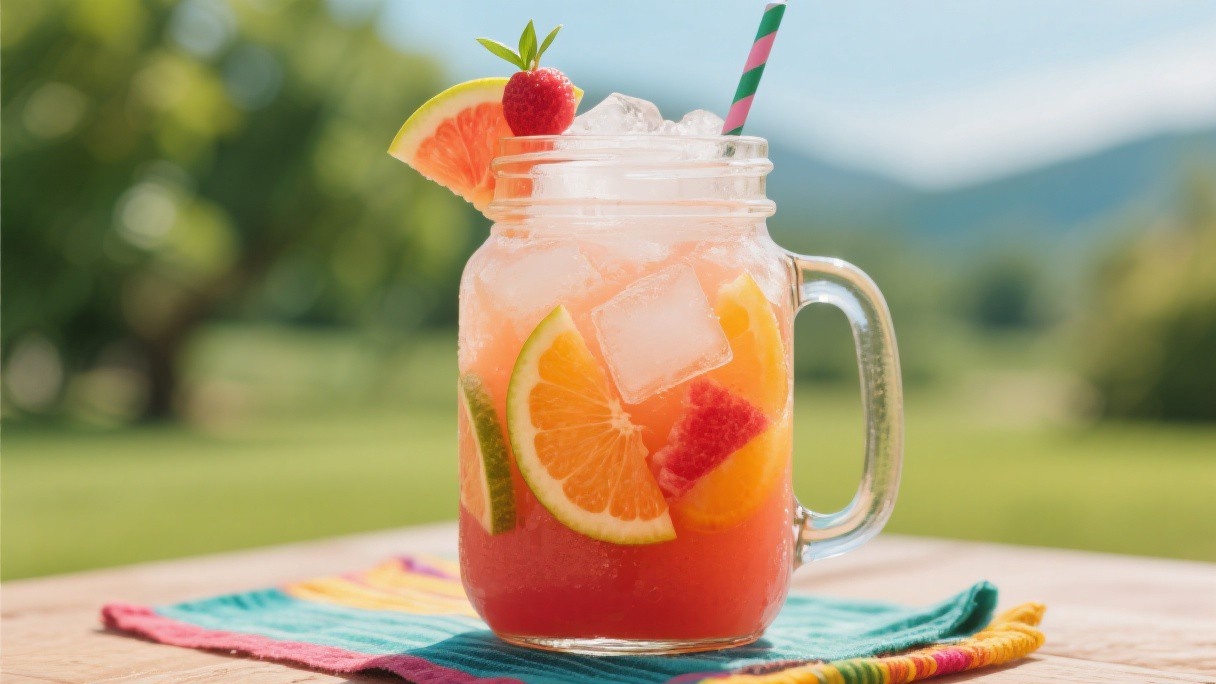
For the rim, I mix 1 tablespoon of Tajin chile-lime seasoning with 1 tablespoon of coarse salt on a small plate, wet the rim of each glass with a lime wedge, and press it into the mixture. A tablespoon of chamoy swirled into the bottom of each glass before pouring adds a tart, fruity complexity.
Storage and Serving Tips
Fruit-based aguas frescas are best consumed within 4 to 6 hours of preparation. After that, the fruit flavors begin to oxidize and fade, and the liquid can develop a flat taste. I store them in glass pitchers in the refrigerator, covered with plastic wrap, and stir well before serving because the solids tend to settle at the bottom. Agua de Jamaica keeps longer, up to 3 days refrigerated, because the hibiscus flowers are more stable than fresh fruit.
For parties, I prepare the fruit bases in advance and add the water and sweetener just before serving, which maximizes freshness. The vitrolero jars used in Mexico are not just decorative; their narrow necks reduce the surface area exposed to air and help maintain flavor.
Do not let the length of these instructions intimidate you. Break the process into stages, tackle one at a time, and soon the entire workflow will feel natural. The investment of time and attention pays dividends every single time you serve the finished dish.
Experimenting with different fruit combinations keeps agua fresca exciting throughout the year. Watermelon and cucumber make a particularly refreshing summer blend, while hibiscus and lime create a tart, ruby-red drink that pairs well with spicy food. The beauty of agua fresca lies in its simplicity: no special equipment, no cooking, and no artificial ingredients.
The best agua fresca comes from ripe, in-season fruit, so let the farmers market guide your choices. Blend a large batch on Sunday and keep it in glass jars in the refrigerator for easy access throughout the week. It is a simple habit that replaces sugary sodas with something far more refreshing and wholesome.
Agua fresca is one of the easiest beverages to make at home, and the possibilities are nearly endless. Use whatever fruit is in season, adjust the sweetness to your preference, and keep a pitcher in the refrigerator for a refreshing drink any time of day.