Traditional Matcha Preparation Methods: The Art of Japanese Green Tea
Beverage
|
March 5, 2026
There is a reason Matcha Preparation Methods has endured as a beloved tradition across cultures. When done right, the results far surpass anything store-bought or restaurant-made. The secret lies in understanding a few core principles and applying them consistently. With the right approach, you can achieve professional-quality results in your own kitchen.
The Tools of Preparation
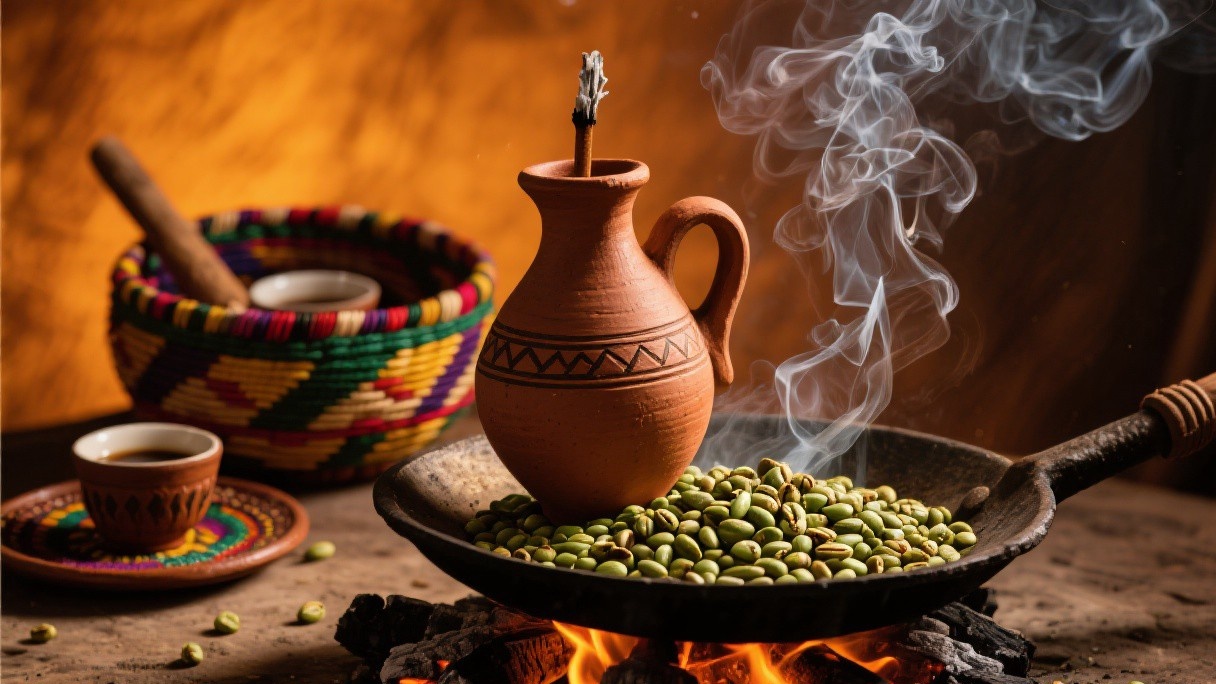
Traditional matcha requires specific tools: a chawan (tea bowl), a chasen (bamboo whisk), and a chashaku (bamboo scoop). While not strictly necessary, these tools honor the tradition and produce better results. The chasen's tines create the froth essential to proper matcha, and quality whisks last years with proper care.
📷 Matcha tea ceremony setup
Water Temperature Critical
Matcha is sensitive to water temperature—too hot and it becomes bitter and astringent, too cool and it won't dissolve properly. The ideal range is 160-175°F for traditional usucha (thin) matcha, and slightly cooler (140-160°F) for koicha (thick) matcha. Let boiled water cool in the kettle with lid open for the right temperature.
The Whisking Technique
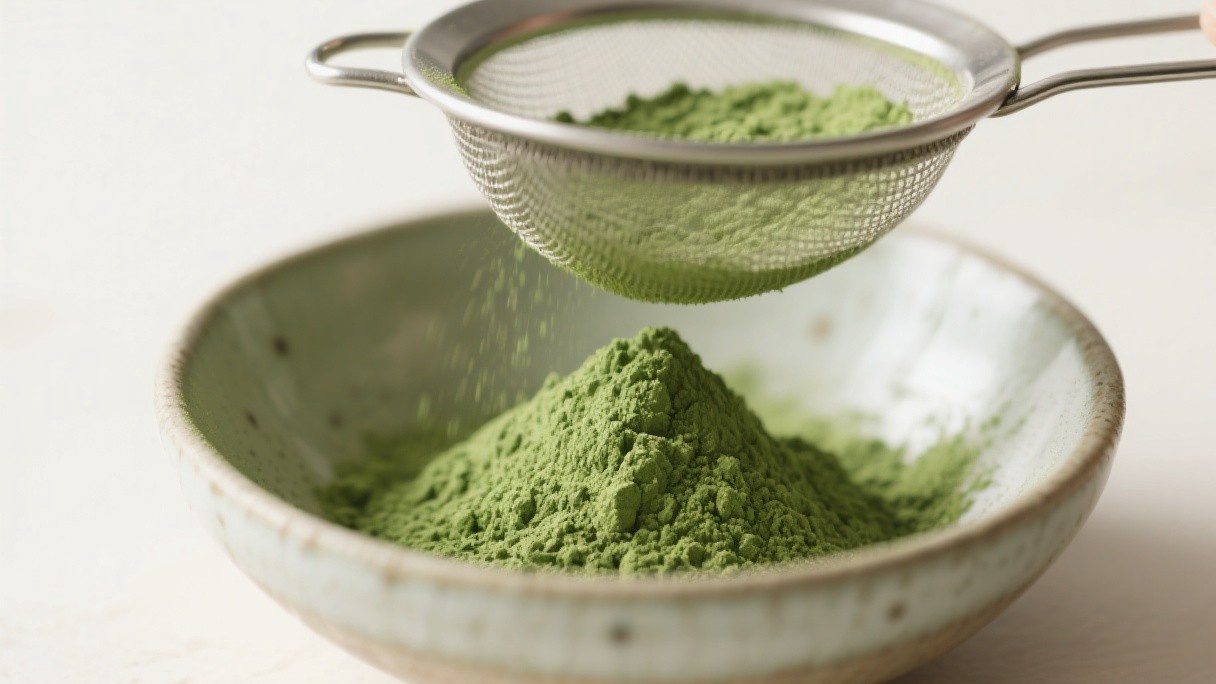
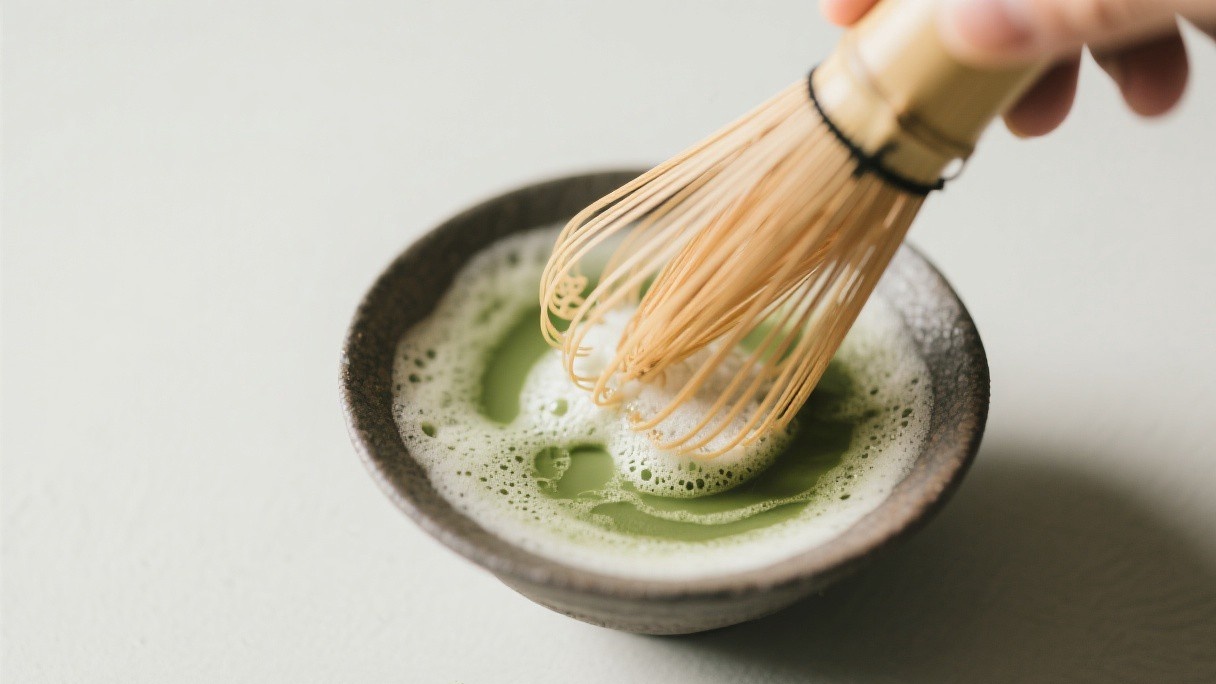
Sift matcha into the bowl to remove clumps. Add hot water (correct temperature!) and whisk rapidly in a zigzag M or W motion, keeping your wrist flexible. The goal is to create a layer of fine, stable foam on top. With proper technique and quality matcha, the foam should last several minutes. Skipping the foam means drinking gritty matcha—not wrong, but missing the full experience.
📷 Whisking matcha tea
Whether preparing matcha in full ceremony or a quick morning cup, the process invites presence and attention. In our rushed world, that intentional pause makes matcha more than a caffeine delivery system—it becomes a small but meaningful act of mindfulness.
Daily Practice
Preparing matcha has become a meditation. The whisking motion, the gradual frothing, the careful temperature control—each step requires presence. This mindfulness has spilled into other areas of my life, a unexpected benefit of tea practice.
Quality Indicators
I learned to identify good matcha by color—vibrant green, not dull or yellowish. The aroma should be fresh and grassy, not stale. These indicators help me choose quality products, avoiding the bitter, astringent powders that give matcha a bad name.
Not all matcha is created equal. Ceremonial grade matcha, made from the youngest tea leaves shade-grown for several weeks before harvest, produces a vibrant green color and a naturally sweet, umami-rich flavor with minimal bitterness. Culinary grade matcha, from older leaves, is more astringent and better suited for lattes and baking. I keep both grades on hand, reserving the ceremonial grade for traditional whisked preparations and using the culinary grade for matcha cookies, ice cream, and smoothies where the subtler notes would be lost.Traditional Preparation Tools
I have found that a proper chasen (bamboo whisk) is irreplaceable for creating the characteristic frothy layer on whisked matcha. The fine tines, typically 80 to 120 prongs, create aeration that a metal whisk or fork simply cannot replicate. I use a chashaku (bamboo scoop) to measure the traditional serving of approximately two grams, though a kitchen scale provides more precision.
I also use a chawan (matcha bowl) with a wide base that allows room for the whisk to move freely. Sifting the matcha before adding water prevents lumps and ensures a smooth, even consistency.
Matcha in Cooking and Baking
Beyond the traditional whisked preparation, matcha has become a versatile ingredient in modern cooking and baking. Matcha cookies, with their distinctive green color and subtle earthy sweetness, have become a popular bakery item. Matcha cheesecake combines the creamy richness of cream cheese with the grassy notes of green tea. Matcha energy balls made with dates, oats, and coconut provide a convenient snack with a caffeine boost. Even savory applications exist, — matcha-dusted popcorn and matcha salt for rimming cocktail glasses.
The key in all applications is using the appropriate grade of matcha for the intended purpose.
Health Benefits of Matcha
Matcha offers significantly more health benefits than standard green tea because the entire tea leaf is consumed rather than just the steeped water. A single serving of matcha provides the antioxidant equivalent of ten cups of regular green tea. The L-theanine in matcha promotes a state of calm alertness, counteracting the jittery effects of caffeine and creating sustained focus. Matcha is also rich in chlorophyll, which supports detoxification, and catechins, which have been studied for their potential cancer-fighting properties.
These benefits, combined with its unique flavor profile, make matcha remarkably nutritionally concentrated beverages available.
Matcha Lattes and Modern Preparations
The matcha latte has become the most popular way to enjoy matcha outside of traditional Japanese tea ceremony. Sifting one to two grams of matcha into a bowl, adding a small amount of hot water, and whisking until smooth creates the concentrate. Steamed milk, either dairy or plant-based, is then poured over the concentrate. Oat milk has become the preferred non-dairy option due to its creamy texture and mild flavor.
Iced matcha lattes are equally popular, made by shaking the matcha concentrate with cold milk and ice. Sweetening with honey, agave, or vanilla syrup adjusts the bitterness to individual preference.
Set realistic expectations for your first attempt and focus on learning rather than perfection. The techniques described here are forgiving by nature, so even missteps produce edible results. With each repetition, your timing improves, your palate sharpens, and your confidence grows.