Classic Bread Pudding Variations: Transforming Simple Ingredients Into Comforting Desserts
Dessert
|
February 12, 2026
Learning to make Bread Pudding Variations at home is one of the most satisfying culinary projects you can undertake. The process connects you to centuries of tradition while giving you room to develop your own style. Each attempt teaches you something new about ingredients, timing, and technique, building confidence with every batch.
The Bread Selection
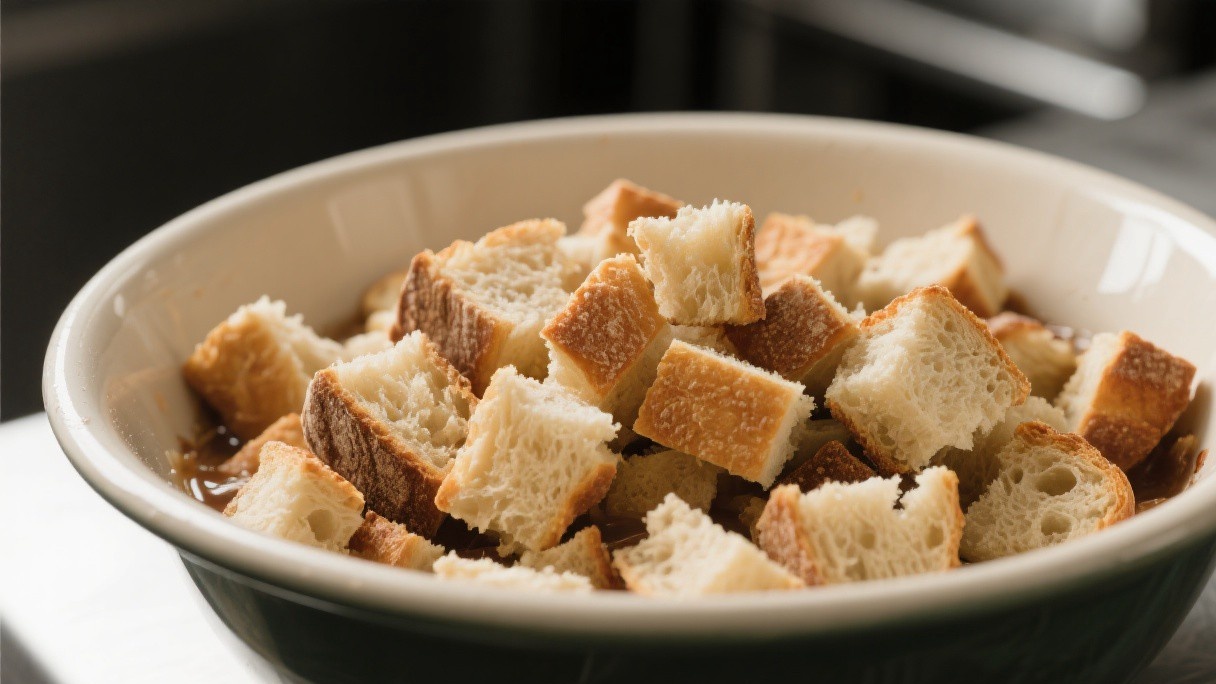
Day-old bread absorbs custard better than fresh. Challah and brioche create the richest, most custardy results. French bread provides classic texture. Even croissants work surprisingly well. Cut bread into 1-inch cubes and toast lightly if bread is very fresh—the drier it is, the more custard it drinks.
The Custard Ratio
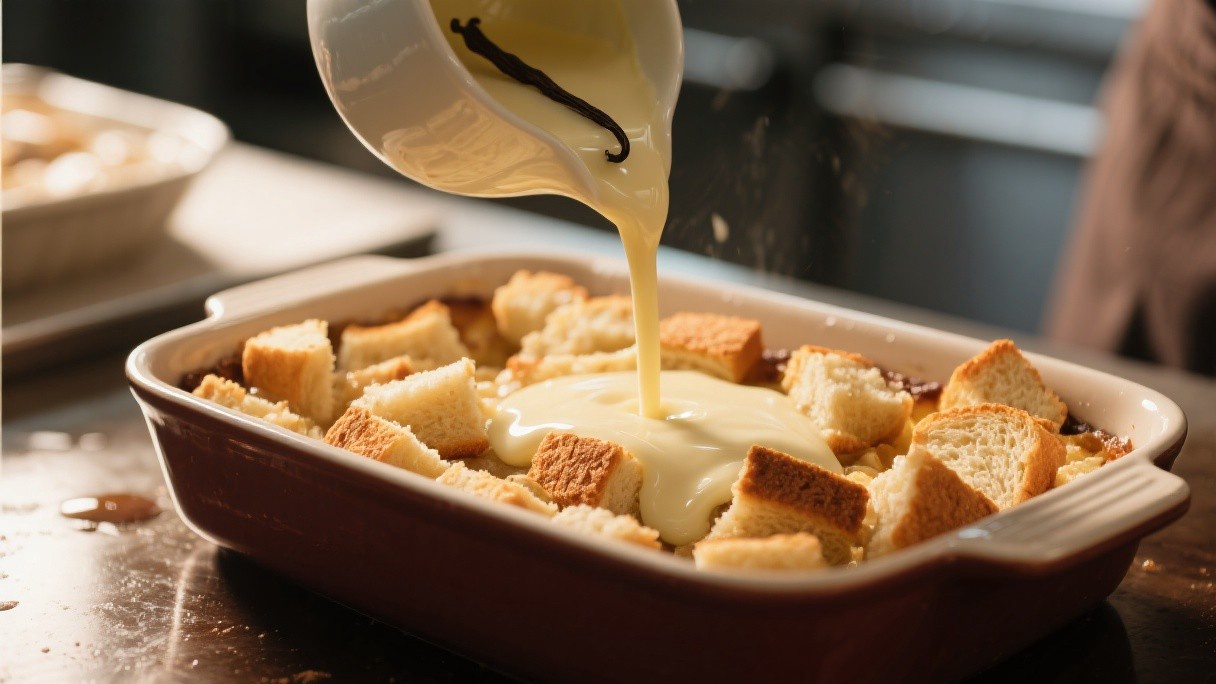
The ideal bread-to-custard ratio ensures pudding that's creamy inside without being soupy. Standard ratio: 4 cups bread to 2 cups custard (milk, cream, eggs, sugar, vanilla). Press bread into liquid and let soak 10-15 minutes before baking. Some dry spots are fine; they'll soften during cooking.
📷 Bread pudding with caramel sauce
Flavor Variations
Classic vanilla bread pudding accepts endless variations. Add chocolate chips or chopped baking chocolate for indulgence. Fold in dried fruits (raisins, cranberries, cherries) rehydrated in warm water. Stir in toasted nuts for crunch. Banana bread pudding with caramel sauce is transcendent. Apple cinnamon captures autumn. The combinations are limited only by imagination.
Sauce Pairings
Excellent sauce elevates bread pudding from good to extraordinary. Bourbon sauce (butter, sugar, cream, bourbon) pairs with classic vanilla. Caramel sauce suits banana or apple versions. Whiskey hard sauce traditions date centuries. Even quality vanilla ice cream works, though warm bread pudding deserves warm sauce.
📷 Bread pudding being scooped
Bread pudding rewards patience. Let it set 10 minutes after removing from oven; it slices cleanly and the flavors meld. Reheat individual portions in oven for that fresh-baked taste. This humble dessert proves that simplicity, executed well, rivals any fancy confection.
The Bread Selection
Different breads create different textures—challah, brioche, even croissants. Each creates a different texture and richness level. Day-old bread works best, having dried slightly to absorb more custard without becoming mushy.
Sauce Pairings
Several sauce recipes complement to accompany the bread pudding—bourbon caramel, vanilla crème anglaise, berry coulis. The right sauce elevates the dessert from simple to sophisticated.
Bread Selection and Preparation
The foundation of any bread pudding is the bread itself, and day-old or slightly stale bread produces the best results. Brioche, challah, and croissants offer rich, buttery bases that absorb the custard beautifully while maintaining some structural integrity. Dense artisan breads work well for more rustic versions. The bread should be cut into uniform cubes, approximately one inch in size, and allowed to dry uncovered for several hours or overnight.
This drying step ensures the bread absorbs the maximum amount of custard without collapsing into a soggy mass during baking.
Custard Ratios and Flavoring
The custard follows a fundamental ratio of four eggs to two cups of milk to one cup of cream for a standard nine-by-thirteen inch pan. Whole milk provides the best balance of richness and moisture, though heavy cream can be substituted for a more decadent result. Vanilla extract, cinnamon, nutmeg, and a pinch of salt are the essential flavorings.
For chocolate bread pudding, cocoa powder folded into the custard or chocolate chips folded into the bread cubes creates an indulgent variation. Raisins soaked in warm rum or bourbon for thirty minutes before adding provide plump, boozy pockets throughout.
Savory Bread Pudding Variations
While sweet bread pudding is the most common version, savory adaptations are equally impressive and make excellent brunch or dinner dishes. A savory bread pudding with sauteed spinach, Gruyere cheese, and caramelized onions serves as an elegant side dish or vegetarian main course. Adding diced ham, sun-dried tomatoes, and mozzarella creates an Italian-inspired version. A breakfast bread pudding with sausage, cheddar cheese, and maple syrup bridges the gap between sweet and savory.
These variations use the same fundamental custard ratio but replace the sugar and sweet spices with savory seasonings, herbs, and cheeses that transform the character of the dish entirely.
Bread Pudding for a Crowd
Bread pudding is remarkably scalable desserts, easily adapted to feed large groups without requiring special equipment or techniques. A standard half-sheet pan accommodates a triple batch that serves twenty to twenty-four people. The key to scaling is maintaining the same bread-to-custard ratio and ensuring the bread is evenly distributed and fully submerged. Baking time increases with larger pans, so a thermometer inserted into the center should read 160 degrees Fahrenheit to confirm doneness.
Serving from the pan directly, rather than portioning onto individual plates, creates a rustic, communal presentation that suits casual gatherings perfectly.
Bread Pudding Sauces and Accompaniments
A well-chosen sauce elevates bread pudding from a humble dessert to a memorable finale. Vanilla bean creme anglaise, a thin custard sauce, is the classic accompaniment that adds richness without overwhelming the bread pudding's own flavors. Bourbon caramel sauce adds warmth and sophistication, particularly for autumn and winter gatherings. A simple dusting of powdered sugar and a scoop of vanilla ice cream provides a clean, straightforward presentation.
For chocolate bread pudding, a warm chocolate ganache poured over the top creates an indulgent, restaurant-quality dessert. The sauce should be served warm for the best contrast with the bread pudding.
Once you have made this a few times, the process becomes meditative rather than stressful. You will start noticing small details, adjusting intuitively, and developing your own signature touches. That is when cooking stops being a chore and becomes something you actually look forward to.