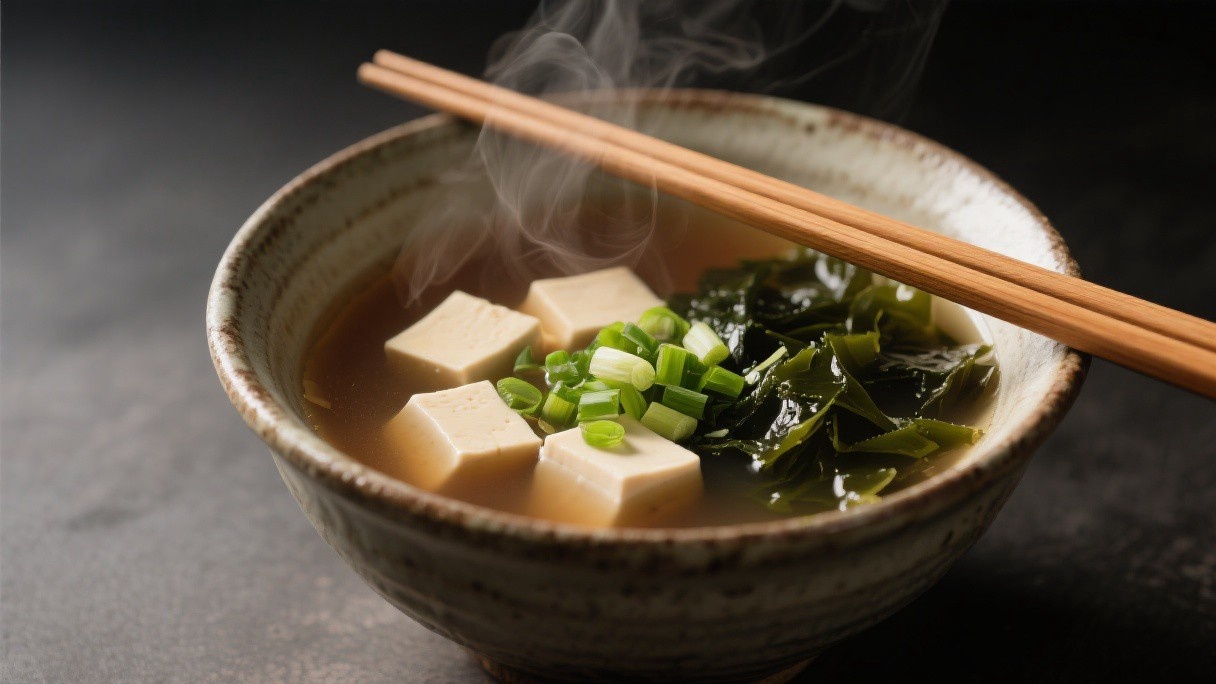
10 High-Protein Plant Based Foods That Keep You Full For 8 Hours
Nutrition
|
February 15, 2026
A lot of people try plant-based eating by building meals around lettuce, cucumber, and a handful of nuts, then wonder why they are hungry again before the coffee gets cold. Staying full is usually less about eating more volume and more about building meals with enough protein, fiber, fat, and texture actually to hold you through a normal day.
What Actually Makes A Plant-Based Meal Filling
The people who do well with plant-based eating usually stop chasing the idea of a light meal pretty quickly. What works better is a meal with substance, something warm, chewy, creamy, or hearty enough that it feels complete instead of decorative.
Fullness Usually Comes From More Than One Ingredient
A good plant-based meal rarely depends on a single ingredient. Lentils on their own are useful, but lentils with rice, olive oil, and cooked vegetables go much further. Tofu is fine on its own, but tofu with toast, avocado, and greens feels like a proper breakfast.
Most People Transition By Repeating A Few Reliable Meals
That is the easier path. Start with one breakfast, one lunch, and one dinner that you actually enjoy, then repeat them until they feel normal. You do not need a brand-new recipe every night. You need a few foods that consistently leave you satisfied.
1. Lentils
Lentils are one of the best plant-based protein sources because they are cheap, quick, and easy to use in everyday cooking. They also keep you full in a way that feels steady rather than heavy.
Best Way To Use Them
Red lentils are perfect for soups, stews, and dal because they break down quickly. Green and brown lentils hold their shape better, making them a good fit for grain bowls, salads, and taco-style fillings.
A very easy dinner is red lentil dal. Cook onion, garlic, and ginger in a little oil, then add a cup of red lentils, turmeric, cumin, salt, and about 2.5 cups of broth or water. Let it simmer until thick, then eat it with rice or flatbread.
2. Chickpeas
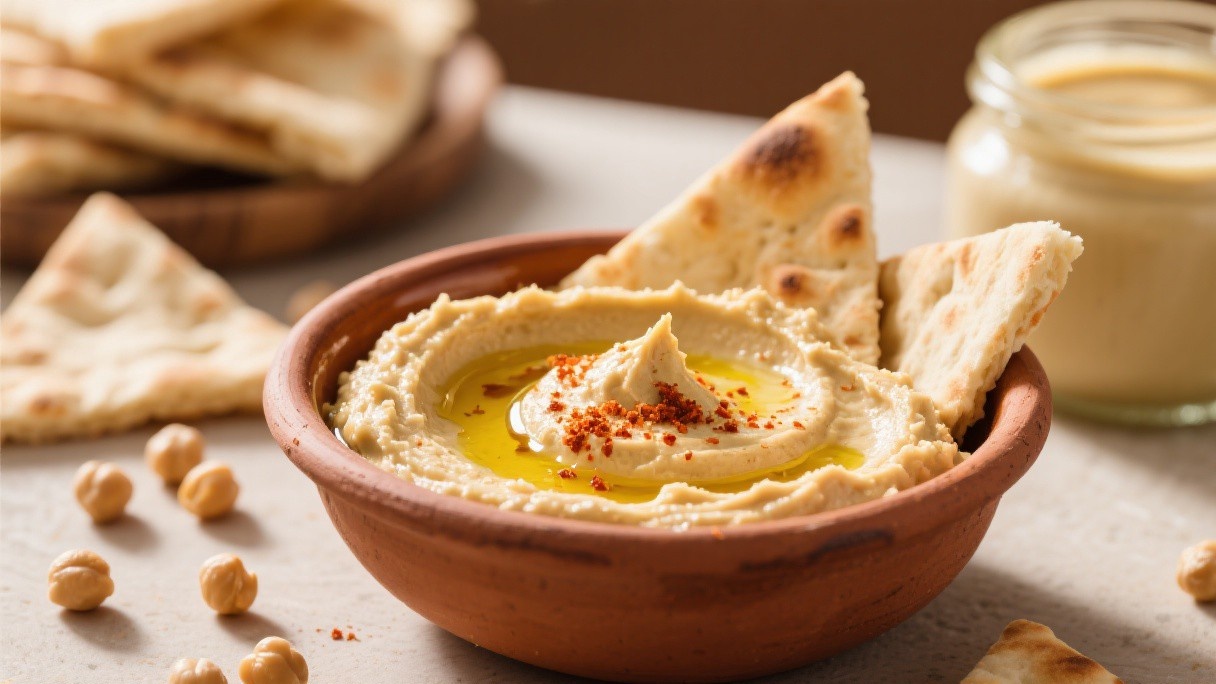
Chickpeas are one of the easiest foods to keep around because canned chickpeas are cheap, dried chickpeas are even cheaper, and they work in hot meals and cold lunches.
Best Way To Use Them
Mash chickpeas with mustard, chopped celery, a little vegan mayo, lemon juice, and black pepper for a sandwich filling. Roast them with olive oil and smoked paprika for something crisp. Add them to tomato sauces, curries, or grain bowls when a meal feels too light.
3. Black Beans
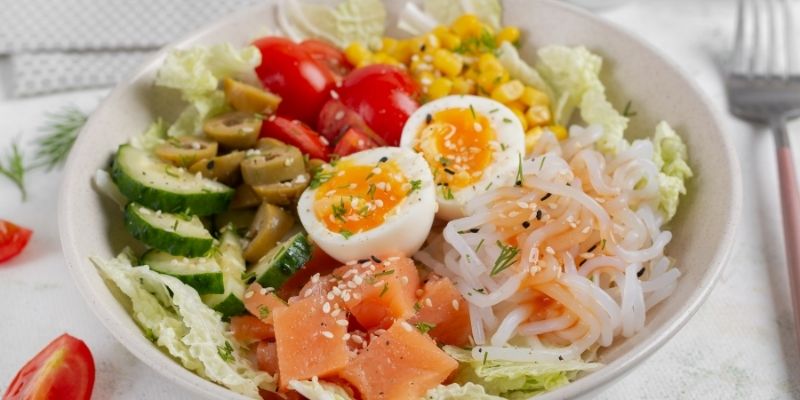
Black beans are one of the fastest ways to make a meal feel complete. They are especially useful on nights when you do not want to cook much but still want something that feels like dinner.
Best Way To Use Them
Warm black beans in a pan with garlic, cumin, lime juice, and a spoonful of olive oil. Put them in a tortilla with avocado and greens, or spoon them over rice with salsa. If you want more texture, add roasted corn or chopped pumpkin seeds on top.
4. Tofu
Tofu is mostly called boring by people who have only eaten watery tofu dropped straight into a pan. Once you press it and season it properly, it becomes one of the most useful foods in a high-protein vegan diet.
Best Way To Use Them
Press extra-firm tofu for at least 15 to 20 minutes. Then cube it and pan-fry it, or crumble it for a scramble. A quick breakfast version is crumbled tofu cooked with nutritional yeast, turmeric, salt, pepper, spinach, and mushrooms. Put it on toast, and it holds you much better than fruit alone ever will.
5. Tempeh
Tempeh has more chew and more weight than tofu, which is why many people find it more satisfying once they get used to its flavor.
Best Way To Use Them
Steam tempeh for ten minutes first if it tastes too bitter. Then slice or crumble it and cook it with soy sauce, maple syrup, garlic, and smoked paprika. It works well in noodle bowls, wraps, or pasta sauces. It is one of the easiest ways to make vegan protein recipes feel less soft.
6. Edamame
Edamame is one of the best freezer staples for plant-based eating because it needs almost no effort. It is also one of the few snacks that can actually bridge the gap between lunch and dinner.
Best Way To Use Them
Keep shelled edamame in the freezer and throw it into stir-fries, fried rice, soups, or grain bowls. You can also microwave it, salt it, and eat it plain. If you often get hungry around four in the afternoon, this is far more useful than crackers.

7. Quinoa
Quinoa isn't the cheapest grain everywhere, but it earns its place when you want a base that adds more protein than rice or couscous.
Best Way To Use Them
Cook a batch at the start of the week and use it under roasted vegetables, beans, tofu, or tahini dressing. If quinoa is too expensive where you live, brown rice, bulgur, or farro can do a similar job. The point is having a grain that adds chew and support to the meal.
8. Hemp Seeds
Hemp seeds are one of the easiest ways to quietly increase protein without changing the meal much. They are especially useful when a breakfast or lunch seems healthy but still feels weak.
Best Way To Use Them
Sprinkle hemp seeds into oatmeal, smoothies, yogurt bowls, soups, or salads. They blend in easily and add both protein and healthy fat. A few spoonfuls can make a basic breakfast feel far more stable.
9. Pumpkin Seeds
Pumpkin seeds do something that many plant-based meals need badly: they add crunch. That matters more than people think, because texture is often what keeps a meal from feeling flat and repetitive.
Best Way To Use Them
Use roasted pumpkin seeds on soups, pasta, grain bowls, or salads. They are also good blended into sauces or eaten as part of a snack mix. If you meal-prep lunches, keeping a jar nearby helps you fix bland bowls fast.
10. Seitan
Seitan is probably the closest thing to a meat-like texture in plant-based cooking. It is dense, chewy, and very filling, which makes it useful for anyone who misses that kind of bite.
Best Way To Use Them
Slice seitan thin and sear it in a hot pan. It works well in sandwiches, wraps, stir-fries, or rice bowls. If gluten is not an issue for you, it is one of the most efficient ways to add serious protein without needing a huge portion.
Keep It Flexible, Not Perfect
If tempeh is expensive where you live, use tofu more often. If quinoa is hard to find, use brown rice. If seitan does not work for your body, skip it and lean harder on beans and soy. The goal is not to build the perfect plant-based identity. It is to make filling vegan meals that you will actually cook again next week.
Start with the food that feels easiest, not the one that sounds most impressive. A pot of lentils, a tofu scramble, or black bean wraps is more useful than an ambitious recipe you only make once. Once a few meals become automatic, plant-based eating stops feeling like a project and starts feeling like dinner.