Beyond Basic: Exploring the Diverse World of Authentic Hummus
Recipe
|
March 13, 2026
Understanding Basic opens up a world of culinary possibilities that most home cooks never explore. The difference between average results and exceptional ones comes down to a handful of key techniques, the right ingredients, and a willingness to practice. This guide covers everything you need to know to get started and improve with each attempt.
The Chickpea Question
Dried chickpeas, soaked overnight and cooked until falling apart, produce superior hummus to canned. The cooking liquid (aquafaba) is liquid gold—save it for thinning the hummus and achieving that perfect consistency. If using canned, warm them gently in their liquid before blending for smoother results.
Tahini Selection
Not all tahini is created equal. Look for brands made from Ethiopian sesame seeds, which have a milder, nuttier flavor. The tahini should be pourable, not thick and pasty. Quality tahini separates naturally; stir it well before using. The ratio of tahini to chickpeas varies by region—Israeli-style uses more tahini for a richer, creamier result.
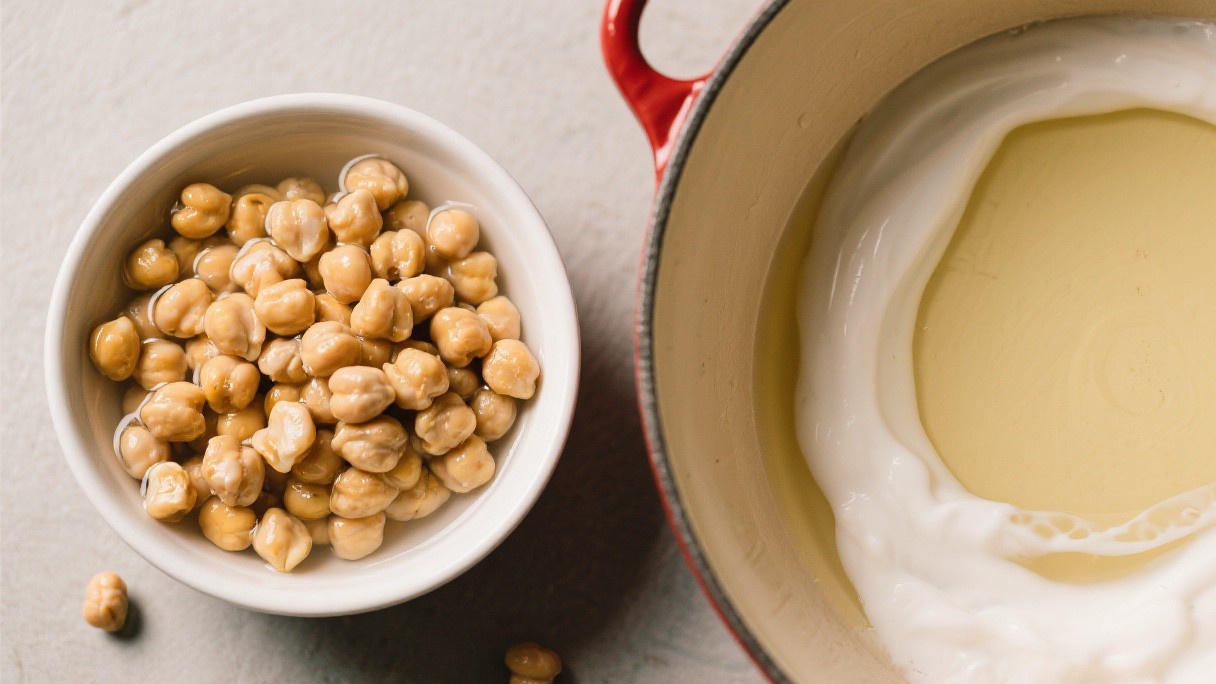
📷 Creamy hummus with olive oil
Achieving Silky Texture
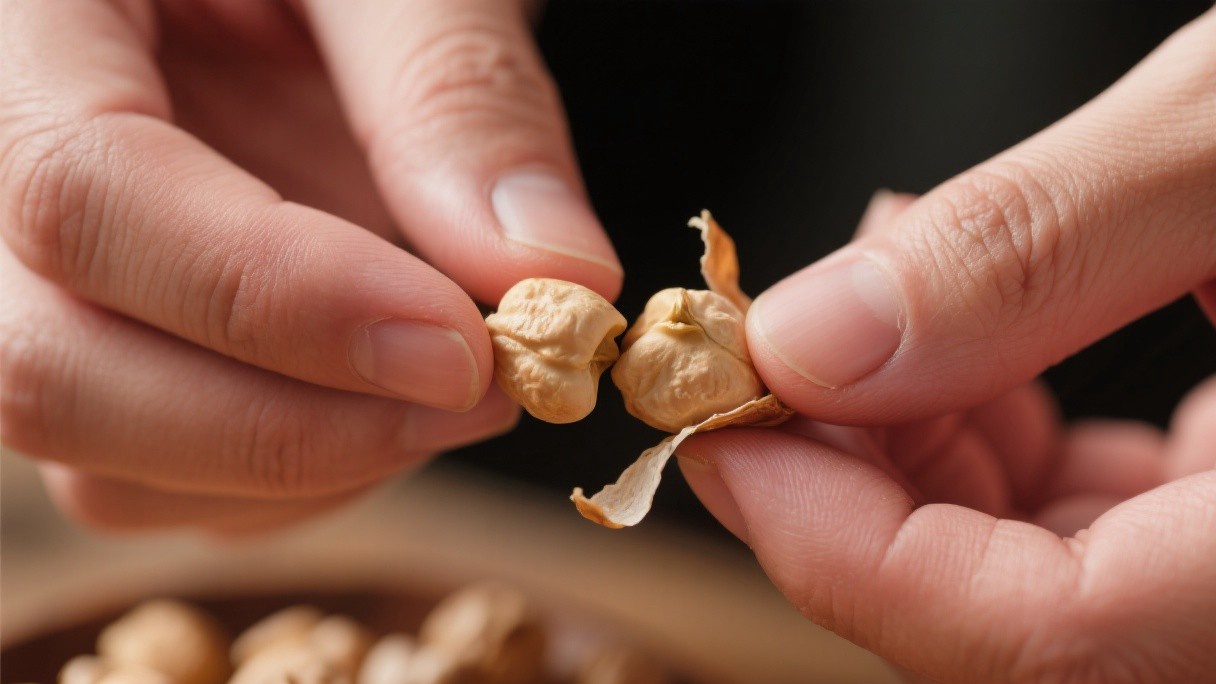
The secret to restaurant-smooth hummus is removing the chickpea skins. Pinch each chickpea between your fingers to slip off the skin—tedious but transformative. Alternatively, add baking soda to the cooking water, which helps break down the skins. Blend while the chickpeas are still warm for the smoothest results.
Regional Variations
Hummus masabacha features whole chickpeas mixed into the smooth base. Hummus ful adds fava beans for earthiness. Turkish-style includes more cumin and paprika. Each region puts its own spin on this ancient dish, proving that hummus is a canvas for creativity, not just a dip.
📷 Hummus serving presentation
Serve hummus warm, freshly made, with excellent olive oil drizzled over the top and warm pita on the side. This is how it's enjoyed across the Middle East—not cold from the refrigerator, but as a fresh, vibrant dish that demands to be eaten immediately.
The Role of Lemon and Garlic
Fresh lemon juice provides the bright acidity that balances the richness of tahini and chickpeas. The amount varies by preference, but most authentic recipes call for the juice of one to two lemons per can of chickpeas. Garlic should be used sparingly and ideally crushed to a paste with salt in a mortar before adding, which ensures even distribution and prevents raw garlic chunks.
Some variations substitute roasted garlic for a milder, sweeter profile that still delivers depth without overpowering the other ingredients.
Serving Traditions and Accompaniments
In the Middle East, hummus is never served cold straight from the refrigerator. It should be at room temperature or slightly warm, spread in a shallow plate with a generous well in the center filled with quality extra virgin olive oil. Warm pita bread is the traditional accompaniment, used to scoop rather than spread.
In Lebanon, hummus is often served as part of a mezze spread alongside falafel, tabbouleh, baba ganoush, and pickled turnips, creating a balanced array of flavors and textures.
Nutritional Benefits of Hummus
Hummus is not only delicious but also packs significant nutritional value. Chickpeas provide plant-based protein, dietary fiber, and complex carbohydrates that support stable blood sugar levels. Tahini contributes healthy monounsaturated fats, calcium, and iron. Olive oil adds heart-healthy fats and antioxidants. Lemon juice provides vitamin C, which enhances iron absorption from the chickpeas.
Regular consumption of hummus as part of a Mediterranean diet has been associated with improved cardiovascular health, better weight management, and reduced inflammation, making it as beneficial nutritionally as it is satisfying to eat.
Modern Hummus Trends and Innovations
The hummus landscape has expanded dramatically in recent years, with creative variations pushing beyond traditional boundaries. Roasted red pepper hummus adds smoky sweetness and vibrant color. Black bean hummus offers a striking dark purple alternative with a different nutritional profile. Chocolate hummus, made with chickpeas, cocoa, and maple syrup, has gained popularity as a healthier dessert dip. Savory innovations include everything hummus with bagel seasoning and everything-flavored crackers.
These modern variations demonstrate hummus's remarkable versatility as a base for culinary creativity.
Making Hummus in Large Batches
Preparing hummus in large quantities is more efficient than making small batches, as the process scales easily and the results improve with volume. A food processor with at least a seven-cup capacity handles a double or triple batch without difficulty. The key to consistent large-batch hummus is maintaining the same ratios used for smaller batches and processing longer to ensure complete smoothness.
Portion the finished hummus into containers, press plastic wrap directly onto the surface to prevent oxidation, and refrigerate for up to one week. Homemade hummus also freezes well for up to three months when properly sealed.
What Works for Success
Consistency is key when preparing this dish. Pay attention to temperature control, timing, and ingredient quality. Small adjustments can make a significant difference in the final result. Practice regularly and take notes on what works best for your specific conditions and preferences.
Final Tips
Authentic hummus improves with a day of resting in the refrigerator. The flavors meld and the texture becomes even smoother. Bring to room temperature before serving for the best taste experience.
Start with a classic basic hummus using canned chickpeas, then gradually explore regional variations as your confidence grows. The difference between store-bought and homemade is remarkable, and once you master the basic technique, you will find yourself making it weekly.