Molten Lava Cake Timing Precision: Mastering the Perfect Gooey Chocolate Center
Dessert
|
February 23, 2026
Mastering Molten Lava Cake Timing Precision at home brings a level of satisfaction that few other cooking projects can match. The process demands focus and care, but the reward is something genuinely special. Whether you are making your first attempt or refining a long-practiced technique, the principles in this guide will help you achieve better results.
The Science of Molten Centers
The molten center isn't undercooked—it's precisely cooked to the exact temperature where chocolate and butter melt but egg proteins haven't yet coagulated. That temperature window is narrow: around 130-140°F for the center versus 160°F+ for setting. Oven temperature and baking time must be calibrated to achieve this differential.
Temperature and Timing Relationship
At 425°F, lava cakes need just 12-13 minutes for a 6-8 ounce ramekin. At 400°F, 14-16 minutes. At 375°F, 18-20 minutes. The higher the temperature, the more dramatic the molten center but the greater the risk of complete cooking. Moderate temperatures provide more margin for error.
📷 Molten chocolate lava cake with flowing center
Ramekin Preparation
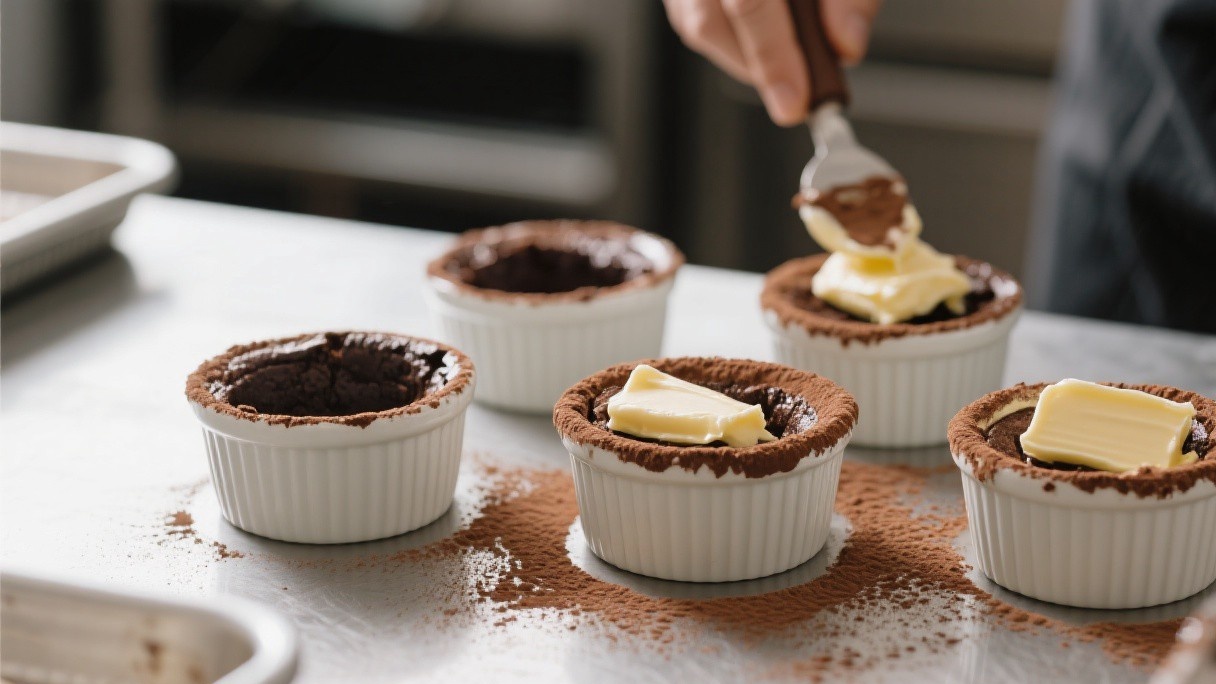
Generously butter ramekins, then dust with cocoa powder (not flour). This ensures easy release and no white residue on crust. The coating should be thick and visible—you want zero sticking. Refrigerate prepared ramekins until needed; cold butter solidifies, providing extra release insurance.
The Unmolding Moment
Let cakes rest 1 minute after removing from oven—internal pressure decreases slightly, making unmolding safer. Run a thin knife around edges, place plate on top, invert firmly but smoothly, and lift ramekin. If it doesn't release immediately, let it sit 30 seconds more. The cake should release cleanly, leaving empty ramekin.
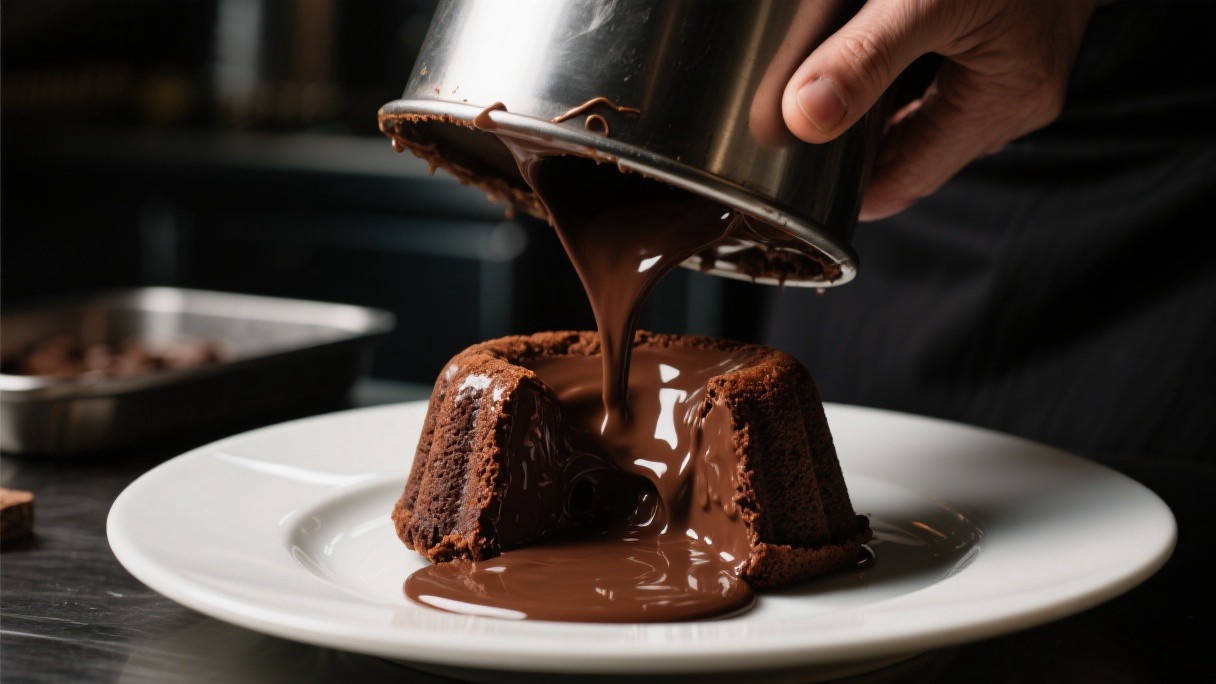
📷 Plated lava cake with ice cream
Serve immediately—lava cakes wait for no one. The molten center cools and sets within minutes. A scoop of vanilla ice cream alongside isn't optional; the temperature contrast is essential. Some restaurants use specialized molds with center wells; standard ramekins work perfectly with practice.
The Chocolate Collection
A selection of single-origin chocolates of single-origin chocolates, each with distinct flavor profiles. Some are fruity, others nutty or earthy. Tasting them side by side reveals how terroir affects cacao, much like wine grapes. This knowledge informs the hot chocolate creations.
Understanding the Science of the Molten Center
The molten center of a lava cake is not undercooked batter but rather a precisely timed transformation. The outer portion of the cake reaches a temperature high enough to set the egg proteins and form a firm structure, while the center remains below the coagulation threshold. This creates a shell of fully baked cake surrounding a core of warm, flowing chocolate.
The window for achieving this effect is remarkably narrow, typically just two to three minutes at the correct oven temperature, making accurate timing more critical than any other factor.
Preparation and Baking Tips
Preparing the ramekins properly ensures the cakes release cleanly and present beautifully. Generously butter each ramekin, then dust with cocoa powder, tapping out the excess. This coating creates a non-stick surface that also adds a subtle chocolate flavor to the exterior. The batter can be prepared several hours ahead and refrigerated in the ramekins, which actually improves the texture. When ready to bake, add three to four minutes to the baking time for refrigerated batter.
Always let the cakes rest for exactly one minute after removing from the oven before inverting onto plates.
Chocolate Quality and Melting Techniques
The quality of chocolate used in molten lava cake directly determines the quality of the molten center. High-percentage dark chocolate, between sixty and seventy percent cacao, provides the best balance of richness and sweetness. The chocolate should be melted gently using a double boiler or microwave in short bursts, stirring between each interval to prevent scorching. Burning the chocolate creates a grainy, bitter texture that cannot be fixed.
The melted chocolate should be smooth, glossy, and slightly warm when incorporated into the batter. Using chocolate bars rather than chips ensures a smoother melt, as chips contain stabilizers that affect the texture.
Molten Lava Cake Flavor Variations
The basic chocolate lava cake recipe lends itself to numerous flavor variations that keep the dessert exciting across different occasions. Adding a tablespoon of instant espresso powder to the batter intensifies the chocolate flavor without making it taste like coffee. A pinch of chili powder or cayenne creates a Mexican-inspired version with a subtle warming finish. White chocolate lava cake, using white chocolate in place of dark, provides a sweeter, creamier alternative.
Peanut butter can be swirled into the center before baking for a peanut butter chocolate cup variation. Each variation follows the same baking principles, with the critical factor being the precise timing.
Make-Ahead Strategy for Dinner Parties
Molten lava cake is remarkably impressive desserts to serve at a dinner party, and it can be almost entirely prepared in advance. The batter can be mixed and poured into prepared ramekins, then refrigerated for up to twenty-four hours. When guests are ready for dessert, transfer the cold ramekins directly to a hot oven, adding three to four minutes to the standard baking time.
This make-ahead approach eliminates the stress of preparing dessert while guests are waiting and ensures perfectly timed results. Having a few extra ramekins prepared allows for a second round if guests request it.
Set realistic expectations for your first attempt and focus on learning rather than perfection. The techniques described here are forgiving by nature, so even missteps produce edible results. With each repetition, your timing improves, your palate sharpens, and your confidence grows.